
Channel Catfish in Connecticut: Where to Find Them and How to Catch Them
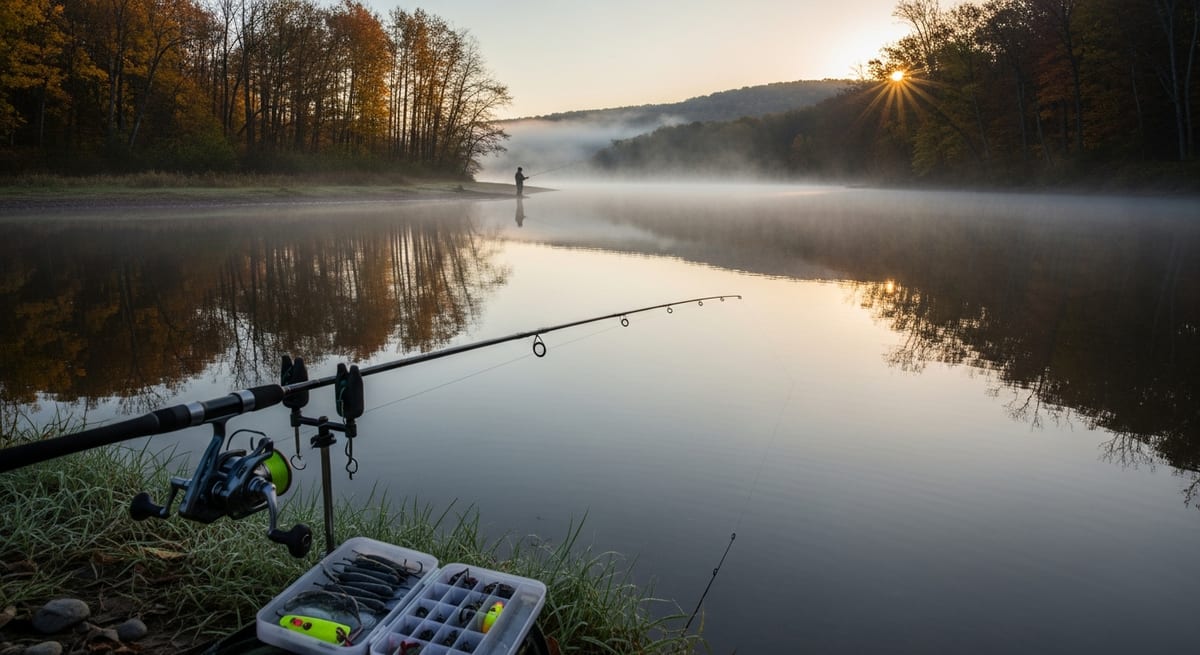
CT DEEP has been stocking channel catfish in the Connecticut River and select impoundments for over two decades, yet most Connecticut anglers have never deliberately targeted them. They're accessible, grow large, fight hard on the right tackle, and rank among the better-eating freshwater fish in the state. The population has naturalized in many areas, and fish are present year-round in the main river system. If you've never targeted catfish intentionally, you're leaving some of the easiest big-fish opportunities in freshwater on the table.
Where Channel Catfish Live in Connecticut
Channel catfish in Connecticut are concentrated in the Connecticut River system and a handful of larger impoundments with suitable deep, slow water and bottom structure.
Connecticut River: The most productive catfish water in the state. Channel cats are found throughout the river from the Massachusetts border south to the tidal zone below Hartford. The stretch from Hartford south toward Middletown is worth exploring, deep holes below riffles, bridge abutment structure, and slow pools below dams tend to hold fish. Public boat launches at Cromwell and Charter Oak Landing in Hartford offer reasonable access to the mid-river section.
Quinnipiac River: The lower Quinnipiac near Wallingford and Meriden holds channel catfish and some flathead catfish. The slow, deep sections below the industrial corridors, channel cats tolerate marginal water quality, produce well in summer.
Bantam Lake (Litchfield): CT DEEP has stocked channel cats here and the population has established well. One of the more consistent lake fisheries for catfish in western Connecticut.
Candlewood Lake: The state's largest lake has catfish in its deeper sections and around underwater structure from the former farm roads and buildings flooded when the lake was created in the 1920s. The deep water near the dam and along the old channel areas are worth targeting.
Lake Lillinonah (Housatonic River impoundment): The deep, slow water of this Housatonic impoundment supports catfish alongside its better-known striped bass and walleye fisheries.
Seasonal Patterns
Spring (May-June): Channel catfish typically spawn in late May to early June when water temperatures climb into the mid-70s°F. Pre-spawn fish are actively feeding and easiest to locate, look for them in moderate depth (8-15 feet) near cover: log jams, bridge pilings, undercut banks. The best big-fish action of the year often happens in this window.
Summer (July-August): Catfish go deep in the heat. Target the deepest holes available during daylight hours. Night fishing from shore produces well, cats move shallower to feed after dark. A lantern on the bank in still summer air is the classic catfishing setup for good reason.
Fall (September-October): Pre-winter feeding binge. Catfish feed aggressively before water temperatures drop below 55°F, and this is often the best time of year for numbers. They'll take almost any bait presented on the bottom. The feeding window narrows significantly once water drops below 50°F.
Winter: Catfish become largely inactive in cold water. Not impossible to catch through ice in Connecticut, but not productive enough to target deliberately unless you have a specific body of water in mind.
Tackle and Bait
Rod and reel setup:
- Rod: 7-8 ft medium-heavy to heavy action spinning or baitcaster
- Mainline: 20-40 lb braid
- Leader: 18-24 inch fluorocarbon or mono, 20-30 lb
- Hook: 1/0-4/0 circle hook, reduces gut-hooking significantly and makes releasing large fish cleaner
Catfish aren't line-shy, so go heavier than instinct says. You're fishing near structure and need to turn a fish before it wraps you around a submerged log.
Basic Carolina rig (standard for river catfishing): 1-3 oz egg sinker on the main line, barrel swivel, 18-24 inch leader to hook. The sliding sinker lets fish pick up the bait without feeling resistance.
Three-way rig (for strong current): Three-way swivel with a dropper to a heavy sinker on bottom and a main leader to the hook. Keeps bait in place in current without washing downstream.
Best baits:
Cut bait: Cut sections of bluegill, sucker, or white perch. Fresh is better. A 2-3 inch piece of oily freshwater fish is one of the most consistent producers.
Chicken liver: The classic, blood and scent release is very effective. Use bait elastic or mesh to keep it on the hook; it comes off easily without it.
Nightcrawlers: Reliable and convenient. Thread 2-3 worms on the hook, leaving tails to move in current. Not as strong a scent profile as cut bait but productive year-round.
Prepared dip baits / stink baits: Effective for channel cats but messy to work with. Products like Catfish Charlie or Magic Bait can be very productive in summer heat. Use a treble hook with a bait tube.
Regulations and Eating Quality
Regulations: Connecticut does not currently have a minimum size limit on channel catfish in most waters, and the daily bag limit in most waters is 10 fish, but verify current rules with the CT DEEP Inland Fisheries regulations booklet before heading out, as regulations vary by water body and change from year to year.
Eating quality: Channel catfish from clean water, which includes the Connecticut River's upper reaches, are excellent table fare. White, mild, firm-fleshed, and easy to fillet. The typical preparation is pan-fried in cornmeal or baked. Skinning is required (catfish have no scales). A good pair of pliers makes the job straightforward. Fish from warmer, more developed water may carry a slightly stronger flavor; a 24-hour soak in milk or salted water mellows it out.
Consumption advisories: Do not eat catfish from waters with posted consumption advisories. Check the CT DEEP annual fish consumption advisory before keeping fish. Some stretches of the lower Connecticut River and urban impoundments carry advisories based on PCB or mercury levels.
EVERY SATURDAY MORNING
Weekly fishing intelligence
Nationwide conditions, what's biting, and honest gear deals. One email, no noise.
No spam. Unsubscribe anytime.