
Anglers Booking CT Charters for the First Time Usually Pick the Wrong Boat. What's Running, Which Port, and What Month Matter More Than the Price.
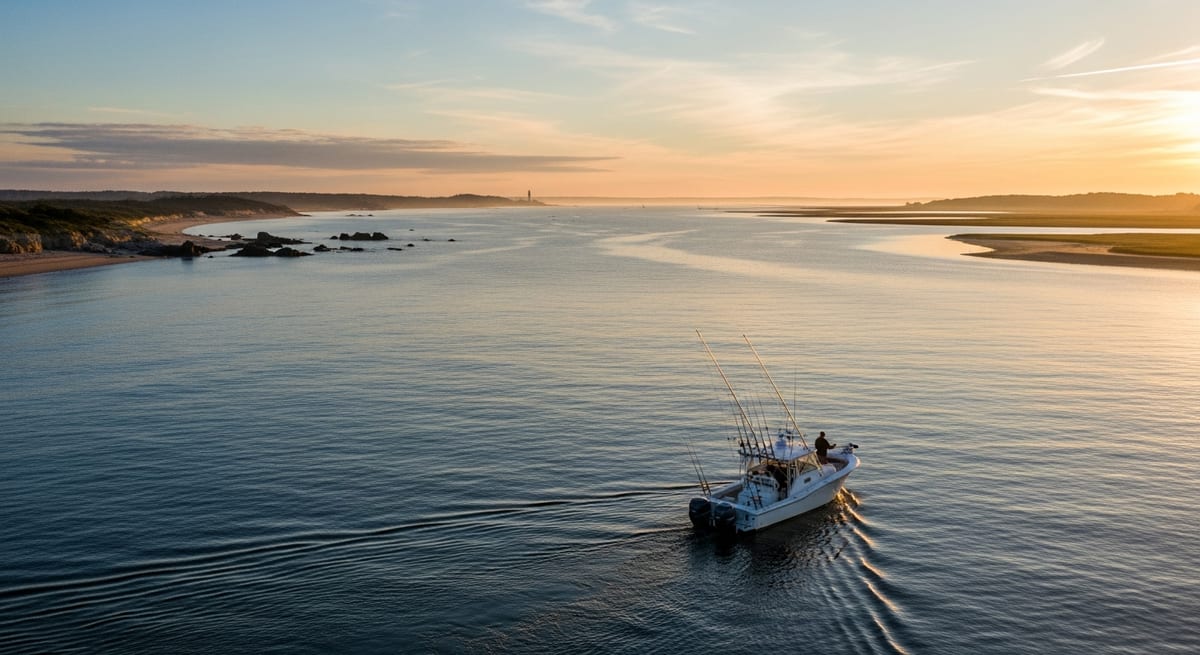
On a busy summer weekend, the party boats running out of eastern Connecticut's ports can put two hundred or more anglers on the water before sunrise, and on the right day, those boats regularly outfish private charters working the same grounds. Anglers who fish Long Island Sound across multiple seasons report that the choice between a party boat and a private charter shapes the day more than almost any other pre-trip decision, yet most first-timers base the call on price alone and never ask the question that actually changes the outcome: what species are running right now? The range of experiences captured across CTFISHERMAN.com trip reports and CT charter forums, from party boats with fifty strangers running out of Waterford to private charters targeting specific tides with small groups, makes one thing clear: these are two completely different trips, and which one fits depends on the month, the group, and what's in the water.
Party Boat or Private Charter: The Call That Sets Your Whole Day
Private charters: You book the whole boat for your group (typically up to 6 passengers). The captain works for you. You can push toward specific species, adjust depth, change locations mid-trip, and stay on a mark that's producing. Half-day trips (4-5 hours) appear in the $500 to $1,200-plus range based on current CT operator listings, though pricing shifts with diesel and seasonal demand, call and confirm before you budget around a specific figure.
Party boats (open boats): You pay per person and share the boat with anywhere from 15 to 40 other anglers on a vessel built for volume, typically 40 to 80 feet. Most CT party boats have been running in the $50 to $90 per person range for a 5-hour trip, often with rods and bait included or available to rent at the dock, though rates have trended upward with fuel costs in recent seasons, verify current pricing before you book. You give up control, but those captains fish their marks hard every single day and know them cold.
The case for party boats: Party boats are consistently underrated by anglers who've never been on one. CTFISHERMAN.com trip reports from anglers introducing family members to saltwater fishing regularly note that a well-run party boat out of eastern CT can produce more action in five hours than a private charter running the same weekend, particularly for sea bass and bluefish when the marks are producing. If you're introducing someone to saltwater fishing or working with a tighter budget, a party boat is often the right call, not a fallback.
If you have a specific target, specific tides you want to fish, or a group with strong preferences, private is worth the premium.
Specialty trips also run seasonally: fly fishing guides for stripers on the Connecticut River in late summer, offshore runs for tuna when the season allows, and squid party boats in spring when the run is on. Worth searching by port if you have a specific goal.
Which Port You Launch From Changes What You'll Catch
Your home port puts you in range of completely different structure, bait concentrations, and species windows, and CT anglers who've fished across the state's ports are consistent about this distinction.
Groton / Waterford / Niantic / Stonington: Eastern CT has the highest density of charter and party boat operations in the state. The Race at the mouth of the Sound is accessible from here, as are deep-water wrecks that hold sea bass year-round. The Hel-Cat out of Waterford has operated as a Long Island Sound party boat for many years, check their current schedule directly before booking, as vessel operations and seasonal availability change.
Old Saybrook / Essex: Connecticut River mouth charters run hard for striped bass from June through September. The tide push out of the river creates current seams that concentrate fish, and the lower river flats off Old Saybrook are consistently noted in striper-focused trip reports for anglers targeting bass specifically.
Clinton / Westbrook / Old Lyme: Mid-coast access puts you in the central Sound, consistent ground for fluke, sea bass, and bluefish through the summer.
New Haven / Milford: Western Sound access with deeper channels that hold fish year-round. Party boat options have historically operated out of New Haven Harbor, search current listings before you commit.
Norwalk / Stamford / Greenwich: Short run times to NY-adjacent water. Practical for Fairfield County anglers who don't want to drive two hours to Groton.
Port tip: Eastern CT ports get you to better striper structure faster. For fluke all summer, mid-coast ports are consistently productive. If black sea bass on wrecks is the goal, go east.
When to Go, and What's Actually Running
May into early June: Fluke season opens, and striper activity builds as fish move through Long Island Sound. Some years the fishing develops early; other years it's June before things get consistent. Check recent trip reports before you book, anyone telling you May stripers are a lock is overselling it.
Squid shows up on party boats in late April into May and disappears fast when the water warms. If you want squid, watch the reports and move quickly.
July through August: Best consistent fluke fishing of the year, particularly in 20 to 40 feet of water over sandy bottom. Black sea bass are holding on wrecks and structure. Bluefish blitzes happen unpredictably, when they show, it's an intense, fast-moving bite, and the captains who fish the Sound daily are the first to know.
September into October: The angler consensus across CTFISHERMAN forums and eastern CT charter captain reports is clear, if you only book one CT charter all year, September or October is the window. Bass that have been feeding hard all summer are pushing through, and the stretch before they move south can produce the largest fish of the season.
Experienced CT Sound anglers who fish the fall window consistently, per long-running CTFISHERMAN planning threads, book around tide reports and baitfish movement rather than fixed calendar dates. The run is real but the timing shifts year to year.
Albacore and bonito are also in the mix in September, based on eastern CT captain reports and CTFISHERMAN trip threads from the 2024 and 2025 seasons. The window is short and weather-dependent, so if you want them, watch the reports and don't wait for a perfect forecast.
November through April: Most operations wind down. Tautog trips run on structure through the colder months for experienced anglers, good winter fishing, but not the right first trip for someone who's never been on a charter.
What to Pack, and What Trips Up First-Timers
Most CT charters provide rods, reels, and bait, verify when you book. Beyond the gear, bring:
Your CT Marine Recreational Fishing License: Many charters and party boats hold a blanket for-hire license that covers passengers, under Connecticut DEEP regulations, federally permitted for-hire vessels can cover their passengers for certain species. Ask specifically when you book whether passengers are covered for the target species and for which you may still need your own license. Don't assume it's included.
Motion sickness medication: Take Dramamine or meclizine the night before and again an hour before departure. The most common mistake among first-timers, per mate accounts and CTFISHERMAN trip-report threads, is skipping this entirely, by the time symptoms start on the water, it's too late for medication to help. Trip reports regularly note first-timers spending the back half of a trip on the stern rail staring at the horizon instead of fishing.
Sun protection: SPF 30+ sunscreen, polarized sunglasses, a hat with a real brim. You'll be out there longer than you expect, and the reflection off the Sound is brutal by midmorning.
A wind layer: Even in August, a 6 AM run to the grounds in 15 to 20 knots of morning breeze cuts through a t-shirt fast. Bring a windbreaker regardless of the forecast.
A cooler with plenty of ice: Private charters typically return your catch cleaned or whole, ask the captain which when you book and plan your cooler size accordingly. Party boats generally allow passengers to keep their catch as well.
Food and water: More than you think. Most charter boats don't sell food, and a five-hour trip with sun and salt air burns energy faster than a day at a desk.
Booking the Trip. The Calls Worth Making Before You Pay
Where to look: CT DEEP maintains a for-hire vessel listing through the state's fishing portal, search "CT DEEP for-hire vessels" at ct.gov/deep and confirm the current URL before you arrive, as state portals reorganize periodically. CTFISHERMAN.com forums have years of firsthand trip reports and captain reviews from actual CT anglers. Search by port first, then by species.
What to ask the captain before you book:
- What's running right now, honestly?
- What are we targeting and how, live bait, cut bait, jigs, bucktails?
- What's your weather cancellation policy?
- Do you clean fish, and do passengers keep the catch?
A good captain will answer all of these straight. If someone dodges the "what's running" question, look for another boat.
Deposits and cancellations: Private charters typically ask for 25-50% upfront. Get the cancellation policy in writing, especially for weather. Party boats often take walk-ons the morning of if spots are still open.
On tipping: A good mate works the whole trip, filleting fish, baiting hooks, clearing tangles, keeping the deck safe when it rolls. On a private charter, most mates expect something in the range of 15-20% of the trip cost, though what you give should reflect what you actually got. On a party boat, $10-$20 per angler to the mate at the end is considered standard courtesy. Not mandatory, but mates remember.
Compiled from CT charter captain reports, CTFISHERMAN.com trip-report threads, and CT DEEP for-hire vessel data.
EVERY SATURDAY MORNING
Weekly fishing intelligence
Nationwide conditions, what's biting, and honest gear deals. One email, no noise.
No spam. Unsubscribe anytime.