
Hammonasset Point, Rocky Neck, and Fort Trumbull Are the Shore Entries CT Anglers Recommend First, what CT DEEP Public Access Points, Seasonal Timing, and the Long Island Sound Shore Community Report About Getting Started on Connecticut's Estuary
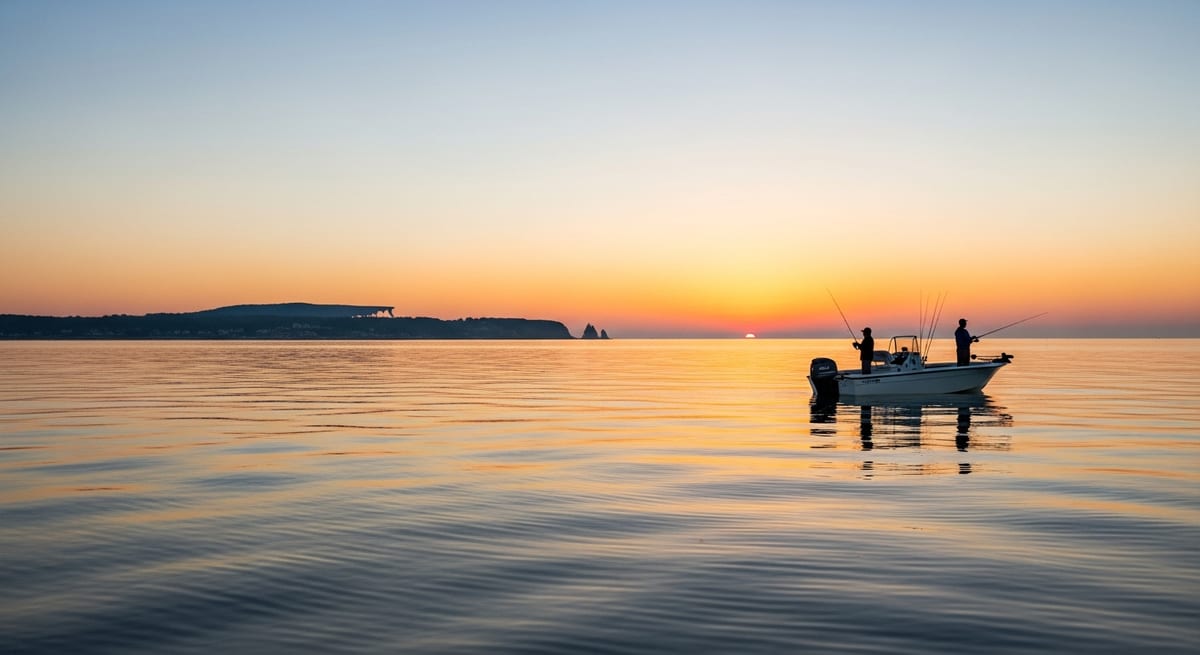
Shore anglers at Hammonasset Beach State Park report that striped bass follow baitfish onto the eastern point on outgoing tides in May, and that the same access point producing bluefish in July holds tautog-holding structure within kayak range come October. Long Island Sound compresses an unusual range of species and seasonal windows into a relatively short coastline, and the anglers who get consistent results from shore are typically the ones who have mapped public access points to tidal cycles rather than chasing species without a plan. CT DEEP's public marine access inventory lists dozens of legal shore entry points along the Connecticut coast. The community of regulars at those spots, from the Niantic River jetty to the Branford town pier, has developed a clear picture of which access points produce which species at which times of year. What follows draws on that community knowledge, CT DEEP regulation summaries, and public access data to help new anglers find their footing on the Sound.
The Sound's Two Halves and Why the Gradient Changes Everything
Long Island Sound runs roughly 110 miles east to west, with Connecticut along the northern shore and Long Island to the south. The eastern end, from the Connecticut River mouth toward the Race, is deeper, saltier, and more influenced by cold open-ocean water. The western end, from New Haven toward Greenwich, is shallower, warmer through summer, and receives more freshwater input from rivers including the Housatonic.
This east-west gradient shapes species distribution in ways that matter for access planning. Fluke concentrate in the eastern half of the Sound, where the bottom runs sandier and water clarity is generally higher. Tautog hold on rocky structure throughout the Sound but are particularly dense around the reefs and boulder fields off Norwalk and the Branford shoreline. Striped bass and bluefish move through the entire Sound during migration but stack in rips and current breaks at either end.
Tides drive almost all of the feeding activity CT shore anglers describe. Moving water, incoming or outgoing, pushes bait into predictable locations and triggers strikes. Slack tide, the brief window when current direction reverses, is widely reported as the slowest fishing period of the cycle. Anglers fishing the Hammonasset point consistently note that active feeding tracks the strongest tidal phase, not simply the time of day.
CT DEEP Public Shore Access: Where the Community Points New Anglers
CT DEEP maintains a public marine access inventory at portal.ct.gov/DEEP listing boat launches, shore fishing areas, and public waterway access points by town. Several shore points have a consistent track record in the community.
Hammonasset Beach State Park (Madison): Connecticut's largest public shoreline park, with a dedicated fishing area separated from the swimming beach. The point on the park's eastern end creates a natural rip where tidal current concentrates stripers and bluefish. Community regulars rate it among the most consistent spring and fall spots accessible without a boat, walk-in access, public parking, and a shallow flat that holds baitfish through summer.
Rocky Neck State Park (Niantic): Sandy surf beach with jetty access near the Niantic River inlet. Anglers here report fluke on the sandy bottom adjacent to the jetty and small stripers working the inlet current on outgoing tides through summer.
Fort Trumbull State Park (New London): Located where the Thames River meets the Sound. Shore anglers report consistent striper access from the bank, particularly after rain events push baitfish downriver. Public parking and walk-in access.
Branford and Guilford town piers and launches: Multiple public access points in this stretch reach rocky structure and shallow flats. The Branford area holds tautog around submerged boulders through much of the open season.
Access to private shoreline is not legal in Connecticut regardless of how it is reached. CT DEEP's public access inventory removes that ambiguity entirely.
Which Species Are Catchable From Shore and When
Spring (April-June): Striped bass are the primary target. The migration from the Chesapeake follows bunker (menhaden) schools north through the Sound, typically reaching Connecticut waters in late April and peaking through May. Shore anglers at Hammonasset and Rocky Neck report that soft plastic eels, bucktail jigs in white or chartreuse, and live sandworms produce fish during this window. Tautog fishing around rocky structure is productive all spring.
Summer (June-August): Bluefish arrive and provide fast, consistent action. They take most lures and fight hard, making them well-suited to anglers learning to read current and structure. Fluke (summer flounder) feed actively on sandy bottoms in the eastern Sound; the community around Niantic and the Branford shore targets them on moving tides. Small stripers hold in harbors and river mouths through the warmer months.
Fall (September-November): Widely reported by the CT shore community as the highest-quality window of the year. Striped bass and bluefish pushing peanut bunker to the surface produce blitzes that are visible from shore and castable with light tackle. Big stripers are more regularly caught from the beach in fall than at any other time. Black sea bass appear around rocky structure in October and November as water temperatures drop into the 55-60°F range.
Water temperature is a more reliable timing trigger than calendar date for most species transitions. CT DEEP's online fishing report archive and community threads on Connecticut fishing forums document historical temperature thresholds for each species' arrival and departure.
What Shore Anglers at These Spots Actually Carry
The gear setup described by CT Sound regulars for shore fishing is consistent across most public access points: a medium-heavy spinning rod in the 7-9 foot range paired with a 4000-5000 size reel. Most anglers fishing the surf and jetties spool with 20-30 lb braid and carry fluorocarbon leaders in the 15-20 lb range for most presentations, heavier around structure where tautog are the target.
For lures, the community consensus from forums and local reports centers on a practical short list: 3/4 oz to 1.5 oz bucktail jigs in white or chartreuse, 4-6 inch soft plastic jerkbaits on weighted hooks, 1-1.5 oz metal jigs for bluefish and blitzing stripers, and surface plugs for fall blitz situations. Anglers who target tautog typically add a shorter, heavier-action rod: 6-7 feet, paired with green crabs or hermit crabs as bait.
For bait fishing, sandworms and bloodworms are reported to produce across species, from small stripers to tautog. Bunker (menhaden) chunks are the standard choice when large stripers are the target. Tautog anglers specifically note that menhaden does not work for tog, green crabs, fiddler crabs, and hermit crabs are what the community reaches for.
For anglers targeting fluke from shore, a simple bottom rig with a 4-5 inch white or chartreuse soft bait on a jig head, bounced along a sandy bottom on moving tide, is the setup most commonly described by anglers fishing the eastern Sound.
Current CT DEEP Regulations and Shore Safety Notes
Connecticut saltwater regulations follow ASMFC management guidelines and are revised each year. As of the 2024 season, striped bass in CT state waters were subject to a 28-35 inch slot limit with a one-fish-per-day bag limit, confirm current limits at portal.ct.gov/DEEP before fishing, as these regulations have changed in recent years and are subject to mid-season emergency amendment. Bluefish had a three-fish daily bag limit as of recent seasons. Fluke (summer flounder) required a 12-inch minimum with a five-fish bag limit in CT state waters, though specific numbers vary by year and regulatory review.
A Connecticut Marine Fishing License is required for anglers 16 and over. Licenses are available through the CT DEEP online licensing portal at portal.ct.gov/DEEP, at licensed bait and tackle shops, and at DEEP offices.
Safety notes the shore community consistently raises: tidal currents near river mouths and inlets run stronger than they appear from the bank. The Niantic River inlet and the Thames mouth both carry significant flow on a dropping tide. Jetty fishing in low light, which overlaps with some of the best feeding windows, requires careful footing; felt-soled wading boots or grippers are commonly used by anglers fishing the Hammonasset rocks and the Rocky Neck jetty. Weather on Long Island Sound can shift quickly, and wind forecasts for the Sound itself tend to run higher than onshore readings suggest.
EVERY SATURDAY MORNING
Weekly fishing intelligence
Nationwide conditions, what's biting, and honest gear deals. One email, no noise.
No spam. Unsubscribe anytime.