
Why CT Anglers Who Fish Only Stripers or Albies Miss Half the Long Island Sound Season, shore Reports From Milford to Stonington and CT DEEP Seasonal Data Reveal a Six-Species Calendar That Runs April Through November
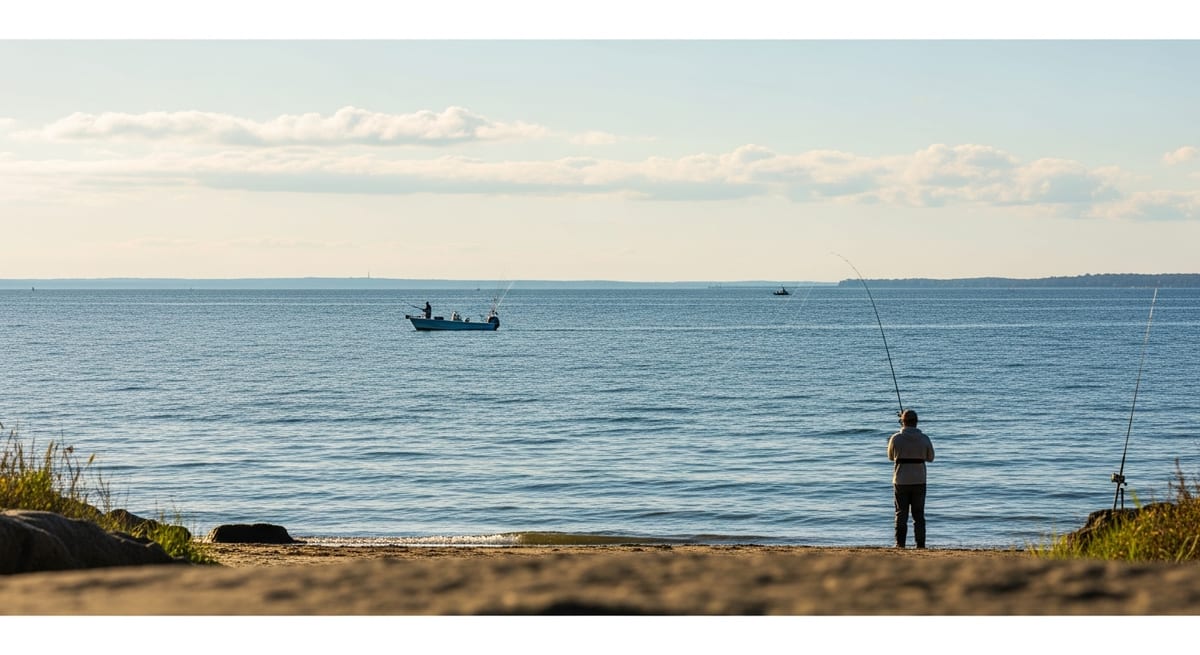
Anglers fishing the Housatonic River mouth in late April consistently pick up Connecticut's first migrating striped bass several days before reports surface from the Race at the eastern end of the Sound. A thermal gap that experienced LIS regulars track and use to decide where to open their season. Long Island Sound extends roughly 110 miles east to west, and that geography creates real species windows: western Sound warms first each spring, eastern Sound holds bait and fish deep into November. The full CT saltwater calendar runs six target species across eight months, from schoolie stripers off Milford in late April to tautog on rocky structure through November. Charter logs, CT DEEP creel surveys, and shore-angler reports from Hammonasset, Old Saybrook's North Jetty, and Stonington collectively describe a fishery that rewards anglers who track the full calendar, not just the striper and albie windows that draw the most attention.
What CT DEEP Data and Charter Logs Show About the Species Calendar
CT DEEP's annual saltwater survey reports and LIS charter fleet records point to a consistent seasonal sequence, even as individual windows shift by a week or two depending on water temperature and year-class strength:
Late April-May (water temp 50-58°F): Schoolie striped bass (14-24 inches) push into western Sound river mouths first. DEEP seine survey catch records show the Housatonic and lower Connecticut River as consistent early-season staging grounds. Larger fish follow in May. Bluefish appear by late May in most years.
June-August (water temp 65-75°F): Fluke fishing peaks in June and early July based on creel data and charter reports. Black sea bass are active on rocky structure throughout summer. Stripers largely move offshore or to deeper, cooler water during daylight; consistent shore reports from this window come almost exclusively from night sessions at bridge pilings and jetties.
September-November (water temp cooling from 65°F down to 50°F): Sound regulars widely describe fall as the most productive overall window. Stripers stage for their southern migration and feed heavily. False albacore typically show in eastern Sound first. The Race and Niantic Bay area, and peak in October. Tautog (blackfish) come into their best season on rocky structure as water drops below 60°F in October and November.
Striped Bass: What Sound Structure Regulars Do Differently
The consensus among CT shore anglers is that structure and tide timing matter more than lure selection for stripers on the Sound. Rocky points, jetties, river mouths, bridge pilings, and rip current areas where baitfish concentrate are the consistent producers. The Housatonic, Thames, and Connecticut River mouths hold staging fish during both the spring arrival and fall migration windows.
Historically, LIS produced stripers in the 40-50 pound class, and trophy fish are still caught most seasons. ASMFC's 2023 benchmark stock assessment indicated the stock remains below its biomass target, however, and most CT shore reports reflect that 18-28 inch fish make up the majority of the catch from accessible structure.
Tide timing: The last two hours of outgoing tide and the first two hours of incoming are the windows consistently flagged by Sound regulars as most productive. Moving current concentrates baitfish and positions stripers facing upstream in feeding mode.
Gear the shore community reports using: Medium-heavy spinning or conventional rod, 20-30 pound braid with a 25-30 pound fluorocarbon leader. Bucktail jigs (1-3 oz tipped with a plastic tail), swimming plugs (Bomber Long A, Yo-Zuri Crystal Minnow), and topwater in low-light conditions (Pencil Popper, Rapala Skitter Walk) are the lures that appear most frequently in CT shore-caster reports. For bait anglers, live eels at night and fresh bunker chunks on the outgoing tide are the most commonly described producers.
Bluefish, Fluke, and Black Sea Bass. The Overlooked Middle Season
Bluefish are LIS's most reliable daytime surface species from late May through September, and the community consensus is consistent: when blues are blitzing, they'll hit almost anything retrieved at speed. Wire leader (30-50 pound single-strand) or heavy fluorocarbon is the standard, bluefish cut through mono in a single bite. Metals (Deadly Dick, Kastmaster, Stingsilver) and surface poppers are the most commonly reported lures. Shore anglers in western Sound, milford, Bridgeport, New Haven harbor, log the most consistent blue reports from late May through September.
Fluke (summer flounder) are the most sought-after table fish from the CT coast. They hold on sandy and mixed-bottom in 15-50 feet and ambush prey from below. June and early July are the consistent creel-survey peak. The most widely reported technique is drifting a bucktail jig tipped with Gulp! Saltwater Minnow and a squid strip over sandy structure while following the current.
Black sea bass hold on rocky bottom, wrecks, and reefs in 20-80 feet. Squid or sea worms on a simple bottom rig are standard. Structure in eastern Sound, race Rock, the reefs off Stonington, appears consistently in CT boat-angler reports for this species.
Minimum size limits, bag limits, and season dates for all three species change annually and sometimes mid-season. Verify current rules at portal.ct.gov/DEEP before each outing, any figures from prior seasons may be out of date.
False Albacore. The October Window CT Shore Chasers Plan Around
False albacore arrive in Connecticut waters in late September, and eastern Sound gets them first. The Race, Watch Hill, and Niantic Bay are the consistent early-arrival locations in charter and shore reports most years, with fish moving west as October progresses. CT albie chasers describe the window as weeks-long at best, and shorter in some seasons, making it the highest-intensity fishing the Sound offers for those who time it correctly.
Albies in CT waters run 6-12 pounds on average and make multiple long, hard runs. The consensus among shore casters who target them regularly is that you need to have a cast in the water the moment a school breaks, blitzes appear and disappear in minutes.
Finding fish: Watch for tight surface activity in open water, often over peanut bunker, silversides, or bay anchovies. Birds diving on a fast-moving, quickly disappearing target is the characteristic signature most regulars describe.
Lures: Small, fast-retrieved metals (Deadly Dick, Crippled Herring, white or chrome epoxy jigs) and 2-3 inch soft plastics on a light jig head are the most commonly reported producers. The CT fly-fishing community that targets albies each fall consistently notes that leader-shy fish require dropping to 12-15 pound fluorocarbon, heavier leaders draw refusals when fish are pressured. Small Clouser Minnows and Surf Candy patterns in white and chartreuse are the most widely reported fly selections.
Shore Access Regulars Rely On, compo to Stonington
Shore access is one of LIS's underappreciated strengths. Regulars who fish the full length of the CT coast describe a consistent set of public access points that produce across multiple species:
Western Sound:
- Compo Beach / Westport jetty area: walk-able jetty structure; striper and bluefish reports throughout the season.
- Silver Sands State Park, Milford: a sand bar accessible at low tide gives shore anglers open-Sound access that most of this stretch doesn't offer.
- Lighthouse Point Park, New Haven: jetties and rocky shoreline; consistently noted in CT shore-caster reports for bluefish and fall stripers.
Central and Eastern Sound:
- Hammonasset Beach State Park / Meigs Point, Madison: rocky point access; the Meigs Point area appears in CT shore reports specifically for structure fishing on the incoming tide.
- Old Saybrook North Jetty: one of the most consistently mentioned striper staging spots in CT shore reports, particularly during the fall migration window.
- Connecticut River mouth (North Cove area, Old Saybrook/Lyme): staging stripers in spring and fall; accessible from bank access along the lower river.
- Stonington / Mystic area: eastern Sound access with productive tidal river structure for stripers and late-season tautog.
Many of the most productive spots are jetties and rock piles accessible on foot. Shore anglers familiar with the coast recommend walking structure at low tide first to identify footing and fish-holding features before targeting them at higher water.
CT DEEP Saltwater Regulations, what to Verify Before Each Season Opens
CT saltwater regulations for striped bass, fluke, black sea bass, tautog, and bluefish change annually and sometimes mid-season based on ASMFC stock assessments and federal framework adjustments. Minimum size limits, bag limits, and open-season dates in any article, including this one, can be superseded by current CT DEEP Marine Fisheries rules without notice.
The current regulations are published at portal.ct.gov/DEEP under Marine Fisheries. CT DEEP also issues in-season updates when ASMFC emergency measures require mid-year adjustments. The 2023-2024 striper seasons saw exactly this, with slot limits and possession numbers shifting based on the 2023 benchmark assessment that found the stock below its biomass target.
For any species with a minimum size or bag limit, treat the DEEP portal as the only authoritative source. Check it at the start of each species' season window, not just once in the spring.
EVERY SATURDAY MORNING
Weekly fishing intelligence
Nationwide conditions, what's biting, and honest gear deals. One email, no noise.
No spam. Unsubscribe anytime.