
CT Inshore Beginners Who Show Up at Niantic Bay or the Thames Jetty with Freshwater Gear Learn the Same Lesson Fast. What the Sound Fishing Community Reports About Building One Setup That Handles Stripers, Bluefish, and Fluke
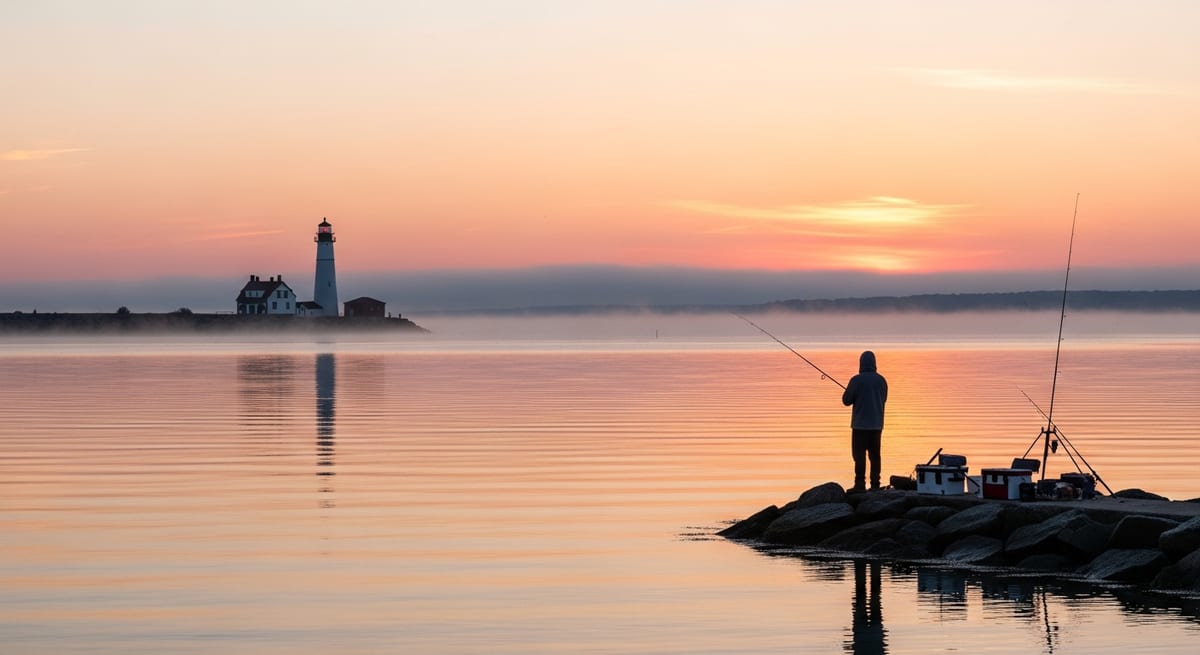
Anglers who fish the Thames River mouth or the rocky points around Niantic Bay for the first time typically discover the same thing: the freshwater spinning combo that handles Bantam or Candlewood fine starts corroding within a season of saltwater exposure, sometimes within a few weeks. The hardware pits, the drag takes on a gritty feel, and the reel that cost $80 becomes unreliable. That corrosion lesson is the most common entry point for inshore gear advice on CT fishing forums, and it points to the same core conclusion: the saltwater environment affects every component from reel internals to hooks and hardware, and the starting setup matters more than most beginners expect.
The One-Rod Setup CT Inshore Regulars Recommend to Beginners
Anglers fishing CT's accessible inshore spots. The New Haven Harbor breakwall, the Niantic River mouth, jetty access along the Thames, and the Housatonic estuary at Milford, consistently report that a 7-7.5 foot medium-heavy spinning rod in the 10-25 lb line class paired with a 4000-5000 size spinning reel covers the majority of situations. That combination handles jigging for fluke off sandy bottom, casting metal for bluefish when fish are busting bait in the Sound, and working soft plastics along rocky structure for stripers.
Reels that appear repeatedly in CT inshore community recommendations:
- Shimano Stradic FL 5000: Widely cited in LIS inshore communities at approximately $150 street price (prices vary; verify current retail before purchasing). Saltwater-resistant internals and a smooth drag that CT inshore regulars consistently describe as holding up to multi-season use.
- Daiwa BG 4000 or 5000: At roughly $70-$90 street price, the BG appears in more CT beginner gear threads than nearly any other reel at its price tier. The drag handles the burst runs bluefish are known for in the Sound.
- Penn Battle III 4000 or 5000: Full metal body, approximately $80-$110. A common recommendation from CT anglers who prioritize durability over weight savings.
What the community warns against: Running a freshwater reel in saltwater, even briefly. Unsealed drag systems absorb salt with every wave splash; the degradation is fast and often irreversible. The consistent recommendation across CT inshore forums is saltwater-rated or sealed-drag reels only.
Maintenance: Rinse every reel with fresh water after every outing. Release the drag fully for storage, drag washers develop memory under constant compression. Anglers who report multi-year life from their BGs and Battles attribute it almost entirely to the rinse habit.
Line and Leader Setup for Long Island Sound Conditions
Main line: 20-30 lb braided line is the inshore CT standard. Braid has become the default on the Sound, no stretch means direct hooksets, the thin diameter casts farther than equivalent-strength mono, and the abrasion resistance holds up on the rocky mussel bars and jetty structure common at spots like the Thames walls and New Haven Harbor.
Leader: Fluorocarbon leaders are the near-universal recommendation among CT inshore regulars, particularly given the clear water that characterizes LIS during summer. A 20-30 lb fluorocarbon leader, 18-36 inches long, provides abrasion resistance at the hook end while staying far less visible than braid in clear conditions.
For bluefish specifically, which typically arrive in CT inshore waters by mid-May and remain through early October. Anglers targeting adult fish bump to 40-50 lb fluorocarbon or add a short section of heavy mono above the hook. Blues have serrated teeth that cut lighter material mid-retrieve without warning. This matters most at high-current spots like the Race and the Sluiceway, where large adult blues concentrate around summer bait pushes.
Leader connection: Double Uni or FG knot connecting braid to fluorocarbon. The FG produces a slimmer profile for casting distance; the Double Uni is faster to tie in low light or with cold hands on an October tide.
Terminal tackle: Stainless steel or coated hooks only (Owner, VMC, and Gamakatsu appear consistently in CT inshore bags). Brass or stainless swivels (Spro). Budget hardware corrodes after a single outing and often fails at the worst moment.
CT Seasonal Windows and the Lure Categories That Cover Them
Understanding which species are actually present at any point in the CT season changes which lures belong in the bag.
Striped bass move into CT river mouths and coastal structure in earnest through May and June. The Housatonic mouth at Milford, the Thames estuary from New London, and the flats around Niantic Bay are established early-season staging areas the inshore community returns to annually. A fall run returns in September and October as fish push bait schools south along the coast.
Bluefish typically show in the Sound by mid-May and are generally reliable inshore through September, with large adults less predictable than juveniles (known locally as snappers). The Race and the Sluiceway, where LIS current concentrates bait, produce blues throughout the summer for anglers who can reach the water.
Fluke (summer flounder) are subject to CT DEEP seasonal regulations. The season opener, size limits, and bag limits change annually. Consult the current CT DEEP Marine Fisheries regulations at ct.gov/deep before the season opens. The mouth of the Connecticut River, Niantic Bay sand flats, and harbor approaches around New Haven are frequently mentioned fluke grounds in community reports.
Three lure categories CT inshore anglers carry across the season:
Bucktail jigs (1-3 oz), white or chartreuse: Mentioned consistently across CT inshore forums as versatile across all three target species. Bounce on the bottom for fluke; swim at mid-depth for stripers and blues. Durable and effective in the murky tidal outflows near river mouths.
Metal jigs (Kastmaster, Hopkins, Crippled Herring, 1-2 oz): Cast distance and sink rate make these effective when fish are holding in a rip or moving with current. Bluefish respond to a fast retrieve with pauses; the Kastmaster is a frequent mention among anglers fishing New Haven Harbor and the Thames jetty.
Soft plastic swimbaits (3-5 inch on 1-2 oz jighead): The Berkley Gulp! line, swimming Mullet, Saltwater Grub, uses scent and gets consistent recommendations for fluke in clear LIS conditions. Storm WildEye Swim Shads and Hogy soft baits are also common in CT inshore bags.
Pencil poppers and surface swimmers (Yo-Zuri Hydro Popper, Gibbs Pencil Popper) produce stripers along rocky beach access and jetty points at dawn and dusk. CT shore anglers describe incoming tides in low light as the most reliable window for topwater.
What CT Shore Anglers Add to Their Kit After the First Season
Long-nose pliers or dehooker: Bluefish have serrated teeth and will bite when handled carelessly. The advice from CT inshore communities is consistent: use pliers or a dedicated dehooker for every bluefish. Never reach bare fingers into a bluefish's mouth.
Lip gripper: Keeps larger stripers controlled during hook removal, reducing stress on the fish for release and protecting the angler from treble hooks when a fish thrashes.
Scale and measuring device: CT striper regulations follow federal ASMFC management guidelines, which have included slot limits and reduced possession limits in recent seasons. The specific rules change year to year, verify the current CT DEEP Marine Fisheries regulations at ct.gov/deep before your first trip. A bump board or flexible measuring tape is standard kit for anyone keeping fish.
Fillet knife and cooler: Bluefish degrade quickly without refrigeration. Anglers who keep fish report that gutting and icing immediately, rather than waiting until the end of a trip, makes a significant difference in meat quality.
Polarized glasses and sun protection: On open LIS water in summer, glare is relentless. Polarized lenses reduce glare and allow anglers to see fish and structure below the surface.
First aid kit: Hooks find fingers, and bluefish can cause serious lacerations. A basic kit, bandages, antiseptic, needle-nose pliers for hook removal, belongs in every inshore bag.
EVERY SATURDAY MORNING
Weekly fishing intelligence
Nationwide conditions, what's biting, and honest gear deals. One email, no noise.
No spam. Unsubscribe anytime.