
How to Catch More Crappie: Techniques, Timing, and Tackle
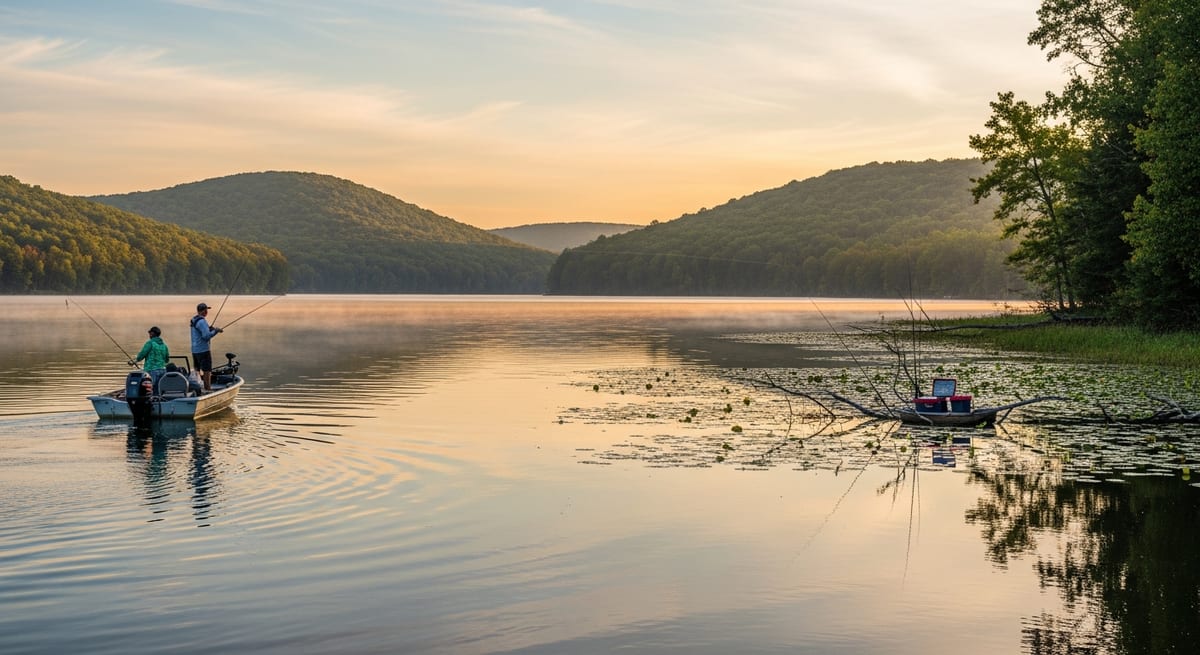
Crappie don't get the attention they deserve in Connecticut fishing circles. Most anglers are focused on bass, trout, or saltwater species. That's their loss. A 12-inch crappie on an ultralight spinning rod is a blast, a school of pre-spawn crappie stacked on a brush pile will produce 30-fish mornings, and crappie are genuinely excellent table fare. If you haven't targeted crappie specifically, this guide will change your approach to spring panfishing.
Black Crappie in Connecticut
Connecticut has black crappie populations in most larger lakes and reservoirs, along with some river backwaters and slow-moving impoundments. The Quabbin Reservoir watershed, Candlewood Lake, Lake Lillinonah, Moodus Reservoir, and numerous smaller lakes hold good crappie populations. Black crappie (the dominant species in CT) prefer clearer, less fertile water than their white crappie cousins and are commonly found around submerged timber, dock pilings, and aquatic vegetation.
Crappie are schooling fish, when you find one, you've almost certainly found many. A 30-fish morning is not uncommon during the pre-spawn period in April and May.
Seasonal Patterns
Spring (April-May): Pre-spawn crappie are the most predictable and accessible of the year. As water temperatures reach 55-65 degrees F, crappie move from deep winter holding areas into shallower water near spawning sites. In CT, this typically occurs in late April through May. Target 4-8 feet of water near submerged wood, dock pilings, and the edges of aquatic vegetation beds. Schools are dense and fish are aggressive. This is the best time of year for numbers.
Spawn (water temps 62-68 F): Crappie fan out slightly to nest in protected shallow areas. Fishing slows compared to pre-spawn but individual fish encountered are often the largest of the year.
Summer: Crappie move deeper and suspend at thermocline depths (often 12-20 feet). Target structure at these depths, submerged humps, creek channels, and timber at depth.
Fall: Second best period after spring. Crappie feed aggressively as water cools, putting on weight before winter. They often return to shallower depths in September and October.
Finding Crappie, key Structure
Submerged timber: Dead trees, fallen logs, and brush piles are crappie magnets. They provide shade, ambush positions, and concentrate small invertebrates crappie eat. Both natural deadfalls and artificially sunk brush piles hold fish.
Dock pilings and dock posts: Crappie use the structure and shade of docks year-round. Fish pilings with vertical presentations, drop a jig straight down alongside the piling rather than casting away from it.
Aquatic vegetation edges: Weed lines provide cover and feeding opportunities. Fish the outer edge of weed beds in spring and the interior pockets during spawning.
Shaded areas: Crappie are light-sensitive and actively seek shade. North-facing banks (shadowed in afternoon), overhanging trees, and floating dock platforms all concentrate crappie.
Best Crappie Tackle and Lures
Gear: Ultralight to light spinning rod (5'6" to 6'6"), 4-6 pound monofilament or fluorocarbon. Light line is critical, crappie in clear water will refuse heavier presentations. A quality spinning reel with a smooth drag prevents breaking the light line on energetic fish.
Small jigs (1/32 to 1/8 oz): Tube jigs, curly-tail jigs, and paddle-tail swimbaits in 1-2 inch sizes are the go-to crappie lures. Colors: white, chartreuse, pink, and natural baitfish colors. Crappie Magnet and Bobby Garland Baby Shad are classic crappie jig brands.
Small spinner in-line spinners: Mepps Aglia in size 0 and 1, Rooster Tail in smaller sizes. Good for covering water quickly when searching for schools.
Live minnows: In spring, small shiners (1-2 inch) under a bobber at 3-6 feet depth is the most natural presentation. Find a school and you'll catch fish consistently on live bait.
Vertical Jigging for Dock Crappie
Vertical jigging is the most efficient technique when you know where crappie are holding, typically along dock pilings, bridge supports, or over identified brush piles.
Approach quietly: Crappie spook easily, especially in clear water. Electric trolling motor, careful footsteps, avoid shadows on the water.
Drop a 1/16 oz tube jig or Crappie Magnet body on a 1/32 oz head straight down alongside the piling. Let it fall to the depth where fish are holding (visible on a fish finder, or based on where you caught the previous fish).
Slowly jig up and down with 4-6 inch movements. Crappie often hit on the fall, watch for line movement or slight pressure.
Once you've caught one fish, note the exact depth (how many feet of line out) and return to that depth immediately after releasing the fish. Schools hold at consistent depths, efficiency comes from getting back to the zone quickly.
Crappie as Table Fare
Crappie are genuinely excellent eating, mild white flesh, minimal bones, and fry up beautifully. The challenge is their size: even a large crappie (14+ inches) produces small fillets. You need numbers to make a meal, which is why spring when schools are dense is the traditional harvest time.
Processing: Fillet like any small fish. The fillets are thin, don't overcook them. Lightly breaded and pan-fried in butter or oil is the traditional preparation. Beer batter works well. Crappie don't hold well after death, keep a livewell or ice them immediately to maintain flesh quality.
Respect the resource: Crappie reproduce prolifically, but localized overharvest of spawning beds can deplete a lake's crappie population. Harvest conservatively in spring, especially from smaller lakes.
EVERY SATURDAY MORNING
Weekly fishing intelligence
Nationwide conditions, what's biting, and honest gear deals. One email, no noise.
No spam. Unsubscribe anytime.