
September Albies, October Stripers, November Tautog. The CT Fall Season Doesn't Wind Down. It Gets Better.
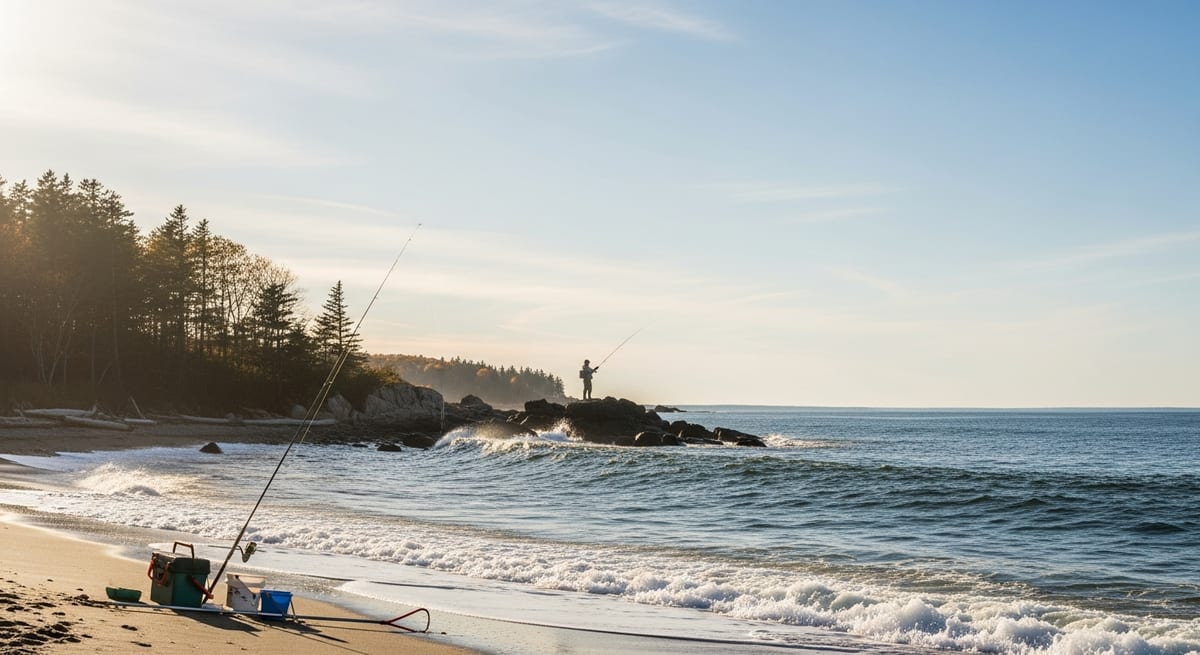
False albacore off Niantic Bay can show and disappear in under ten seconds. Anglers who work the September rips consistently report that the difference between a hookup and a blank cast comes down to having the right size jig already in the water before the school surfaces. Fall fishing on the Connecticut coast operates on short windows with intense peaks. Anglers who track the seasonal triggers, baitfish movement, water temperature, tidal staging, consistently find fish when those running a fixed calendar miss the window entirely. The timing matters more than the effort. CT's fall season doesn't unfold on a clean schedule. The albie window in September overlaps with quality striper fishing; the striper run peaks in October as tautog season hits its best weeks; by November the crowds have mostly quit and the fish haven't. The freshwater calendar runs alongside all of it, largemouth and smallmouth bass in fall feeding frenzies, yellow perch, and late-season trout. Anglers who work both salt and fresh through fall consistently find more opportunities than those who pick one and ignore the other.
The Baitfish Timing That Drives the Whole Fall Calendar
The fall bite in Connecticut isn't driven by air temperature. It's driven by baitfish. When bunker schools start pushing south through Long Island Sound and juvenile menhaden stack up in the shallower eastern sections, predators follow. Stripers, bluefish, false albacore: they're all reacting to the same food source. Find the bait and you find everything else.
Fish feed heavily as water temperatures drop not because the feeding is relaxed. They're responding to concentrated forage that won't be available all winter. The urgency is visible at the surface: anglers fishing rip edges and river mouths in October and November regularly report harder strikes and faster school turnover than anything summer produces.
Bunker, peanut bunker, bay anchovies, and sand eels move through Connecticut waters in fall. The reliable surface indicator is birds, gannets diving or terns stacked low on the water. Anglers who move quickly when birds appear consistently get into fish; the fishable window on a blitz often runs ten minutes or less before the school goes deep or moves on.
Water in the 58-68°F range is where most CT fall species are most active and most catchable. This window typically opens in late September and runs through mid-November, with significant year-to-year variation. CT DEEP tagging and creel data consistently show water temperature as the primary staging variable for stripers and tautog, in warm falls, keeper fish have been reported at the Connecticut River mouth into the second week of November; a cold snap in mid-October can push fish off shallow structure several weeks ahead of schedule. Watch the thermometer, not the calendar.
After Labor Day, fishing pressure drops sharply. Shore spots and jetties that are crowded through August fish well again from September onward. A pattern CT fishing regulars note year after year on public access points from New Haven east to Stonington.
September: The Albie Window (Don't Blink)
September is the most exciting month on the CT coast, and the false albacore are the reason.
False albacore (albies): Albies feed in visible surface explosions on schools of bay anchovies and small peanut bunker. Light tackle spinning gear with 1-1.5 oz metal jigs or small epoxy flies is the standard approach, fast retrieves, matching the size of what they're eating. Nearly all anglers release them; the flesh is dark and oily and generally not considered worth keeping. As fighters on light gear, they have few equals in New England inshore waters. Niantic Bay, Fishers Island Sound, and the rip off Watch Hill are the prime albie grounds. The window is notoriously compressed, in some years it opens and closes in under three weeks, particularly in warm Septembers when conditions shift quickly.
Stripers: September produces quality stripers throughout the coast. Anglers who fish the river mouths and rocky points consistently report early-morning surface feeds on breaking bait, with a shift to deeper structure as the sun rises. Night fishing with live eels is the preferred approach for larger fish, particularly around the Connecticut River mouth at Old Saybrook and Old Lyme. Note: striper size and slot regulations have shifted across recent ASMFC management cycles, check the current CT DEEP regulation booklet before keeping any fish, as printed guides often lag behind the current rules.
Freshwater bass: September bass fishing on CT lakes and rivers is excellent. Dropping water temperatures trigger schooling behavior, and bass stacking on shad or blueback herring along points and creek mouths can produce fast action. Candlewood Lake and the Housatonic River both fish well all month. Kayak anglers working the coves on Candlewood in September regularly report schooled largemouth in the 2-4 lb range that are aggressive on swimbaits and shallow cranks. A fishery that runs largely under the radar while saltwater anglers are chasing albies.
The October Convergence
This is the month when multiple species peak at the same time. Anglers who track fall runs in Connecticut consistently identify October as the highest-opportunity window of the year, multiple species at maximum fall weight, overlapping schedules, and pressure that dropped after Labor Day and hasn't recovered.
Striped bass: Mid-October through early November is the prime striper run in Connecticut. Keeper-size fish are abundant, with occasional 40-inch-plus fish mixed in. Bunker chunks, live eels, and large swimming plugs, sP Minnow, Bomber Long A, Darters, all produce. Points, rips, boulder fields, and river mouths concentrate fish. Charter captains working the Connecticut River mouth regularly cite it as a first-choice October striper location; the rocky structure around Stonington draws anglers from across the state for the October push.
Tautog (blackfish): The fall tautog season opens in September and peaks through October and November. Tautog feed heavily on green crabs, sand crabs, and mussels over rocky structure before retreating to deeper winter water. Rocky jetties, reefs, and wreck sites in eastern CT hold excellent numbers. CT DEEP tautog season dates shift year to year under ASMFC management, check the current regulation booklet before heading out, because the fall closure date moves and printed guides don't always reflect the current year. Regulars who fish both the spring and fall windows consistently report October fish running larger than their spring equivalents, particularly over deeper reef structure in eastern CT.
Largemouth and smallmouth bass: October bass fishing on freshwater rivals anything summer offers. Smallmouth on the Housatonic enter a serious fall feeding mode. Anglers working rocky shelves in 3-8 feet of water report consistent action on swimbaits and larger jigs through mid-month. Largemouth on reservoirs and ponds are targeting big meals before the water drops into the 40s. CT fishing regulars consistently note that late October produces the largest bass of the year, when fish are fattening up and less selective about presentation.
Bluefish: October brings large fall bluefish following bunker schools, regulars report fish that can reach 10-15 pounds in peak years, though average size typically runs in the 6-10 pound range. Trolling, chunking, and casting metal lures over blitzes all produce fast action. Bleed and ice them immediately and they're excellent table fare; handle them any other way and they're not.
November: After Everyone Else Goes Home
November is where the CT fall fishing calendar separates anglers who understand the season from those running a summer schedule that expired in September.
Conditions are often rough, cold mornings, short days, wet hands on the gunwale, but the fish are still working, crowds are genuinely gone, and November tends to produce the season's largest stripers and tautog. Anglers who commit to the November window routinely say they'd trade any August weekend for it.
Late-season stripers: November produces some of the biggest stripers of the year. Fish are at maximum fall weight and staging along migration routes heading south. The Connecticut and Thames Rivers hold big fish into November, and night fishing with bunker or herring chunks is the approach most regulars rely on for the largest fish. Anglers willing to go out on cold, northwest-wind nights fish with almost no competition, and find fish that are fully staged and actively feeding before the push south.
Tautog: November is the last productive window before fish retreat to deep water. As shallower areas cool, the best November tautog shift to structure in 20-40 feet. Check current CT DEEP regulations for the exact closure date before you go. It varies by year and management zone, and the fall closure can come earlier than anglers expect.
Perch and pickerel: November is excellent for yellow perch and chain pickerel on freshwater. Both species feed well in cold water and are underrated targets this time of year. Anglers who focus on yellow perch in November consistently note that heavy gear is the most common mistake, dropping to 4-6 lb fluorocarbon and a 1/16 oz jig produces markedly more bites once you locate a school. Perch jigging over rocky bottom with small jigs or live minnows is the reliable approach.
Cold-water trout: Stocked trout in CT rivers and streams that survived spring pressure are still in the system in fall. Stream temperatures in the 45-55°F range are ideal for brown trout feeding. Large brown trout enter fall spawning behavior and will take streamers and large spinners thrown with some aggression. The Salmon River holds fish into November with considerably less pressure than it sees in spring.
Where to Actually Be When It Happens
Saltwater:
- Connecticut River mouth (Old Saybrook/Old Lyme): The most reliable accessible striper and bluefish location in the state from September through November. Fish stage here on both tides chasing the baitfish push.
- Niantic Bay: False albacore in September; stripers and bluefish through October and November. The bay holds bait reliably and is accessible by kayak or small boat from the town ramp.
- Stonington/Watch Hill area: Consistently cited by CT tautog regulars as top eastern CT reef and rocky structure; also prime albie territory in September. The reefs and rocky bottom here hold fish through the entire fall season.
- New Haven harbor and outer breakwater: Accessible striper and bluefish location for anglers without boat access. The breakwater fishes well at night on chunk baits, and parking is manageable on weeknights.
Freshwater:
- Housatonic River: Among the most consistent fall smallmouth fisheries in the state, particularly in October. Anglers who work the river in fall regularly describe it as the best smallmouth water in Connecticut, and among the best in the Northeast for the October window.
- Candlewood Lake: Fall largemouth and perch; multiple accessible boat ramps and consistent fall production right through November.
- Salmon River: Fall brown trout and late-season stocked fish. Stream temps hold well into November, and the river gets considerably less pressure than it does in spring.
- Thames River tributaries: Smallmouth and perch in the fall, accessible from multiple public points.
The angler who covers both salt and fresh through fall, hitting the coast for albies and stripers, then turning inland for bass and perch, is fishing Connecticut the way the season is set up. Most anglers pick one calendar and ignore the other. The overlap is where the opportunity is.
EVERY SATURDAY MORNING
Weekly fishing intelligence
Nationwide conditions, what's biting, and honest gear deals. One email, no noise.
No spam. Unsubscribe anytime.