
Fluke Fishing in Connecticut: Complete Guide to Summer Flounder
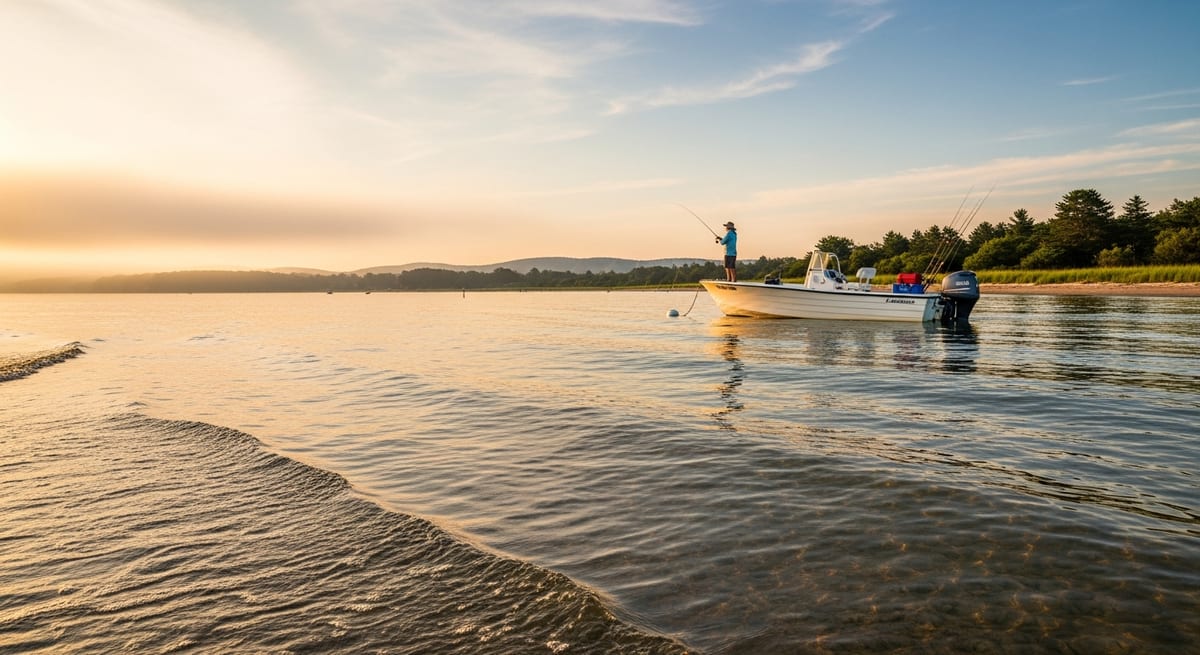
Fluke, formally called summer flounder, are the most targeted saltwater fish by Connecticut anglers in summer, and for good reason: they're delicious, relatively easy to catch, and abundant in Long Island Sound from May through October. A fluke trip is a reliable summer fishing option even when other species are slow.
Fluke Basics: What You're Targeting
Summer flounder (Paralichthys dentatus) are flatfish that spend most of their time on the bottom. Both eyes are on the left side of the body (when viewed from above with the mouth facing left). They're ambush predators that lie partially buried in sand or mud and lunge upward at passing prey. Fluke are strong fighters that make multiple runs, much more aggressive than winter flounder.
Size: CT anglers commonly catch fluke in the 14-22 inch range (1-4 lbs); fish over 24 inches (6+ lbs) are called "doormats" and are prized by serious fluke anglers. The state record is over 19 lbs.
Season: Fluke arrive in CT waters in May as water temperatures warm, with peak abundance in June-September. They move to deeper offshore water in late October as temperatures drop.
CT regulations (verify current with CT DEEP): Typically a minimum size of 18-19 inches and a bag limit of 3-5 fish per day. Regulations have been fairly consistent but always check before fishing.
Where to Find Fluke in CT
Fluke are bottom fish that prefer specific substrates and structures:
Sandy/muddy bottom edges: The transition from sandy bottom to harder structure (rocks, shell beds) concentrates fluke. They lie in the sand and ambush prey moving along the edge.
Drop-offs and ledges: Depth changes of 2-5 feet along channel edges, tide rips, and sandbars all concentrate fluke. Learn the bottom contour of your fishing area with a chart or depth finder.
Inlets and harbors: Tidal inlets. The narrow connections between harbors/estuaries and the Sound, funnel baitfish and concentrate fluke, particularly on outgoing tide when prey is swept out of the harbor.
CT fluke hotspots:
- New Haven harbor and outer flats: Classic CT fluke destination; accessible by small boat and kayak; large concentrations in summer
- Connecticut River mouth (Old Saybrook/Old Lyme area): Channel edges and sandflats hold good numbers of fluke
- Niantic Bay: Productive summer fluke area, mixed substrate
- Thames River channel edges and New London harbor: Good mid-summer fluke fishing
- Eastern Sound reefs: Larger fish tend toward the rockier, current-swept areas of the eastern Sound
Rigging and Presentation
The standard CT fluke rig:
A bucktail jig (1-2 oz depending on depth and current) tipped with a Gulp! Alive shrimp or grub is the most productive CT fluke presentation. The Gulp! scent dispersion in the water dramatically increases strike rates over unscented plastics. White, chartreuse, and pink are reliable colors.
Alternative: a 3-4 foot fluorocarbon leader off a bank sinker, with a spinner blade above a hook tipped with a strip of squid and a Gulp! tail. This "fluke killer" or "fluke spreader" rig is effective in deeper water or strong current where a bucktail would be swept up too fast.
Drift fishing technique: The most common approach: drift the boat slowly with the wind and current, dragging the bucktail along the bottom. The jig should tick the bottom with each slow hop. Speed is critical, fluke want a slow presentation near the bottom. Too fast and the jig lifts too high; too slow and you drag in the sand.
If drifting too fast (current/wind), add weight or use a drift sock (drogue) to slow the boat. Ideal drift speed is 0.5-1.5 mph.
Bait fishing approach: Strip of squid (3 inches, cut to taper) on a hook above a sinker produces well, particularly in deeper water. Fresh-caught killifish (mummichogs) as live bait are extremely effective for larger fluke and can be netted in tidal marshes.
Fishing Technique Details
The lift: Fluke often grab the tail of a drifted presentation and hold on without a hard strike. The technique: when you feel weight or resistance, don't yank immediately, let the fish turn the bait, then lift firmly. Many fluke are lost by striking too quickly before the fish has committed.
Reading the bite: A fluke strike on a bucktail feels like a sudden heaviness or a "thump thump" as the fish grabs and shakes. Sometimes it's just a stop in the jig's action. Any abnormal resistance should prompt a lift.
Handling fluke: Fluke have teeth, not as aggressive as bluefish, but sharp. Hold them by the lip or behind the head, not by gripping the body where the skin is slippery. A lip grip tool makes handling easier.
Measuring for the slot: Always measure before keeping. 18 or 19 inches (confirm current regulation) measured on a flat measuring board from the tip of the jaw to the tip of the tail (pinched together). Fish that are borderline should be measured carefully, illegal undersized fluke is a ticketable offense.
The Charter Option
For anglers without a boat, a fluke party boat (open boat) trip is the classic summer CT experience. Party boats out of New Haven, Groton, Niantic, and other CT ports run regular fluke trips from May-October. Cost is typically $60-$90 per person including rod rental if needed. The boat provides everything except your license. You can learn the technique from experienced anglers and crew.
Full day (8-10 hour) trips go further offshore and have higher potential for larger fish; half-day (4-5 hour) trips are more accessible and still produce good numbers. Party boat catch rates for fluke in the summer peak are generally strong.
EVERY SATURDAY MORNING
Weekly fishing intelligence
Nationwide conditions, what's biting, and honest gear deals. One email, no noise.
No spam. Unsubscribe anytime.