
When Everything Else Stalls, CT Bass Anglers on Candlewood and the Housatonic Default to the Jig. What Rock Structure, Dock Lines, and Grass Flats Demand From Jig Selection, Trailers, and Presentation Windows in Connecticut Waters
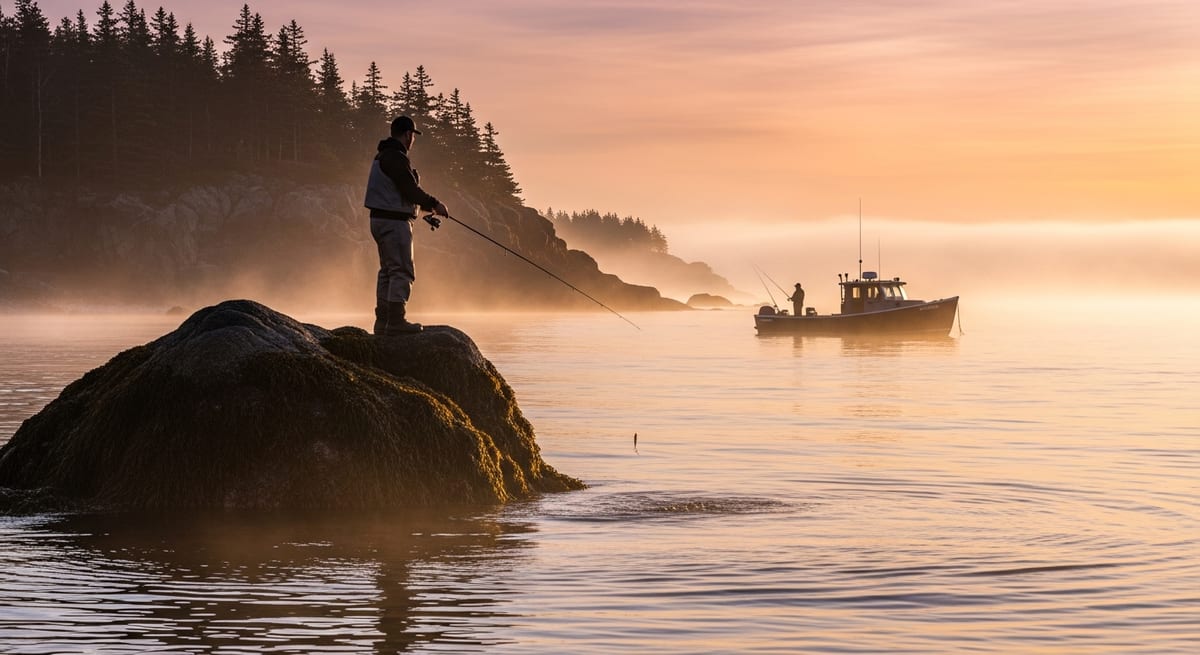
Anglers who fish Candlewood Lake's eastern arm report that a football jig dragged slowly over a gravel-to-rock transition at 14 to 18 feet will pick up largemouth and smallmouth that had been ignoring crankbaits and soft plastics run over the same structure minutes earlier. That pattern. Most reliable when water temps settle in the 58°F to 68°F range in spring and again as they fall through that window in October, is why CT bass regulars default to jig fishing when conditions tighten. The technique rewards matching head shape and presentation to the specific cover types Connecticut waters offer, which differs from the open-water ledge fishing that national guides typically frame around.
Which Jig Works Where on Connecticut Waters
Connecticut's mix of glacial lake rocky structure, reservoir dock lines, and river habitat rewards specific jig head shapes in each environment:
Football jigs: Built for the rocky humps and main-lake points defining Candlewood and Bantam Lake. CT regulars typically run 3/8 to 3/4 oz heads in 12-to-20-foot depths where bass stage on the mid-summer thermal transition. The wide head rocks naturally over gravel and broken rock, a motion CT anglers describe as matching a feeding crawfish on those bottoms.
Flipping/pitching jigs: Primary choice along dock lines on Candlewood, Lake Lillinonah, and Bantam Lake, where largemouth use dock structure for shade and ambush from June through August. CT kayak anglers report consistent results flipping 3/8 to 1/2 oz heads into inside dock corners during midday heat windows.
Swim jigs: Best on vegetated coves in shallower lakes like Moodus Reservoir and Lake Zoar. CT anglers targeting spring bass in these environments favor 3/16 to 3/8 oz heads that keep the jig swimming just above the grass canopy without hanging up.
Finesse jigs: Particularly effective on clear Litchfield County lakes after fishing pressure builds post-spawn. Many Bantam Lake and Twin Lakes anglers report that 1/8 to 1/4 oz heads with compact skirts outperform heavier rigs once water clears in late May.
Hair jigs: A reliable smallmouth choice on the Housatonic River, especially in rocky stretches near Derby and the Falls Village section. CT river regulars describe white and olive bucktail jigs as effective from late April through June when smallmouth hold in current seams ahead of their post-spawn retreat to deeper pools.
Trailers: Matching Profile to CT Cover Type and Water Clarity
The trailer defines a jig's action and profile, and on Connecticut waters, the right choice varies by cover type and lake clarity:
Crawfish-style trailers: Best matched to football and flipping jigs on the rocky structure at Candlewood and Bantam Lake. Chunk trailers and claw-style soft plastics add bulk and a natural fall profile. CT regulars fishing these lakes typically match trailer color to jig skirt, green pumpkin with green pumpkin, black/blue with black/blue, and hold that pairing through the season rather than chasing color trends.
Swimming trailers: Paddle-tail creatures and swim trailer designs add tail kick to swim jigs on CT grass flats. A double paddle-tail in bluegill or chartreuse draws reaction strikes from bass moving through spring vegetation canopies in Moodus Reservoir and Lake Zoar.
Clarity-based color adjustments: Candlewood's relatively clear water rewards natural greens, browns, and crawfish tones. Stained sections of Lake Lillinonah near inflowing streams and portions of Moodus Reservoir respond better to darker solid colors. The consensus among CT bass anglers who fish multiple lake types is that black/blue and junebug outperform natural tones when visibility drops below three feet.
Football Jigs on Candlewood and Bantam Lake Rocky Structure
Football jigs earn their reputation on the hard-bottom humps and main-lake points defining Candlewood and Bantam Lake's deeper holding areas:
Slow drag over transitions: CT regulars run 3/8 to 3/4 oz heads over 12-to-20-foot structure, letting the football head rock and roll with minimal rod input. Anglers fishing Candlewood's mid-lake humps consistently describe over-working the retrieve as the most common presentation mistake. The jig's geometry handles the action, and adding rod movement often pulls it off productive bottom contours.
Pauses: Many bites come on the pause or the initial fall to bottom. On Candlewood's deeper secondary points where smallmouth mix with largemouth through summer, pickups on the drop are common, worth watching for a subtle line jump or tick.
Weight in wind: Dropping to 3/4 or 1 oz in wind or on deeper structure helps maintain bottom contact. Losing that feel removes the jig from the strike zone without the angler knowing it.
Seasonal windows: Productive from ice-out through late fall on CT lakes. Candlewood regulars report the strongest football jig action during late-spring pre-spawn staging on main-lake points and again from August through October as bass return to deep structure after the post-summer shallow period.
Dock Lines and Laydowns: The Flip-Pitch Game on CT Shorelines
Connecticut's developed reservoir shorelines, particularly Candlewood, Lake Lillinonah, and Bantam Lake, hold significant dock infrastructure that concentrates largemouth from June through early September:
Flipping: A controlled pendulum drop into targets within 15 feet. CT anglers who fish dock lines describe the inside corner and the leading shade edge of floating docks as the two most consistent target zones, not the entire dock face. Isolated structure outproduces working every inch of a long dock run.
Pitching: Extends range to 15-40 feet for docks set back from accessible shore or for isolated laydowns along undeveloped shoreline stretches on Lillinonah and the upper Bantam Lake shoreline.
Gear: Most CT anglers flipping jigs run 17-20 lb fluorocarbon or 50 lb braid on a 7'3" to 7'6" heavy rod. The heavier line is necessary for pulling largemouth away from dock pilings before they can wrap and break off.
Mat fishing: A 3/4 to 1 oz jig punches through the floating weed mats that form in sections of Lake Zoar and Moodus Reservoir by mid-July. CT DEEP public access maps list launch points on both lakes that put anglers within reach of the most productive vegetated coves without a long run.
Regulations: CT DEEP bass regulations apply statewide, confirm current size limits and seasonal rules on the CT DEEP Fishing Guide before the season, as minimums and bag limits cover all connected impoundments.
Swim Jigs and the Connecticut Grass Flat Window
Swim jigs are most productive on CT waters from late April through mid-June, when largemouth move to shallow grass flats on lakes with significant vegetated habitat:
Target lakes and timing: Moodus Reservoir, Lake Zoar, and sections of Lake Lillinonah with weed growth concentrate bass in 3-to-8-foot depths during spawn and post-spawn. CT anglers who track this window report action peaks when water temps reach 62°F to 68°F, typically mid-May on Moodus, slightly later on Lillinonah's shaded northern coves.
Retrieve: Moderate and steady, keeping the jig ticking just above the grass tops. CT grass-flat anglers describe letting the jig occasionally bump isolated weed clumps or submerged wood as a key reaction trigger, distinct from the slower, bottom-dragging approach that works on rocky structure.
Color: White and chartreuse in stained water on Moodus and lower Lillinonah coves. Green pumpkin and bluegill-pattern trailers on clearer flats. The consensus among Connecticut anglers who fish multiple grass environments is that matching trailer profile to the dominant forage, shiners in some lakes, bluegill in others, outperforms a single color rule applied everywhere.
Rod position: Keeping the rod tip elevated maintains swimming depth. As summer progresses and vegetation mats fully form, the swim jig window gives way to punching with heavier jigs. The same 3/4 to 1 oz heads described in the dock-line section work equally well through thick surface mat on both Lake Zoar and Moodus.
EVERY SATURDAY MORNING
Weekly fishing intelligence
Nationwide conditions, what's biting, and honest gear deals. One email, no noise.
No spam. Unsubscribe anytime.