
Kayak Fishing Setup for Beginners: What to Buy, What to Skip, and How to Rig It
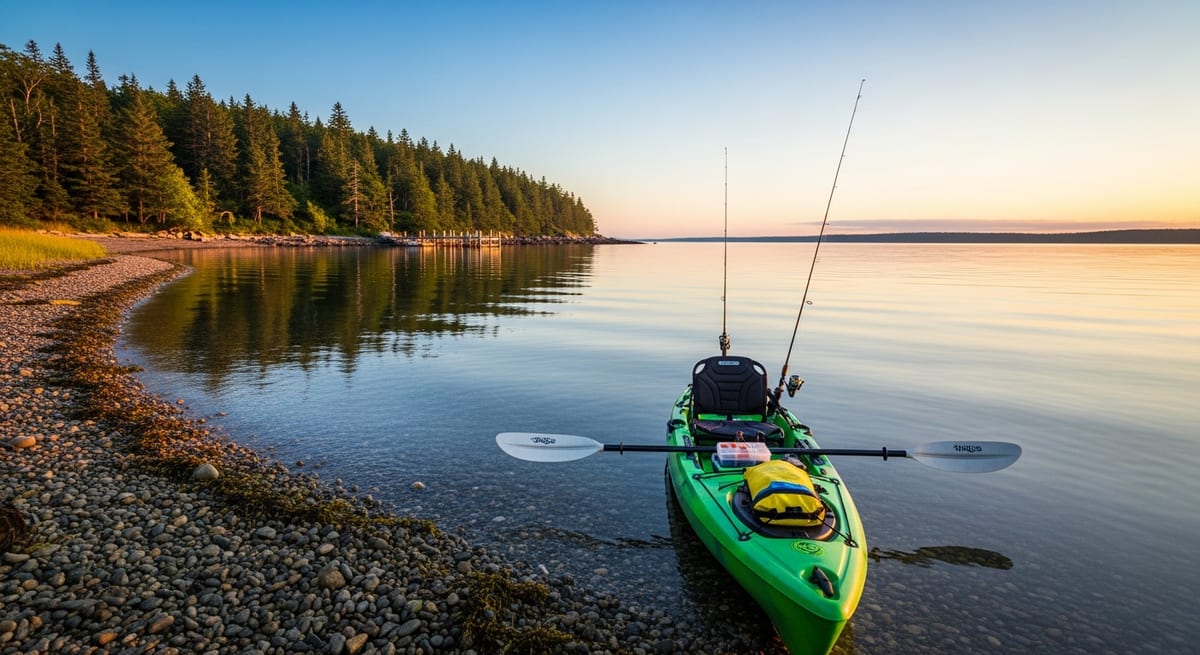
Kayak fishing has exploded in popularity because it solves a real problem: most good fishing water isn't bank-accessible, and a full boat requires a trailer, a launch, and a license in some states. A kayak gets you into backwater coves, shallow flats, tidal marshes, and ponds with no ramp, no registration, and a total setup that fits in a hatchback. But the gear industry has also turned kayak fishing into an expensive hobby with endless accessories. Here's what you actually need versus what you're being sold.
Choosing a Kayak: The Real Decision Points
The most important kayak fishing decision isn't rod holders or deck space. It's stability and how you're going to transport it.
Sit-on-top vs. sit-inside: For fishing, sit-on-top (SOT) is strongly preferred. You can stand on wider SOT models, you don't get trapped if you flip (and you will eventually flip), and they self-drain. Sit-inside kayaks are faster and better for cold weather paddling, but they're fishing-inconvenient.
Stability: Measured in primary stability (initial feel when sitting still) and secondary stability (resistance to capsize when leaning). Wider kayaks (28-34 inches) are more stable for fishing. Narrower touring kayaks are faster but tippier, not what you want when you're fighting a fish.
Length: 10-12 feet is the sweet spot for fishing. Long enough to track well and carry gear, short enough to be manageable alone. 13+ feet are for open water and cover distance; good for fishing too but harder to transport solo.
Weight: A major practical consideration. A 55-pound kayak versus an 80-pound kayak matters a lot when you're loading it on a car roof alone. Lighter is better if you're transporting solo. Heavier polyethylene kayaks are more durable and cheaper; lighter thermoformed or composite kayaks cost more.
Budget reality: A functional fishing kayak runs $600-$1,200. Below $500, quality and durability suffer. Above $2,000, you're paying for pedal drive systems or premium materials. For starting out, a $700-$900 sit-on-top from Old Town, Perception, or Native Watercraft is the sensible choice.
Essential Equipment vs. Nice-to-Have
You need:
- PFD (life jacket), wear it, not stow it. A low-profile inflatable or thin foam fishing PFD from NRS or Astral is comfortable enough to actually use.
- Paddle, buy decent here. A bad paddle is exhausting. Carbon fiber or fiberglass paddle shafts make a real difference on longer outings. Bending Branches and Werner make excellent fishing paddles at reasonable prices.
- Anchor system. A simple 1.5-lb folding grapnel anchor with 15-20 feet of rope and a cleat is all you need in most situations. Don't overthink this.
- Rod holders. Most fishing kayaks come with flush-mount rod holders. Add an aftermarket adjustable holder (RAM system) for a rod you want quickly accessible.
- Dry storage. A small dry bag for phone, keys, and wallet. Non-negotiable.
You don't immediately need:
- Fish finder, useful but optional for starting out. A $150 Garmin Striker is the entry point when you're ready.
- Pedal drive system, expensive and adds complexity. Nice for hands-free fishing on open water. Not necessary for most freshwater scenarios.
- Crate systems, tackle towers, rod arches, all functional after you know how you fish from a kayak. Buy after one season, not before.
Safety on the Water
Kayak fishing drowning statistics are consistently linked to not wearing a PFD. This is the one piece of advice worth repeating: wear the life jacket on the water, always, even in calm conditions.
Beyond the PFD:
Know your water before you go. Tidal currents, wind patterns, and motorboat traffic all affect kayak safety. Tidal marshes that are passable at high tide can become mudflats that strand you at low tide. The NOAA Tides and Currents website and local fishing forums are your friends.
Tell someone where you're going. Leave a float plan, where you're launching, where you're going, when you expect to be back.
Cold water: In water below 60°F, a capsize can be dangerous even in warm air. A wet suit or dry suit is warranted for early spring and late fall kayaking in CT waters. Cold water incapacitation can happen in under 5 minutes.
Re-entry practice: Practice getting back into your kayak after a capsize in shallow, warm water before you're in a situation where it matters.
Rigging for Freshwater vs. Saltwater
Freshwater: The setup is simpler. Rod holders, a small tackle tray, an anchor, and you're fishing. Bass and trout kayak fishing in CT ponds and rivers doesn't require much gear. Keep it light.
Saltwater: More planning required. Salt corrodes everything. Use stainless or plastic hardware. Rinse the kayak and all hardware after every saltwater outing. A longer anchor line (30-50 feet) handles tidal current and wind. A tether for your paddle (so it doesn't drift away when you're fighting a fish) is a good idea in current.
Standing: If you plan to stand fish, which is excellent for sight fishing flats and marshes, choose a kayak rated for standing (12"+ beam, flat deck). Practice standing in calm protected water first. It changes the fishing dramatically.
Best CT Waters for Kayak Fishing
Freshwater: Lake Lillinonah (Brookfield/Newtown), large reservoir with extensive backwater coves, excellent bass and walleye. Lake Zoar, adjacent to Lillinonah, similar character. Saugatuck Reservoir (Westport/Weston), limited motorized boats, great kayak bass fishing. The Salmon River coves in Colchester.
Saltwater/tidal: Great Island Wildlife Management Area (Old Lyme), tidal marsh striper fishing from a kayak at its best. Niantic Bay and Niantic River, protected water, good for stripers and fluke in season. Selden Cove on the Connecticut River, beautiful and productive for bass and striper in summer.
Permit note: Connecticut does not require a license or registration for non-motorized kayaks under most circumstances. Check current DEEP regulations for any waterway-specific rules (some reservoirs have access restrictions).
EVERY SATURDAY MORNING
Weekly fishing intelligence
Nationwide conditions, what's biting, and honest gear deals. One email, no noise.
No spam. Unsubscribe anytime.