
Chasing Trophy Bass: How to Target Big Largemouth in Connecticut
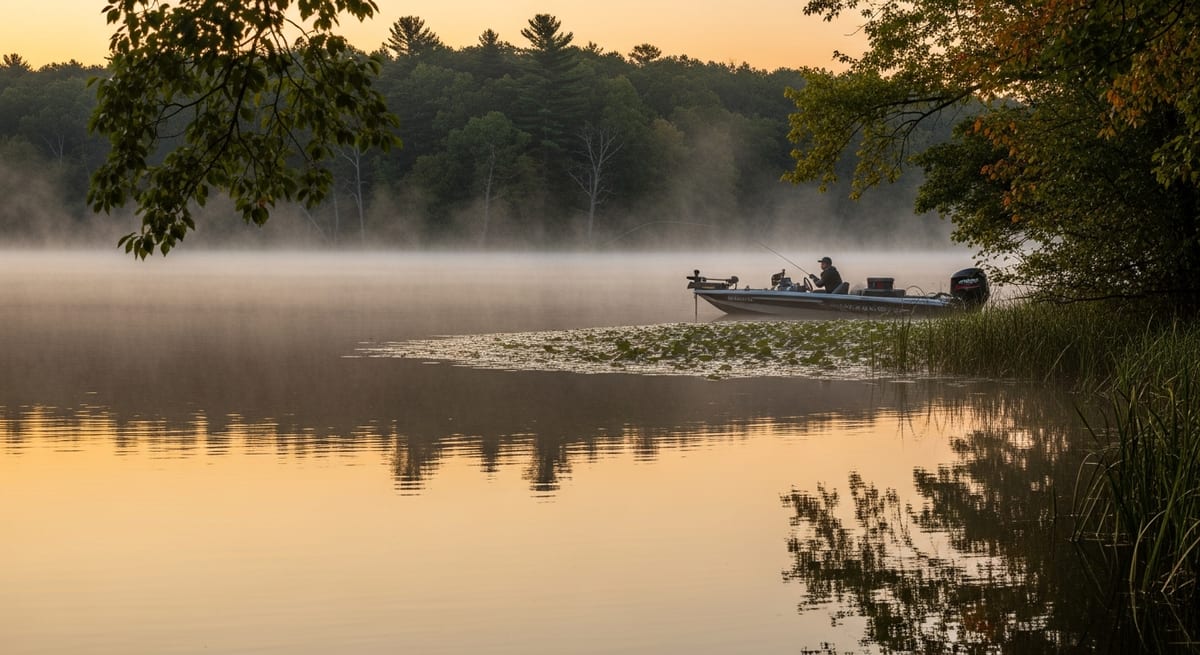
The largest largemouth bass in Connecticut are unique animals compared to the average schoolfish. They're older (a 6 lb CT largemouth is 8-10 years old), more educated, more solitary, and more selective. They've seen thousands of lures and have been hooked and released multiple times. Catching them requires a different mental model than catching bass in general. It's about finding individual fish rather than finding schools, and presenting large, natural-looking baits rather than aggressive reaction presentations.
Where Trophy Bass Live in Connecticut
Big largemouth bass in Connecticut are concentrated in specific lake types and specific structural elements. The lakes: Candlewood Lake (New Fairfield/Sherman), cT's largest lake holds a significant trophy bass population. The deep main-lake structure and flooded river channel edges hold big fish. Bantam Lake (Morris), known for pike but holds quality largemouth too. Saugatuck Reservoir (Weston), limited access but excellent big bass water. Gardner Lake (Salem), eastern CT bass water with quality fish. The habitat requirements of large bass: Depth access, big bass use deep water as a safety and thermal refuge, making short excursions to shallow feeding areas. A trophy bass near a shallow flat is almost always within a rod-cast of deep water. Overhead cover. The largest bass are rarely in open water. They're in the darkest dock shade, under the most dense lily pad mat, in the deepest brush pile. Primary forage, large bass need large, calorically dense prey. They primarily eat large bluegill, small bass, perch, and shad. Finding the large forage concentration in a lake often leads to large bass.
The Trophy Bass Mindset
Targeting trophy bass requires deliberately sacrificing quantity for quality. This is a mindset shift for most anglers accustomed to trying to maximize fish count. Slow down: Trophy bass presentations are slower and more methodical than schoolfish presentations. A 10-inch swimbait on a 1 oz head crawled along the bottom over 15 minutes is more likely to produce a trophy than covering the same water in 3 minutes with reaction bait. Fish fewer spots better: Trophy bass concentrate on specific structural elements. The perfect dock, the deepest brush pile, the key inside weed corner. Identify these locations through map study and depth finder work, then fish each one thoroughly rather than covering miles of shoreline quickly. Larger lures: Trophy bass target larger prey. A 6-inch Keitech swimbait, a 10-12 inch black worm, a large glide bait, or a 5-inch jerkbait presents a much more realistic meal for a 7 lb bass than the 4-inch baits appropriate for schoolfish. Confidence over coverage: When pre-fish or past experience shows that a specific location holds trophy fish, trust it and fish it thoroughly at different times and conditions rather than abandoning it after one unproductive session.
Trophy Bass Presentations
Several presentations are specifically effective for targeting large bass rather than average-size fish. Big swimbaits: A 6-8 inch paddle-tail swimbait or line-through swimbait on a heavy (1-1.5 oz) head is the premier trophy bass presentation nationwide. Retrieve: slow, steady, just fast enough to get the tail kicking. These large baits naturally filter out small fish and produce quality strikes. Glide baits: Larger glide baits (Deps 175, Lucky Craft CIF-200) are hard to justify for typical bass fishing but produce trophy-class fish. The slow, side-to-side gliding action mimics a large dying or injured shad. These are deep-water morning presentations for the most serious trophy hunters. Big jigs: A 3/4-1 oz flipping jig with a large trailer (5-inch craw, big chunk) pitched to heavy cover produces big fish that smaller jigs don't. The large profile selects for bass with the appetite to eat a large meal. Deep jerkbaits and suspending plugs: A large (4-5 inch) suspending jerkbait worked very slowly (10+ second pauses between twitches) is exceptionally effective in cold water (fall, early spring) for large bass holding in 8-15 feet on main-lake points and dock edges. Trophy bass in cold water need time to commit to a presentation.
Timing Trophy Bass
Trophy bass are most vulnerable during specific times when their natural caution is reduced. Pre-spawn (April-May): The largest females are the most active and heaviest just before spawning. They're moving toward spawning areas and fueling up aggressively. A 7-10 lb female in pre-spawn condition is the most catchable large bass of the year. Early morning: The first 2 hours after sunrise consistently produce the biggest bass of any given day. Large bass use darkness to feed boldly in shallow water; the early morning period catches them still active before retreating to daytime deep cover. First and last hour of the day are standard bass fishing wisdom but particularly true for trophy fish. Overcast days: Extended cloud cover eliminates the light-driven withdrawal to deep cover that limits big bass to dawn/dusk windows. An overcast June day can produce big bass throughout the day because the low-light conditions give them confidence to stay shallow. Post-frontal exception: The 24 hours following a cold front, usually associated with poor fishing, can produce exceptional big bass action in fall. The dropping water temperature triggers a final feeding response before the frontal weather slows metabolism significantly.
Photography and Proper Release of Trophy Fish
A trophy bass photograph deserves more care than a snapshot. And the fish deserves proper handling before release. The grip-and-grin: The classic bass photo. Angler holds fish with one hand on the jaw, other hand supporting the body, fish horizontal. Practice this position before the camera comes out. The fish should be horizontal, not vertical. Keep it brief, under 10 seconds out of water for any photo. Alternative: In-water photos with the fish just at the surface are increasingly popular because they minimize air exposure. More natural-looking and better for the fish. Weigh it: Have a reliable digital scale (not a spring scale) ready. Record both weight and length. The length allows calculating condition factor. A useful data point for lake health information. For fish over 6 lbs: These are old, irreplaceable animals. Every handling decision should prioritize their survival. Wet your hands. Keep horizontal. Take one photo with short exposure. Return the fish head-first at the shoreline with gentle reviving motion until it swims away strongly. Do not release a large bass in deep water from a boat. It may need assistance staying upright initially and should be released in shallow water where it can recover without effort.
EVERY SATURDAY MORNING
Weekly fishing intelligence
Nationwide conditions, what's biting, and honest gear deals. One email, no noise.
No spam. Unsubscribe anytime.