
Scup (Porgy) Fishing in Connecticut: The Best Saltwater Fish Nobody Talks About
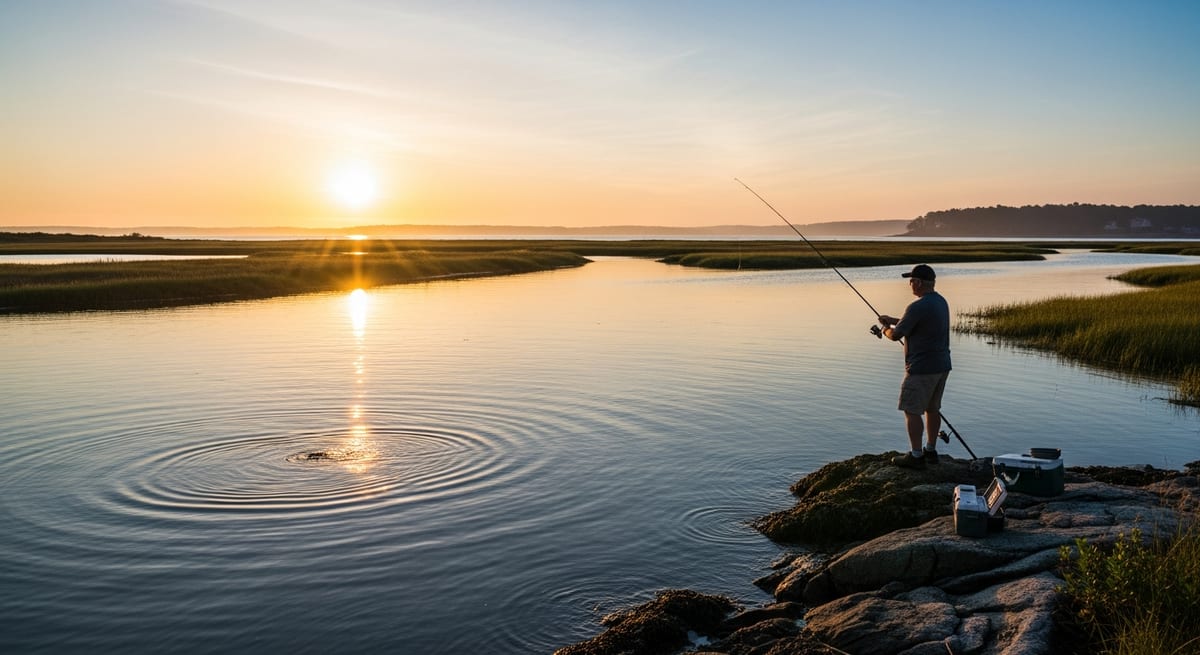
On the right summer tide, a single anchor set over the ledges off the Norwalk Islands can fill a cooler in two hours, yet most Connecticut anglers cruise right past them chasing stripers and blues. Scup, also called porgy, are one of the most underappreciated saltwater fish in Connecticut. They're reliable, they fight hard for their size, they're excellent to eat, and they show up in big numbers from late May through September. If you're looking for a bite that's almost always producing when everything else is slow, scup are your answer.
Where to Find Scup in CT Waters
Scup are a bottom-oriented species that hang around structure, rocky reefs, mussel beds, wrecks, and hard sandy bottom with shell. In Connecticut, that means Long Island Sound and the tidal rivers that feed it.
Rocky reefs and ledges: The Norwalk Islands are one of the most productive scup grounds in western CT. The ledges around Sheffield Island and Chimon Island hold fish all summer, launch from Cove Island Park in Stamford or Norwalk Cove Marina and anchor up on hard structure in roughly 20-40 feet. In the central Sound, the reef complex off Branford and Guilford also holds consistent numbers. Look for hard bottom in approximately 20-50 feet, though scup will push shallower or deeper depending on conditions and season.
Wrecks and artificial reefs: The CT DEEP manages designated artificial reef sites across Long Island Sound, including areas off New Haven, Branford, and the Housatonic River mouth near Milford. Coordinates for these sites are published on the CT DEEP Marine Fisheries website and appear on most offshore fishing charts. Reef material concentrates baitfish, which draws scup along with sea bass, tautog, and fluke. These spots are worth marking in your GPS.
Rocky points and jetties from shore: Rocky Neck State Park in East Lyme offers solid shore access to rocky structure that produces scup in summer. Fish the points and visible reef areas at or near the bottom during tide movement. Bluff Point State Park in Groton puts you within casting range of structure overlooking Fisher's Island Sound. Harkness Memorial State Park in Waterford and the jetties along Niantic Bay also produce well when fish are in close.
Tidal river mouths: The mouths of the Thames, Niantic, Connecticut, and Housatonic rivers receive scup runs in summer as fish move into shallower, warmer water to feed.
Out-of-state anglers planning summer Long Island Sound saltwater trips often time them around the overlapping fluke window. The Midwest anglers guide to planning an Atlantic fluke season trip covers the timing and structure that scup share with summer fluke on the same waters.
Seasonal Timing
Arrival (late May-early June): Scup migrate north into Connecticut waters as water temperatures warm through spring. Many local guides report the first consistent action once temps are approaching the mid-50s°F, though arrival timing shifts year to year. The first fish typically show in slightly deeper water, somewhere in the 40-70 foot range, before moving shallower as the season builds.
Peak season (July-August): Scup are everywhere, rocky reefs, wrecks, jetties, and nearshore structure. Water temps in the 60-70°F range tend to produce the best action, with fish spread across multiple depth zones. This is when shore fishing and shallow-water boat fishing is most productive.
Fall push (September-mid-October): As water cools in September, scup begin schooling up ahead of their migration south and offshore. Fishing can be exceptional during this window. Fish are concentrated, often running larger than summer average, and feeding aggressively before they go. Work the same reef and wreck spots, but be ready to find them a bit deeper than you did in July. By late October, most fish have cleared Connecticut waters.
Winter: Scup overwinter in deeper Atlantic water well south of CT. A handful of larger fish show up on deepwater winter trips, but recreational inshore scup fishing is effectively seasonal.
Tackle and Rigs
Scup are not complicated to catch. Simple bottom rigs with the right bait work consistently.
Basic bottom rig: A two-hook high-low rig (two dropper loops 6-10 inches apart) on 15-20 lb monofilament, with a bank sinker or pyramid sinker. Size 1 or 1/0 beak or sproat hooks work well. Don't overthink this. The simplest rigs catch the most fish.
Light tackle spinning: A 6.5-7 foot medium-light spinning rod with 10-15 lb braid and a 15 lb fluorocarbon leader is ideal. The sensitivity of braid lets you feel the bottom clearly and pick up subtle bites, which matters when there's current pushing your rig around or fish are being finicky.
Conventional (for deep water): When fishing deeper structure (40-80 feet) or in heavy current, a light conventional or baitcasting setup with heavier line keeps your rig on the bottom more effectively.
Hook size matters: Scup have relatively small mouths. Size 1 hooks help with hook-up rates on smaller fish. For larger scup, 1/0 is fine.
Best Baits
Squid: The most consistently productive bait for scup in Long Island Sound, based on what local captains and guides report trip after trip. Cut strips of fresh or thawed squid into thin 1.5-2 inch pieces and thread them on the hook. Fresh squid out-fishes frozen, but frozen works fine. Squid stays on the hook through multiple bites, which matters when fish are small and numerous.
Bloodworms: Premium bait that often outperforms squid on finicky days, but expensive. Worth mixing in or switching to when squid isn't producing. Available at most CT bait shops.
Sandworms: Similar to bloodworms, effective, slightly more affordable.
Clam strips: Cut up a hard or soft clam and fish strips on the hook. Clam belly works particularly well. Many shore anglers swear by clam over squid, worth having both in the cooler and letting the fish tell you which they want.
Chum: If fishing from a boat, crushing clam or mussel shells and dropping them over the side creates a scent trail that pulls scup up from the bottom. Commercial chum pots filled with ground bunker also work.
Connecticut Regulations
Scup are managed as a joint state-federal fishery, with NOAA Fisheries setting baseline limits and Connecticut adopting them for inshore waters. These regulations can and do change year to year based on stock assessments, always confirm current rules at the CT DEEP Marine Fisheries website before heading out.
Recent typical regulations (confirm for current season before fishing):
- Minimum size: 9 inches total length
- Daily bag limit: 30 fish per person (recreational). This limit has shifted in recent seasons and may differ from what you've heard before
- Season: Generally open through summer and fall; check for any month-specific federal restrictions that apply in a given year
- Federal waters (3+ miles offshore): NOAA may apply different possession limits than state inshore rules, verify separately if you're fishing offshore structure
Scup were significantly overfished through the 1990s and into the early 2000s. The stock has recovered well under current management, and the Sound has seen strong scup numbers in recent seasons. Keep checking annually, regulations that were generous in a good year can tighten if the stock assessment shifts.
Cooking Scup
Scup are genuinely excellent table fare, one of the better eating fish in Connecticut's waters. The white, flaky, mild meat is versatile and takes to several preparations.
Whole roasted: The classic. Score the fish twice on each side, brush with olive oil, salt, pepper, and fresh herbs (thyme, lemon, garlic), roast at 425°F for 12-15 minutes. The skin crisps up and the meat comes off the bone cleanly. This is the best way to cook scup.
Pan-fried: Fillet scup (a half-pound fish yields two small fillets), dredge in seasoned flour or cornmeal, fry in butter or oil at medium-high heat for 2-3 minutes per side. Simple and excellent.
The bones: Scup are bony, which deters some people. Whole roasted fish are actually easier to navigate than fillets because you can see the bone structure clearly. Larger scup (12+ inches) fillet more cleanly and are worth targeting if you want boneless fillets.
EVERY SATURDAY MORNING
Weekly fishing intelligence
Nationwide conditions, what's biting, and honest gear deals. One email, no noise.
No spam. Unsubscribe anytime.