
Blue Sharks Move Within 30 Miles of New London by Mid-July. The Offshore Captains Running Coxes Ledge Know the Window.
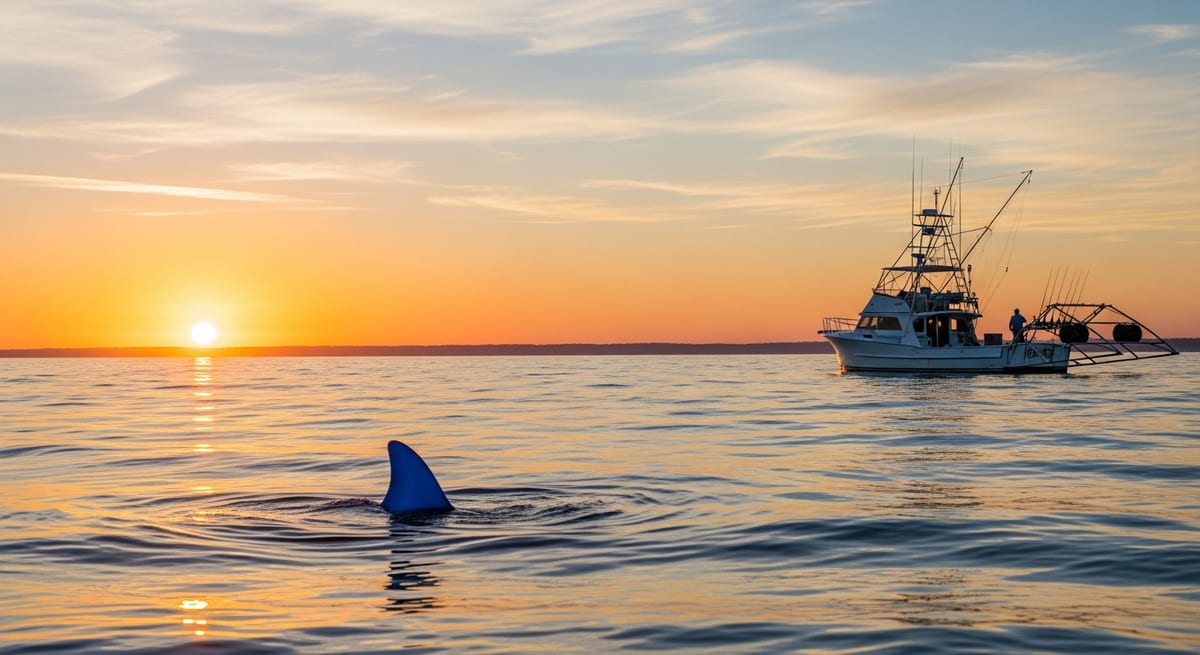
Offshore anglers running out of New London regularly find blue sharks within a 25-to-30-mile run, accessible to any boat rated for a 10-to-12-hour day, not just the tournament rigs most anglers picture when they hear "shark fishing." CT offshore shark fishing gets quietly overlooked every summer while the majority of the fleet chases stripers inshore. Charter captains running out of New London and Niantic report that July through September delivers consistent blue shark action, with mako encounters possible farther offshore for boats willing to push past 50 miles. The offshore community that fishes this window has been building knowledge about timing, tackle, and the federal regulations that govern the fishery, knowledge that rarely filters back to inshore anglers who have never made the run.
When the Blues Show Up, what Charter Captains and SST Data Both Point To
Offshore shark timing off CT tracks closely with summer water temperatures and the northward push of warmer offshore water:
- Blue sharks: The most accessible offshore species. Charter captains running out of New London consistently report blue sharks becoming reliable once surface temps climb into the mid-to-upper 60s, typically late June into early October. NOAA SST data for the southern New England shelf shows water reaching that range by late June in most seasons, with July and August being the most productive months. The standard run puts boats 20-35 miles offshore of New London; some captains push closer to 40 miles to find better concentrations.
- Mako sharks: Less predictable and generally require pushing farther offshore, often past 50 miles, based on reports from captains running out of New London and Niantic. They tend to appear in July and August when water temps are consistently in the upper 60s or above. Makos are genuinely rare on any given trip and represent a real trophy if a boat connects.
- Thresher sharks: Occasional incidental catch in deeper water. The long upper tail lobe makes them unmistakable. Most encounters reported by CT offshore anglers were unplanned, boats targeting blues when a thresher appeared.
- Inshore late-summer species: Sand tigers and spinner sharks sometimes show closer to structure in August and September, often near bluefish schools. A different game from dedicated offshore shark fishing.
Charter captains who run early-season trips consistently note that going out before mid-June often means cold water and no blues, not worth the fuel burn. The standard advice from New London-area offshore operations: check recent captain reports before committing to the run.
The Ports, the Run, and What to Ask Before You Book
New London/Waterford: The most common departure point for CT offshore shark fishing. Access to the Race and eastern Sound, then a push offshore toward Coxes Ledge. Established charter operations here run dedicated offshore shark trips, and from New London, blue shark territory is achievable without an extreme run.
Niantic: Popular for anglers coming from the western half of the state. Multiple marinas with offshore-capable boats. Block Canyon. A long run at 60-plus miles, is the name that comes up in conversations about mako encounters. For blues, boats do not need to push anywhere near that far.
Westbrook/Old Saybrook: Access from the Connecticut River mouth area provides a shorter run to offshore water than departing from western CT ports, which matters when accounting for fuel costs on a long day.
What a trip involves: A full-day offshore shark trip runs 10-14 hours, departures before dawn, back at dinner. Charter rates vary by boat, captain, distance, and current fuel costs; confirm pricing directly with the operation before booking, as fuel prices make any published range unreliable. For anglers new to offshore shark fishing, booking a charter before attempting it independently is the approach experienced offshore anglers consistently recommend. The chumming setup, tackle configuration, and situational awareness are not obvious until you have seen them executed once.
How Experienced Offshore Crews Set Up a Chum Slick
Chumming is the core technique in offshore shark fishing, and the offshore community that fishes this regularly has developed consistent practices around execution.
The chum slick: A 5-gallon bucket of frozen ground menhaden hung over the side, thawing slowly and releasing oil and ground fish into the current. The boat positions up-current with the engine off, letting the slick run downcurrent. A good slick covers a lot of water, sharks are following a scent trail that extends well beyond what is visible from the cockpit.
The deployment detail that makes a difference: Offshore regulars commonly cut the bottom of the frozen block before hanging it so it drips steadily rather than melting only from the outside. A slow, sustained release outperforms a large initial dump followed by nothing. A detail that takes some anglers a trip or two to dial in.
Bait selection: Chunk or whole menhaden on the hooks complement the chum slick. Fresh bait consistently outperforms frozen in reports from offshore crews. Many offshore shark operations also use mackerel, herring, or fresh bluefish. Bluefish caught inshore the day before and kept on ice are a common and effective option.
Drift vs. anchoring: Offshore shark fishing is done on drift, engine off, moving with the current while the slick streams behind. Once a drift goes cold, the crew repositions uptide and starts a new drift.
What the Offshore Community Has Standardized On for Tackle
Blue shark setup:
- 50-80 lb class conventional rod and reel. Penn Senator is a common choice among CT offshore anglers for blues, durable and well-suited to the application. Shimano Tiagra is a more common upgrade among those running these trips regularly.
- 80-100 lb monofilament or 65-80 lb braid with a heavy mono top shot
- 10-12 feet of heavy single-strand wire or multi-strand cable leader, non-negotiable. Blues will saw through monofilament or fluorocarbon. Offshore anglers who have lost fish to an inadequate leader consistently describe it as the first lesson the fishery teaches.
- 8/0-10/0 circle hook, strongly preferred over J-hooks for release fishing. Circle hooks reduce gut-hooking significantly and make releasing sharks cleaner and safer.
Mako setup: Targeting makos specifically means stepping up to 130 lb class gear. Makos are explosive fighters, known to jump repeatedly during a single fight, and lighter equipment will not hold up.
Balloon floats: Running multiple baits at different depths: 10 feet, 30 feet, and deeper, is standard practice among CT offshore crews. Blues work the water column, and covering more of it produces more bites.
On keeping sharks: The consensus among experienced CT offshore anglers is catch and release on both blues and makos. Blues are relatively abundant; makos are under significant regulatory pressure and current rules may not allow retention at all. Circle hooks make release easier, hold the leader and let the shark swim off under its own power before releasing the wire.
Federal Regulations Govern This Fishery, verify at NOAA Before You Leave the Dock
Federal regulations, not CT state rules, govern offshore shark fishing. These rules change more frequently than almost any other recreational fishery in the region, and the consequences of getting it wrong are serious.
Blue sharks: Regulated at the federal level with strict per-vessel recreational limits. Current bag limits are published at fisheries.noaa.gov, verify before your trip, as these have shifted in recent seasons and any figure published in a fishing article may be stale by the time you read it.
Shortfin mako: Retention of shortfin makos has been heavily restricted or prohibited in recent seasons due to stock concerns. Verify the current rule directly at NOAA before booking. This is one of the more actively managed species in the recreational shark fishery, and the rules have shifted between seasons in ways that caught some anglers off guard.
Prohibited species: Great white sharks, sandbar sharks, and several others are completely prohibited from retention. Any prohibited species that comes to the boat should be released immediately and carefully.
NOAA HMS Permit: The captain must hold a federal Highly Migratory Species permit to legally land any shark. When booking a charter, confirm directly that the captain holds an HMS permit, any legitimate offshore operation will have it without hesitation.
Verify at fisheries.noaa.gov before every trip. This step takes five minutes and protects everyone on the boat.
EVERY SATURDAY MORNING
Weekly fishing intelligence
Nationwide conditions, what's biting, and honest gear deals. One email, no noise.
No spam. Unsubscribe anytime.