
Smallmouth Bass in Connecticut: The Underrated Fishery
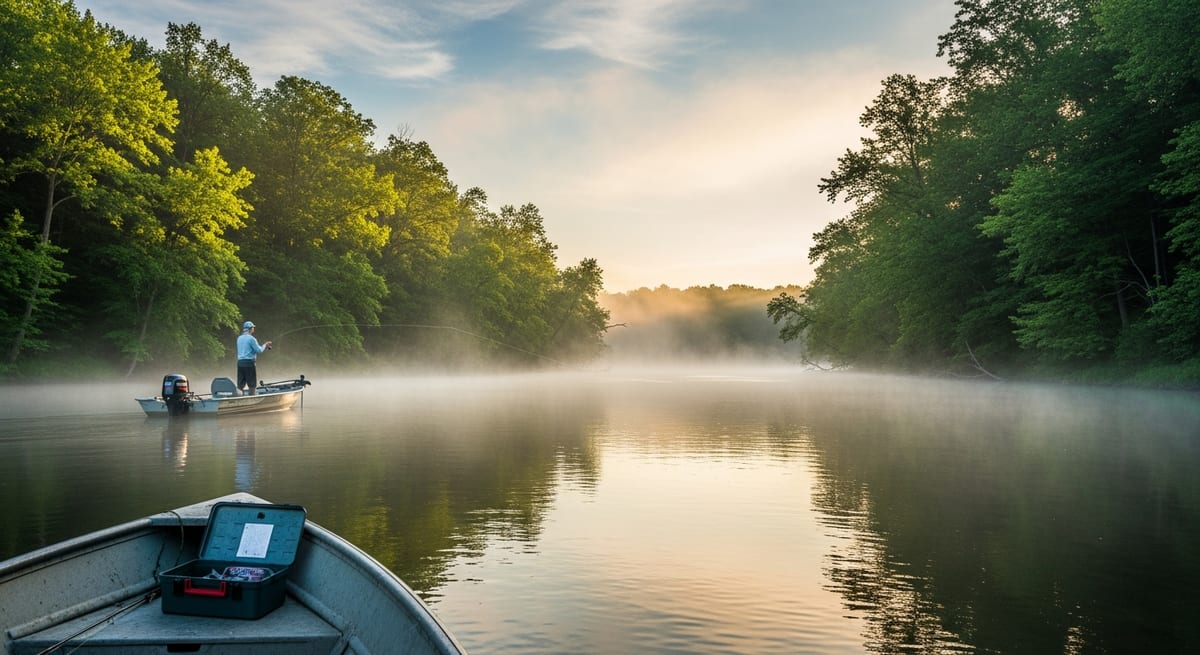
Smallmouth bass are pound-for-pound one of the hardest-fighting freshwater fish you can catch. In Connecticut, they don't get nearly the attention that largemouth do, which is exactly why the fishing is so good. Less pressure, bigger fish, and they live in water that's genuinely beautiful to be on.
Where Smallmouth Live in CT (vs. Largemouth)
Smallmouth bass prefer cooler, cleaner water than largemouth. In Connecticut, that means:
Rivers: The primary smallmouth habitat in CT. The Connecticut River (above Hartford), Housatonic River (Shepaug to Derby stretch), Salmon River, and Natchaug River hold solid smallmouth populations. Any CT river with cobble bottom, clear water, and riffles is worth scouting.
Clear, cool lakes: Highland Lake (Winsted), East Twin Lake, Wononscopomuc Lake (Salisbury), and the lakes in Litchfield County generally. These tend to have rocky structure, clear water, and cold-water depth that smallmouth prefer.
What they relate to: Smallmouth are structure fish, ledge rock, submerged boulders, current seams behind rocks, the inside bends of rivers. In lakes, look for rocky points, gravel/cobble shorelines, and any visible rock structure.
What they don't like: Shallow, warm, weedy, silty water. That's largemouth territory. If you're fishing a pond covered in lily pads, you're fishing for the wrong species.
Seasonal Patterns
Spring (pre-spawn, April-May): Smallmouth move shallow to spawn when water hits 55-65°F. Males guard nests on gravel or cobble substrate in 2-6 feet of water. They're aggressive and will hit almost anything near the nest, but practice catch-and-release during the spawn and don't keep fish off beds.
Early summer (June-July): Post-spawn smallmouth scatter and start feeding hard. In rivers, fish current seams and eddies behind big rocks. In lakes, target rocky points and deeper structure (10-20 feet). Topwater in early morning and evening, watching smallmouth destroy a popper is as good as it gets.
Late summer (August): Fish go deep in lakes as surface temps peak. River fishing stays productive because current keeps water cooler. Tube jigs and drop shots work well. Morning and evening windows are more important than in cooler months.
Fall (September-October): Pre-winter feed-up. Smallmouth move shallow again, and the fish are fat and aggressive. Fall river fishing is arguably the best of the year. Big swimbait and jerkbait presentations produce the largest fish of the season.
Tackle and Tactics
The go-to river rig: A 4-inch tube jig (green pumpkin, smoke, or watermelon) on a 3/16 oz jig head. Cast upstream, let it drift along the bottom with the current, feel for the tap. This rig catches smallmouth in CT rivers year-round. It's not fancy. It works.
Topwater (when they're shallow): A Heddon Zara Spook or a Rebel Pop-R around rocky points at dawn and dusk. Smallmouth on topwater in clear water is one of the best experiences in freshwater fishing. Work it slow, pause, twitch, pause.
Ned rig: A 3-inch Ned worm on a 1/16 oz Ned rig head. Basically impossible for a smallmouth to ignore. Great for pressured water and picky fish.
Jerkbaits: A Rapala X-Rap or Husky Jerk in natural colors (perch, shad). Deadly in clear water and especially in fall.
Line: 10 lb fluorocarbon on spinning gear for clear water situations. Braid-to-fluoro leader setup for most river fishing. Smallmouth in clear water are line-shy, lighter line gets more bites.
The CT River for Smallmouth: What to Know
The Connecticut River is an underutilized smallmouth fishery that most CT anglers drive past on their way to the coast. From Enfield Dam south to Hartford, the river holds a solid population of 12-18 inch smallmouth with occasional fish to 20 inches.
Access: Several boat launches (DEEP sites at Windsor Locks, Enfield) and walk-in access points. A kayak or canoe opens up significant water that shore anglers can't reach.
What works: Tube jigs and small swimbaits in the current seams. Fish the edges of the main channel where flow slows behind rock piles and submerged structure. The section just below Enfield Dam can be exceptional in early summer.
Timing: Morning on weekdays. Weekend boat traffic on the Connecticut River is significant in summer, fishing pressure and wave action make mornings before 9 AM the best window.
Note: The CT River has had water quality issues historically, but has improved substantially. Check CT DEEP advisories on eating fish from the river. We'd recommend catch-and-release here anyway.
EVERY SATURDAY MORNING
Weekly fishing intelligence
Nationwide conditions, what's biting, and honest gear deals. One email, no noise.
No spam. Unsubscribe anytime.