
CT Harbor Regulars Report the Snapper Blitz Peaks in the First 90 Minutes of Incoming Tide, Not All Afternoon. What Niantic Bay, New Haven Harbor, and Connecticut River Mouth Communities Reveal About the July through September Window, Shore Access Points, and DEEP Regulations for Juvenile Bluefish
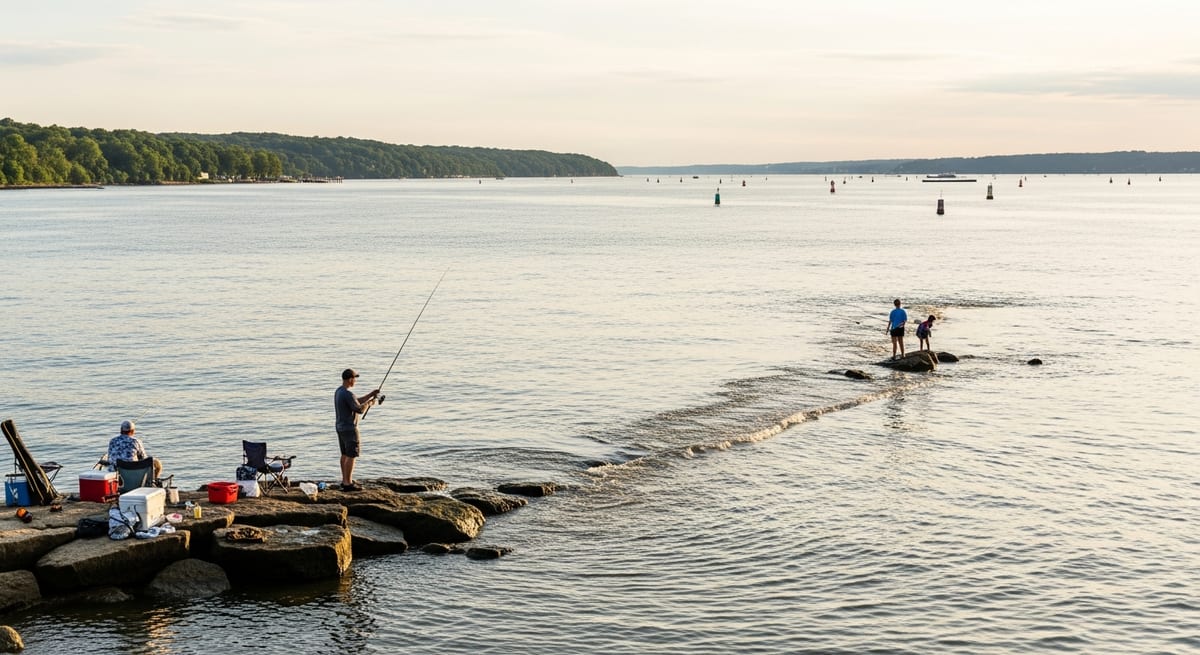
Anglers fishing Niantic Bay's tidal cove report that the snapper blitz often opens within the first hour of incoming tide and can shut off completely once the baitfish school pushes through the cove. Reaching a flat, quiet surface 45 minutes after the bite peaked is a common experience for anglers who don't factor tide into their session timing. Snapper blues are juvenile bluefish that move into Connecticut's tidal harbors and sheltered coves from mid-July through September, typically reported at 6 to 12 inches through most of the summer by CT shore anglers, with September fish reaching 14 inches or more in some years. Community reports from Niantic, the Connecticut River mouth, and New Haven Harbor describe the same pattern: the blitz is tide-dependent, tightly concentrated, and worth timing precisely.
The Arrival Window: When CT Harbor Reports Turn Active
Snapper blues are the offspring of adult bluefish that spawn offshore in spring. They reach Connecticut's inshore harbors beginning in mid-July, with the first reliable seasonal reports typically coming from Niantic Bay, the Connecticut River mouth near Old Saybrook, and New Haven Harbor. Local tackle shops are the fastest source of confirmation each season, often posting snapper arrival updates within 24 hours of the first blitzes. DEEP coastal habitat monitoring identifies snapper blues as a reliable inshore summer species across Connecticut's Long Island Sound shoreline, consistent with the July-through-September window anglers report year after year.
By late July, shore-angler reports from across the CT coast describe active fish in most accessible tidal coves. The fish grow through the season: anglers at Niantic and Rocky Neck consistently report distinctly larger fish in September than in July, with the largest reaching 14 to 16 inches by late summer.
Niantic Bay, New Haven Harbor, and Four Other Named Access Points
Niantic Bay tidal cove and Niantic River: The most consistently cited snapper location in CT shore-fishing communities. The sheltered cove and lower river hold fish from July through September; the town docks and the Route 156 bridge area are accessible on foot. The incoming tide change is when blitzes are most frequently reported here.
Rocky Neck State Park cove: The tidal cove behind the park beach concentrates snappers during summer afternoons and evenings. State park vehicle fee applies in-season; the cove shoreline is walkable without a boat.
New Haven Harbor: Lighthouse Point Park, the Quinnipiac River mouth, and the Fort Hale Park area all provide shore access. Shore communities describe reliable snapper presence from late July forward, often visible as surface feeding from public walkways along the harbor.
Connecticut River mouth (Old Saybrook and Essex): The river holds snappers into September. The Essex town dock and the Old Saybrook waterfront provide shore access; boat launches at Essex allow access to mid-river schools and sheltered coves on both banks.
Housatonic River mouth (Stratford and Milford): Less frequently cited in community reports than Niantic or New Haven, but anglers fishing the Stratford side describe reliable late-summer snapper presence. The Stratford town boat launch and adjacent shoreline provide access without a boat.
Why Light Tackle Changes the Experience
Shore and dock communities consistently report that heavy gear reduces what the fish can do. A medium-light 6 to 7-foot spinning rod with a 2000 or 2500 series reel and 8 to 10 lb monofilament lets the fish fight, extends session enjoyment, and handles September snappers without issue.
On leaders: snapper teeth at this size are less developed than adult bluefish, and the shore-fishing consensus is that 12 lb monofilament or fluorocarbon is adequate without wire. Bite-offs on larger September fish do occur on light fluoro. Anglers who fish Niantic in late summer report moving to 20 lb fluoro leaders for bigger fish without a significant drop in strikes.
For hooks, 1/0 to 2/0 treble or single hooks are standard. Communities that target snappers for catch-and-release or fish with younger anglers often prefer single hooks for safer, easier removal.
What Works When the School Is Feeding, and When It Isn't
During an active blitz: A 1/4 oz metal lure retrieved at medium-fast speed through a feeding school is the most efficient presentation CT shore communities describe. An Ava-style jig, Kastmaster, or Croc spoon in silver or gold are the most common choices. When fish are boiling on the surface, almost anything moving through the upper water column at the right speed will draw strikes.
Small plugs: A 3 to 4-inch Gotcha plug in pink or chartreuse is a staple across CT dock communities for snapper blues. The moderate retrieve speed and erratic action produce strikes when metal lures are drawing swipes without connecting. Rebel minnow-style plugs in 2 to 3-inch size have similar community reports behind them.
When the school is holding but not feeding actively: A small live bait presentation with grass shrimp, killifish, or a spearing on a small hook below a light float is the most frequently cited solution among anglers fishing Niantic during slower incoming-tide periods. Shore communities describe this as less exciting but more consistent when the blitz has quieted but fish are still visible near structure.
CT DEEP Regulations and Licensing: What Applies to Snapper Blues
Bluefish in Connecticut are subject to DEEP Marine Fisheries regulations. As of the 2025 season, the minimum size limit for bluefish is 8 inches total length and the daily possession limit is 3 fish per person. Many early-season July snappers fall below 8 inches and should be released. Anglers should verify current regulations at the CT DEEP Marine Fisheries website before each season, as Atlantic bluefish management limits have been adjusted through periodic ASMFC regional review.
Licensing: adults 16 and older are required to hold a CT Marine Fisheries License for saltwater fishing from shore. Children under 16 are exempt from the license requirement under current CT DEEP regulations. The DEEP online license portal at ct.gov/deep is the current source for accurate fee and requirement information for the 2025 season.
What Shore Communities Report About Session Timing and the Productive Window
The consistent thread across Niantic Bay and New Haven Harbor shore communities is that productive snapper sessions are timed to the tide, not scheduled around convenience. Anglers who consistently find fish describe arriving 30 to 45 minutes before incoming tide begins, scanning the cove for surface baitfish activity before casting, and being positioned when the first feeding push arrives.
Evening sessions from roughly 5 to 8 PM in July and August align with tidal timing and reduced surface chop in sheltered coves, conditions that make the baitfish-and-bluefish dynamic most visible from shore. September sessions shift earlier as daylight shortens.
Shore communities also note that 60 to 90 minutes is the practical productive window for most snapper blitz sessions before the school moves or the tide pushes the bait out of the cove. A landing net and long-nose pliers for unhooking are worth carrying. Snapper teeth at 10 to 12 inches draw blood on careless hands, and quick, confident unhooking is the practical detail that separates a clean session from a frustrating one.
Recommended Gear for Snapper Bluefish
These picks match the light tackle setup described above and are in the Hooked Fisherman gear catalog with verified Amazon listings. They are affiliate links (commission at no cost to you).
- St. Croix Triumph 6'10" Medium-Light Fast spinning rod: inside the 6 to 7-foot medium-light range the light tackle section recommends.
- Shimano Sienna FG 2500 spinning reel: a 2500 series reel, the size named above.
- Ava Diamond Jig: an Ava-style metal jig for working through a feeding school. The blitz section points to 1/4 oz lures, so check the weight on the listing before ordering.
- Cuda Titanium Bonded Pliers 8": long-nose pliers for the quick unhooking that snapper teeth call for.
Before heading out, check the latest Connecticut fishing reports for what is running in the coves right now.
EVERY SATURDAY MORNING
Weekly fishing intelligence
Nationwide conditions, what's biting, and honest gear deals. One email, no noise.
No spam. Unsubscribe anytime.