
The CT Striper Slot Limit Generates More Access-Point Citations Than the Old Single-Minimum Did. Shore Communities at Niantic, the Housatonic Mouth, and the Race Describe the Same Fork-Length Measurement Errors Each Spring, and EnCon Enforcement Concentrates at the Same Launches During the Migration
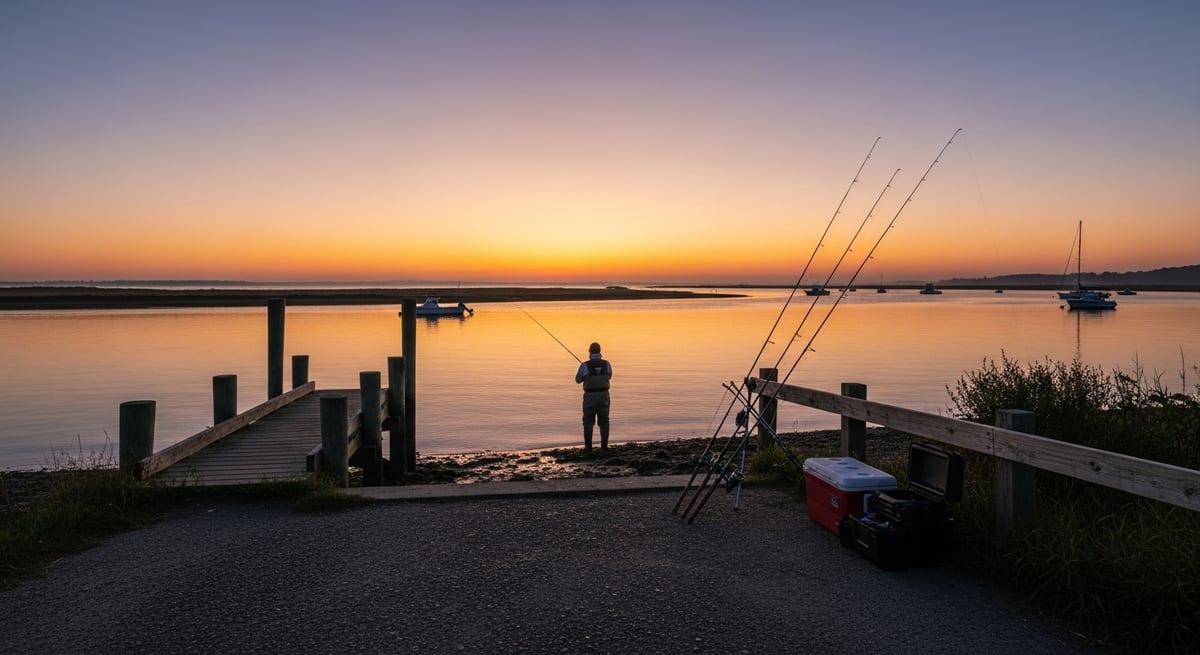
Anglers fishing the Housatonic mouth and Niantic Bay boat launches through the transition from single minimum-size rules to the current slot system report that most violations they witness don't trace to deliberate poaching. They come from fork-length measurement errors and confusion about which sections of tidal river carry spring closures. CT striper communities on Long Island Sound and the major tidal rivers have flagged the same friction points repeatedly: what 'fork length' means on a fish lying flat at the rail versus squeezed at the tail, whether the circle hook requirement covers every natural-bait setup or only specific conditions, and when state versus federal jurisdiction changes the rules offshore. Shore and boat communities from the Race to the Connecticut River mouth describe the current slot limit as manageable once the measurement protocol locks in, but the adjustment from the old single-minimum approach produces citations every spring at access points EnCon officers consistently patrol. Regulations here draw from DEEP's published rulebook and ASMFC rebuilding mandates; verify current slot dimensions at ct.gov/deep before each season, as the specific numbers have shifted more than once in recent years.
The 28-to-35-Inch Window: What Fork Length Actually Means at the Rail
Connecticut's current slot limit for striped bass, one fish per person per day between 28 and 35 inches fork length as of the 2025-2026 season, protects both ends of the reproductive curve. Fish below 28 inches (juveniles that haven't yet spawned) and fish above 35 inches (large females carrying the highest egg-production value) must be released. Verify the specific slot dimensions at ct.gov/deep each season; the numbers have changed in response to updated ASMFC stock assessments and are not guaranteed to hold year to year.
Fork length specifically: measured from the tip of the closed mouth to the deepest fork of the tail. The tail is not pinched or squeezed to extend it. This is the measurement error CT shore communities at Niantic and the Housatonic launch report seeing most consistently at the access point, and the error EnCon officers cite during peak-run enforcement. A tape pressed flat along the lateral line, mouth closed, tail held naturally.
CT kayak and boat anglers who fish the Housatonic mouth and the Connecticut River access points note that the 35-inch upper cutoff surprises anglers trained on the old single-minimum system. A fish that qualified as a legal keeper under the previous standard may now be an out-of-slot release. The one-fish-per-day bag limit is firm; possession of two or more fish is a separate, more serious violation than a slot-measurement error.
Spring River Closures and Zone Boundaries: Where the Season Is Not Year-Round
Striped bass season in Connecticut's tidal waters runs year-round in most locations, but specific river sections carry spring closures that catch visiting anglers off guard. The Connecticut River below Enfield Dam has a closure period during peak spawning aggregation, typically running through April and into May, when large females concentrate in the river before moving back to coastal waters. Shore communities fishing the lower Connecticut River, particularly around Haddam and the Chester area, describe the spring closure as the regulation most commonly violated by anglers driving in from out of region who assume season is open everywhere.
The rules differ by zone. Long Island Sound coastal waters, inland tidal rivers, and the offshore federal waters at the Race each carry specific provisions in the DEEP regulation book. The boundary anglers on the Sound need to know: once in federal waters, NOAA recreational regulations apply, and the specific slot dimensions may differ from Connecticut's state rules. CT charter captains running to the offshore ridges typically brief passengers on this boundary before departure.
Consult the DEEP Marine Fisheries Division's current regulation summary for zone-specific language rather than relying on what was in force last season, zone provisions are among the details most likely to have been updated under the ongoing ASMFC rebuilding framework.
Why the Biggest Fish Must Go Back: ASMFC's Rebuilding Logic and What Communities Observe
The Atlantic striped bass population declined steadily from the late 2010s into the early 2020s, prompting ASMFC to mandate rebuilding measures that Connecticut adopted into state regulations. The slot limit's two-sided logic targets the most vulnerable population segments: juvenile fish below the slot that haven't yet spawned, and large females above it whose reproductive output is disproportionate to their numbers.
Anglers who follow the ASMFC stock assessment releases note the data behind the upper cutoff is stark. A 40-inch female produces roughly 20 times more viable eggs per pound than a 20-inch fish, and those eggs have higher survival rates according to published ASMFC reproductive studies. Boat communities fishing the Sound and the Race during the fall offshore push describe a cultural shift in recent seasons: anglers who previously targeted trophy-class fish now release anything above 35 inches without discussion, having internalized what those fish represent to the run's long-term health.
Based on ASMFC's most recent stock assessment data, the population remains in a rebuilding phase as of 2025. The consensus among CT striper communities on both shore and boat is that the slot limit's underlying logic is sound, protecting large spawning females during the fall offshore push while also releasing juveniles from the spring nearshore run covers the full life-cycle segment the rebuilding plan requires.
Circle Hook Compliance: Which Natural-Bait Setups Trigger the Requirement
Connecticut and federal regulations require non-offset circle hooks when targeting striped bass with natural bait in applicable tidal waters, but the specific conditions have generated consistent confusion among anglers used to more general bait regulations. The requirement applies to natural bait presentations: whole or cut fish, chunk baits, and live bait setups in state tidal waters where the regulation is in effect. Shore communities fishing chunk baits along the LIS shoreline and at the Housatonic and Niantic mouths describe the requirement as straightforward once you've made the switch, but the 'non-offset' specification catches anglers who assumed any circle hook qualified.
What 'non-offset circle hook' means: The hook point turns back toward the shank, perpendicular to it, creating a circular geometry. The point must be inline with the shank, not bent to the side. The Mustad Demon Perfect Circle and Gamakatsu Octopus Circle in non-offset configuration are the standards in the CT striper bait community. Wire in the 5/0 to 8/0 range covers most chunk and live-bait presentations.
Setting technique: Do not sweep the rod. When the fish loads the line, reel down and apply steady pressure. The hook slides to the corner of the mouth and self-sets as the fish moves away. CT boat anglers who switched from J-hooks report the adjustment takes a full session to feel natural. Verify the specific scope of the circle hook requirement, vessel type, water zone, in the current DEEP regulation book, as the language has been updated in recent seasons.
Where Enforcement Concentrates and What Violations Actually Cost
CT DEEP EnCon Police consistently patrol the Housatonic mouth, the Niantic River launch area, and the major Connecticut Sound shore access points during peak migration windows, spring coastal arrival and the fall offshore push. Based on patterns reported across CT striper communities, officers check fishing licenses, confirm fish fall within the slot, verify bag-limit compliance, and inspect natural-bait rigs for circle hook compliance. The Niantic and Housatonic access points draw particular attention because they concentrate both shore anglers and trailered boat traffic in a compact area.
Reported penalty ranges for CT striper violations, based on DEEP's published schedule and court-reported cases: slot or size infractions typically carry fines in the $150-$250 range per fish for a first offense. Possession of multiple out-of-slot fish, or any combination of violations on the same trip, escalates toward the $500-$1,000 range depending on quantity and whether the case proceeds to prosecution. Fish subject to a violation are typically seized. Repeat violations within the same season draw heavier penalties under current DEEP enforcement posture; always consult DEEP's published fine schedule for current amounts.
Report suspected violations: CT DEEP EnCon Police tip line at 1-800-842-HELP (4357). The striper community on the Sound treats enforcement reporting as a shared resource management tool. The population's rebuilding trajectory depends partly on compliance pressure at the access level.
EVERY SATURDAY MORNING
Weekly fishing intelligence
Nationwide conditions, what's biting, and honest gear deals. One email, no noise.
No spam. Unsubscribe anytime.