
The Long Island Sound Striper Migration Runs Four Distinct Windows, and Each One Requires a Different Approach
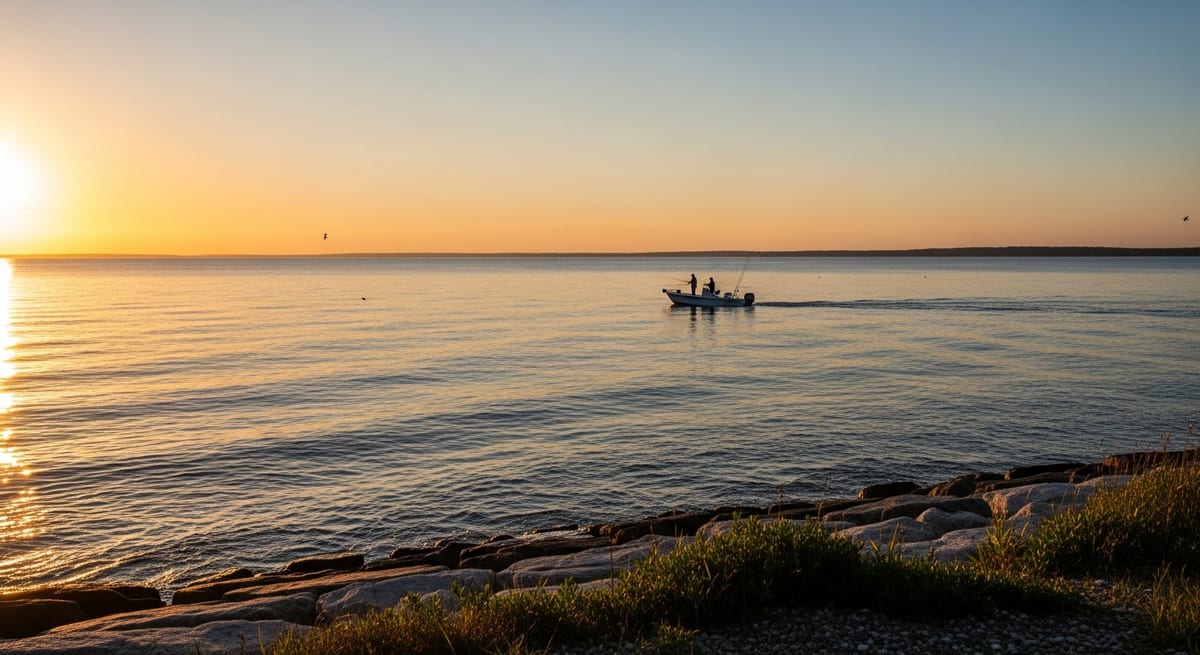
Anglers fishing the Connecticut River mouth in early October consistently report some of the largest stripers of their season, in water most Sound regulars abandoned weeks earlier, assuming the run was over. The fish are still there. The bunker schools are still moving. The only thing missing is the crowd. Striped bass are Connecticut's most-targeted saltwater species, and the migration running through Long Island Sound is one of the most accessible big-fish opportunities on the East Coast. But CT striper fishing isn't a single season with one playbook. It unfolds in four distinct phases from April through November, each demanding a different location, tidal window, and approach. The spring push into the western Sound, summer holdovers on eastern structure, the fall run that most anglers underestimate, and the November window serious Sound anglers quietly protect each reward different preparation.
Four Phases: How the CT Migration Actually Unfolds
Striped bass are anadromous. They spend most of the year in saltwater but spawn in freshwater rivers. The fish moving through Connecticut are primarily associated with the Chesapeake Bay spawning population, with Hudson River fish contributing seasonally; the exact blend varies by year and isn't easy to track from shore.
Spring arrival (late April-May): Stripers begin showing in CT waters in late April, typically entering the western Sound first as water temperatures climb. Fish reach solid numbers in Long Island Sound sometime in May, though in documented cold-water years, the push has stretched into early June. Water temperature drives this window more than the calendar does; when the Sound climbs into the mid-50s°F, expect fish. Spring often delivers the largest fish of the year: post-spawn stripers in the 30-45 inch range mixed among schoolies.
Summer (June-August): A resident population holds in the eastern Sound through summer, particularly around Fishers Island, the Race, and the rocky offshore reefs, with some fish remaining in CT river channels. The productive windows are first light, last light, and overnight. Getting on the water before 7 AM or after 9 PM in July and August is what separates consistent summer results from dead-time fishing.
The fall run (September-November): CT guides and experienced Sound regulars consistently flag the same pattern: most anglers chase July schoolies and abandon the season entirely, missing October completely. Large numbers of fish follow menhaden (bunker) schools moving southward from late September through November, actively feeding, often in visible surface blitzes you can spot from shore. Stripers are also at their heaviest weight of the year during the fall run. The Connecticut River mouth and the rocky eastern coast consistently produce the largest fish of the season in this window.
November and exit: By late November, water temperatures drop below the striper comfort range and most fish push south. In some years, stragglers hold near warm-water discharges and sheltered harbors into December, worth a check if you're still hunting a late-season fish.
The Rocky Shore Game, structure, Access, and When to Show Up
Rocky points and jetties are the core of CT shore striper fishing, not beaches. Baitfish concentrate in the eddies behind rocks, and stripers ambush them there. Anglers who've shifted from flat sandy beach to rocky structure consistently report improvement in both numbers and size.
Shore spots worth knowing:
- Stonington Breakwater: One of the most consistent shore striper spots in the state. Rocks concentrate fish year-round; regulars report exceptional night action in October.
- Bluff Point State Park (Groton): South-facing rocky shoreline, solid tidal current, free public access. A consistent early-morning fall spot among regulars, particularly during the September-October run.
- Rocky Neck State Park: Accessible rocky structure on the eastern Sound with parking. Productive from May through November.
- Connecticut River mouth (Old Saybrook/Old Lyme): Shore access on both sides of the river; particularly strong in spring and fall when fish stage in the channel.
Lures for shore: A 5-inch swimming plug in white or olive. The Bomber Long A, SP Minnow, and similar needle-style minnows all fall in this category, is the most versatile choice at dusk and dawn. It covers more of the water column than a surface plug and draws strikes from fish that won't commit to the surface. Switch to a popper when fish are busting on top. Metal jigs (Hopkins, Hogy-style slab jigs) earn their keep when fish are feeding at distance or at depth. Bucktail jigs tipped with a shad tail are underused for slow rocky-bottom retrieves.
Bait fishing from shore: Fresh or salted bunker chunks are the most reliable bottom bait in CT. Whole sandworms on a simple bottom rig produce consistently through the season, especially in spring. For large fish specifically, live eels at night from a rocky point are widely regarded among CT shore anglers as the most effective big-striper technique available, and the one most anglers skip because it means staying out past midnight.
What a Boat Opens Up, offshore Reefs, River Channels, and Following Blitzing Fish
A boat doesn't guarantee better fishing, but it opens water that's impossible to reach from shore, offshore reefs, river channels at depth, and the ability to stay on blitzing fish when they push away from the bank.
Trolling: Umbrella rigs and large swimbaits trolled at 3-5 mph cover ground efficiently and locate feeding fish. Many CT boat anglers troll until they mark a school on the fishfinder, then anchor or drift to work it more precisely.
Jigging structure: The rocky reefs and underwater humps in the eastern Sound hold stripers on structure throughout the season. Drop jigs to bottom and work them on a yo-yo retrieve. This produces fish when surface activity is absent, which describes most summer daylight hours.
Chunking: Anchoring over productive bottom and sending fresh bunker chunks down is the standard approach for large stripers from a boat. The Connecticut River channel in fall is a classic chunking location; when the bunker push moves through in late September and October, stripers stack in the channel and patient chunk fishing can be exceptional.
Fly fishing from a boat: During a fall bunker blitz, a properly presented streamer gets destroyed, and CT anglers who've made the switch from hardware to fly during blitzes describe it as among the most visually exciting fishing in northeast saltwater. Fishers Island Sound and the eastern Race are the areas experienced fly anglers target during the October run.
CT Striper Regulations, what's Changed and Where to Verify
Striper regulations have tightened considerably over the past decade and continue to shift as ASMFC stock assessments come in. Connecticut follows ASMFC interstate management guidelines, which have generally moved toward more restrictive slot limits and reduced bag limits in response to population data.
The current framework has recently been structured around a one-fish daily limit with a defined size slot. Verify the current CT striper regulations directly at ct.gov/deep before you fish. Striper regs have shifted meaningfully multiple times in recent seasons; do not rely on last year's memory or a friend's recollection.
Circle hooks are required for bait fishing under certain configurations per recent ASMFC guidance; check the current CT DEEP requirements for your specific rig before rigging up.
The spawning stock has declined from its 1990s peak and has shown sensitivity to harvest pressure across multiple ASMFC stock assessments. Many experienced CT striper anglers voluntarily release fish over 35 inches. The prime spawning females, regardless of what the regulations permit. The rationale is straightforward: large females produce disproportionately more eggs, and voluntary release of the top end of the size range is one of the few levers individual anglers control. The stock has recovered before with sustained effort; practices at the water add up over a season.
Tide Windows, Moon Phases, and Weather, how Experienced Sound Anglers Schedule Their Trips
Tidal movement is the most important timing factor for CT striper fishing, more important than weather, more important than time of day. Experienced CT striper anglers consistently rank tidal movement above all other variables. Stripers feed most actively during tide transitions, when current is moving; slack water (the period at high or low tide when movement stalls) is the window guides most frequently avoid. The outgoing and incoming tides, particularly at peak current, consistently outproduce slack.
Moon phases: Large tide swings during new and full moons produce the strongest currents and typically the most aggressive feeding periods. Many experienced CT striper anglers plan their trips around moon and tide calendars rather than open availability. For anglers scheduling vacation days around fishing, running the tide tables first and anchoring those days around new or full moon phases is the approach most serious Sound regulars use.
Time of day: Dawn and dusk are productive throughout the season. Night fishing, particularly with live eels or large swimming plugs from rocky structure, is the most reliable approach for large stripers from late May through October. Summer midday (9 AM to 5 PM) in July and August is often slow; fish are present but typically inactive during peak heat. A slow afternoon in July doesn't reflect what the season actually delivers.
Weather windows: Stripers often feed aggressively as a front approaches and the barometer drops. Post-storm conditions with clearing skies and a stabilizing barometer are frequently productive, cT charter captains and Sound regulars consistently report strong catches within 24 hours of a northeast blow moving through, particularly in fall.
EVERY SATURDAY MORNING
Weekly fishing intelligence
Nationwide conditions, what's biting, and honest gear deals. One email, no noise.
No spam. Unsubscribe anytime.