
Striped Bass Fishing in Connecticut: A Complete Guide
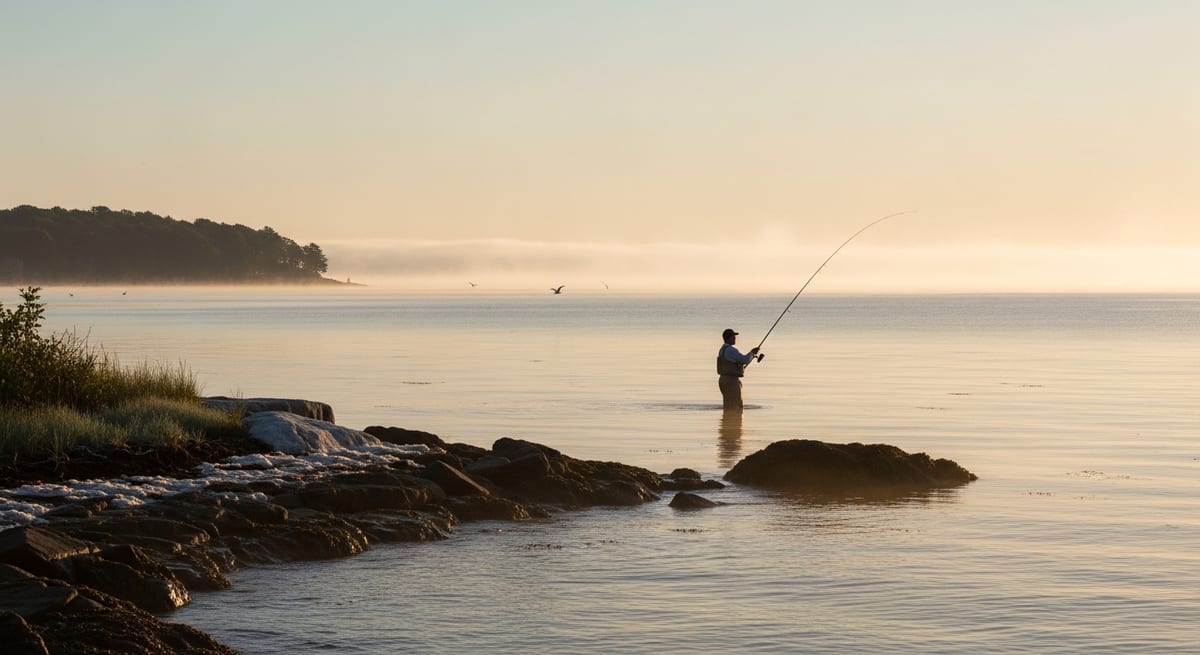
Striped bass are Connecticut's defining saltwater sportfish. The reason generations of CT anglers have rigged up in the dark, stood on cold jetties in October, and spent weekends chasing that distinctive head shake. Stripers demand more of you than bluefish: they're more selective, more structure-oriented, and more affected by tides and conditions. When you crack the code on CT striper fishing, it's one of the most rewarding experiences in New England fishing.
The Connecticut Striper Season
Connecticut's striper season follows the Atlantic coast migration, and timing your fishing around peak movements is the difference between good fishing and exceptional fishing. Spring arrival (May): School stripers (14-28 inches) arrive in LIS in early May following the bunker migration. The first fish of the season show up around the Housatonic River mouth and eastern Sound, pushing west as water temperatures rise. Peak spring fishing: Late May through June, with fish throughout the Sound. Early season fish are hungry from the offshore winter and aggressive. Summer fishing (July-August): Stripers are present but fishing can be inconsistent as water temperatures peak. Large fish often move to cooler, deeper water. Night fishing becomes important in July and August. The best summer action comes at dawn and dusk and after dark. Fall run (September-October): The peak striper season in Connecticut. Larger fish (30-50+ inch class) move through LIS heading south, herding bunker and filling up for winter. October is the single best striper month on the CT coast, big fish, aggressive feeding, and less boat pressure than summer. The fall run typically ends with the first sustained cold fronts of November.
Essential Striper Gear
Striper gear varies enormously based on fishing method. Surf fishing setup: 10-11 foot surf rod rated for 2-6 oz, matched with a 5000-6000 series saltwater reel. 30 lb braid main line with a 3-foot 30 lb fluorocarbon leader. Heavy enough to cast large lures and chunk bait, handle big fish in current, and keep you connected when surf conditions are rough. Boat and kayak fishing: A 7-7.5 foot medium-heavy rod with a 4000-5000 size reel handles most boat applications. 20 lb braid with a 25 lb fluorocarbon leader. For live lining bunker from a boat, move up to heavy conventional (boat casting) tackle. Fly fishing for stripers: A 9-weight or 10-weight fly rod with a full-sinking or intermediate-sink line. Large Clouser Minnows (size 4/0-6/0), Deceiver patterns, and sand eel imitations work. Striper fly fishing is particularly productive on shallow flats and estuaries at dawn and dusk.
Top Striper Techniques
Striped bass can be caught by multiple methods, and successful CT anglers typically master several. Bunker fishing: When bunker (menhaden) are present, stripers concentrate around them. Using a cast net to snag a live bunker and drift it on a circle hook behind a float or fish-finder rig produces big fish. Bunker chunk on the bottom under a lighthouse or bridge piling is a classic CT trophy striper method. Lure fishing, surface: Popping plugs and walk-the-dog style stickbaits (Bomber Long A, Heddon Super Spook) produce spectacular topwater strikes in low-light conditions. Dawn and dusk surface fishing during striper season is worth specifically targeting. Lure fishing, subsurface: Heavy bucktail jigs (1-2 oz) retrieved through current rips and over structure are excellent all-season striper lures. Shad-style swimbaits, Zoom Super Flukes, and soft plastic paddletails all produce. Swimming plugs (Bomber Model A, Yo-Zuri Mag Darter) worked at dawn and dusk are extremely effective in fall. Night fishing: Stripers feed most actively after dark throughout the season. Quiet, well-lit dock areas attract baitfish, which attract stripers, work the light/dark transitions. Black surface plugs and large soft plastics at night produce fish that daytime pressure won't touch.
Finding Stripers in Long Island Sound
Structure and current are the two keys to finding stripers consistently in LIS. Where these elements intersect is where fish hold. Current rips and tidal flows: The Race (eastern LIS near Fishers Island) is famous for its powerful tidal currents. Stripers stack in the rips. The Sill (central LIS shallow area between New Haven and Long Island) creates current acceleration over the shallower bottom that concentrates baitfish. Any significant tidal rip is worth investigating at peak current flow. River mouths: The Housatonic, Connecticut, Thames, Niantic, and Pawcatuck rivers all produce striper fishing, particularly on outgoing tides when baitfish flush out of the rivers. Early and late season striper action near river mouths is some of the most consistent in the state. Jetties and rocky structure: Every significant CT harbor has striper populations around the jetties. The current flowing around jetty ends creates the same feeding environment as natural tidal rips. Accessible shore fishing with excellent striper potential. Bunker schools: Track where bunker schools are holding. Stripers are almost certainly nearby. Breaking birds (terns, diving gannets) over the water surface indicate baitfish under attack. Any surface commotion is worth investigating.
Regulations and Conservation
Connecticut striper regulations have tightened dramatically in recent years reflecting serious population decline concerns from the ASMFC stock assessment. Current regulations (verify at ct.gov/deep annually. These change): Minimum size: 35 inches for the recreational fishery in recent years. Daily limit: 1 fish per angler. Slot regulations: Some years have included slot limits protecting the largest, most reproductively important female stripers. The large female stripers (40+ inches, 20+ lbs) carry disproportionately large egg masses and represent the most important fish for population recovery. Many CT striper anglers practice strict catch-and-release, particularly for fish over 30 inches, regardless of legal status. This is a scientifically sound and widely practiced ethic in the striper community. Handling large stripers: Keep fish horizontal, not vertical. Support the body. Minimize air exposure. Return head-first with reviving motion if the fish is stressed. A healthy returned fish contributes to future reproduction.
EVERY SATURDAY MORNING
Weekly fishing intelligence
Nationwide conditions, what's biting, and honest gear deals. One email, no noise.
No spam. Unsubscribe anytime.