
CT Shore Casters at Old Saybrook, Hammonasset, and Stonington Report That Tidal Windows, not Casting Distance, drive Long Island Sound Surf Results. What Shore Regulars and CT DEEP Public Access Data Reveal About Reading Structure, Gear, and the April-Through-November Species Calendar
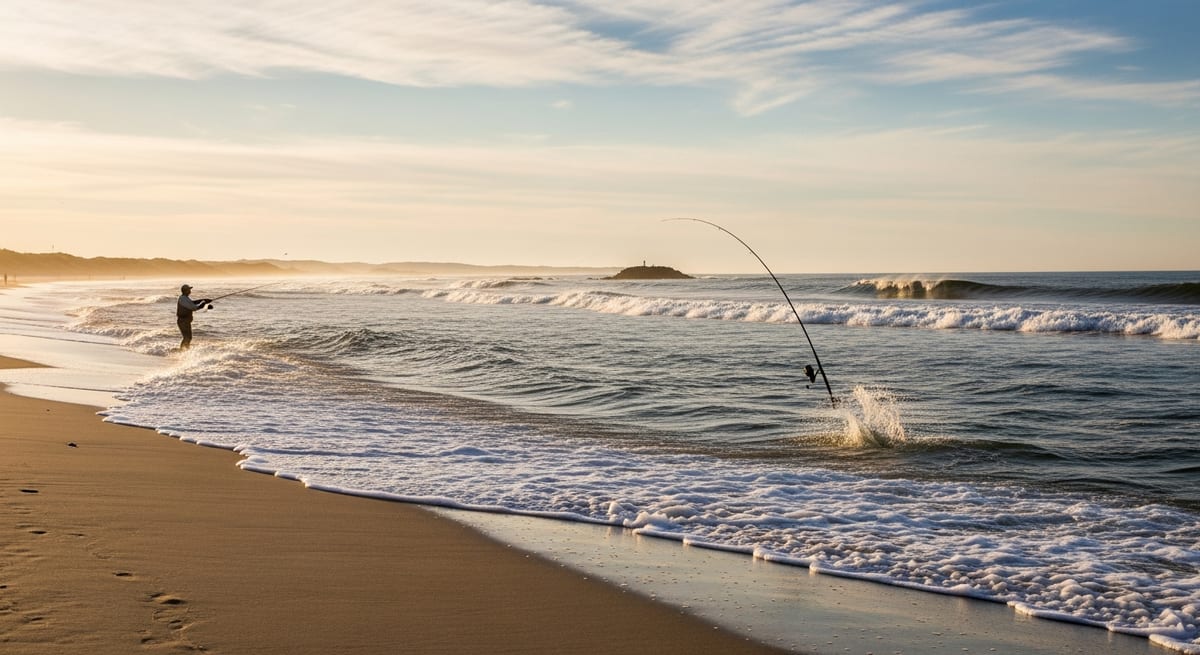
Anglers who fish Old Saybrook's North Jetty during the first two weeks of October consistently report that the outgoing Connecticut River tide concentrates menhaden densely enough to pull 30-40 inch stripers within casting range of shore, no boat, no mooring fee, no launch ramp. That pattern repeats across Long Island Sound's public shore access network: Silver Sands State Park in Milford, the rocky points at Hammonasset Beach State Park in Madison, and the Stonington Borough jetties all produce similar windows when tidal timing aligns with baitfish movement. The CT surf fishing community broadly holds that reading tidal structure from the bank, knowing where fish will be before the water gets there, is the skill that separates consistent shore casters from blank trips, and that casting distance is secondary to position and timing. Before fishing, anglers should verify current saltwater registration and licensing requirements directly at the CT DEEP website (portal.ct.gov/DEEP), as categories and fees are updated periodically. Species-specific regulations including striper size and slot limits and bluefish daily bag limits also apply; CT DEEP's current Marine Waters Regulations booklet is the authoritative source and should be checked before each season.
What Long Island Sound Shore Regulars Actually Run: The Gear Consensus Among CT Surf Casters
Rod: Shore casters working CT's jetties and rocky points favor a 9-10 foot medium-heavy surf rod. The length clears breaking waves and generates the casting distance needed to reach fish holding beyond the first wave set. Penn Prevail II and Ugly Stik Bigwater are cited repeatedly on CT surf fishing forums as the benchmark value rods for anglers prioritizing durability on salt-spray-heavy shorelines.
Reel: A 4000-6000 size spinning reel with a full metal body and carbon fiber drag handles the demands of rocky-shore CT surf fishing. Penn Battle III 4000 comes up consistently in shore-fishing discussions as the value benchmark, not the lightest option, but CT regulars who fish jetty rock report it takes the abuse without requiring immediate servicing.
Line: 30-50 lb braid with a 20-30 lb fluorocarbon leader (8-12 feet, connected with an Alberto or FG knot) is the consensus Long Island Sound surf setup. The braid provides casting distance and sensitivity to the lure; the fluorocarbon handles abrasion against the rock and jetty structure that defines most of CT's productive shore access.
Lures: Metal casting lures (Kastmaster 1 oz, Stingsilver 2 oz) get distance with the least effort and are the standard starting recommendation. Swimming plugs (Yo-Zuri Crystal Minnow 130mm, Bomber Long A) produce when stripers are feeding near the surface. Bucktail jigs (1-2 oz) cover most CT structure-fishing scenarios when fish are holding tight to rocky bottom.
Getting the Cast Past the First Wave Set: What CT Shore Casters Report About the Most Common Distance Mistakes
The overhead cast: Stand sideways to the target (right shoulder back for a right-handed caster), rod tip at roughly 2 o'clock. Swing the rod forward and over the shoulder, releasing at roughly 11 o'clock. The lure's weight loads the rod on the backswing; the release converts that stored energy into casting distance.
Where beginners lose distance: Shore regulars who teach new casters at spots like Hammonasset and Silver Sands report three consistent patterns, releasing too late (lure goes down instead of out), casting without body rotation (an arm-only cast loses significant distance), and rushing the backswing (slowing down loads the rod more effectively than forcing it). None of these are fixed by switching to a longer rod.
Line management after the cast: Engage the bail before the lure hits the water and take up slack immediately. Loose line drifting in moving current produces uncontrolled lure movement that mimics nothing a striper or bluefish wants to eat.
Retrieve variation: The CT surf casting community leans toward erratic retrieves over machine-consistent ones. Varying speed, steady, then slow, then a burst, more closely mimics injured baitfish and triggers more reactive strikes, particularly from bluefish pushing bait on the surface.
How to Read Productive Shore Water: The Rips, Color Edges, and Structural Signals CT Surf Casters Look For
Not all shoreline is equal. Shore casters who consistently find fish at spots like the Black Point headland in Niantic and the Stonington Borough jetty entrance describe the same structural signals, regardless of which specific spot they're fishing.
Rips and current breaks: Tidal current moving over a rocky point or through a constricted channel creates visible surface turbulence, oxygenated, moving water that concentrates baitfish and draws stripers. CT shore regulars at Old Saybrook's North Jetty cite the tidal rip on the outgoing cycle as the primary trigger for striper action there; the rip is visible from the bank and reliably holds fish when bait is moving through.
Color transitions: Darker water indicates depth; lighter water indicates shallows. The edge between the two, where the bottom drops off, is a productive structural line. Anglers fishing Hammonasset describe working these color transitions during low-light tides as a reliable method for systematically covering productive water.
Feeder current: Tidal creeks, river mouths, and outflow points concentrate baitfish at their edges on moving tides. The productive zone is the seam where the outflowing current meets the Sound, not the outflow itself.
Rocky points and eddy zones: Points that jut into the Sound intercept current and create eddy pockets on both sides. Shore casters at Stonington Borough describe working both sides of the jetty tip during the same tidal stage. The productive eddy shifts as the current direction changes with the tide.
CT DEEP Shore Access From Silver Sands to Stonington: Named Spots and What Shore Regulars Report About Each
Connecticut maintains substantial public shore fishing access along Long Island Sound. Access-point productivity varies by tidal stage and target species; the following spots appear consistently in CT shore caster reports and CT DEEP access resources:
Silver Sands State Park (Milford): A walk-out tidal bar provides access to open water during low tide, creating current-deflecting structure where it meets the Sound. Shore regulars report schoolie stripers and bluefish here on summer outgoing tides.
Lighthouse Point Park (New Haven): Rocky jetties and open shoreline with established public access. The jetty structure holds productive rock for striper presentations on outgoing tides in spring and fall.
Hammonasset Beach State Park (Madison): The longest publicly accessible beach on CT's coast offers diverse structure along its length. Some sections hold fluke habitat in 8-15 feet during summer; rocky sections produce stripers and bluefish in fall. Shore casters report multiple tidal-stage windows depending on which part of the beach they're fishing.
Rocky Neck State Park (East Lyme): Rocky headland with direct Sound access. CT surf casters target this area during spring and fall migratory windows when stripers stage along the eastern Sound.
Old Saybrook North Jetty: Cited more consistently than any other spot by CT shore-fishing regulars as the benchmark striper-from-shore location in the state. The Connecticut River mouth flushes menhaden concentrations on outgoing tides from May through November; the jetty puts shore casters adjacent to the most productive current seam without a boat. Access from the North Cove area.
Stonington Borough: Rocky shoreline and jetty access in the eastern Sound, with tidal rip structure on both sides of the harbor entrance. Eastern Sound shore casters report action here into late November on cold-water stripers that stage in the deeper Sound before moving south.
Shore Casters Stage Tides, Not Trips: The Windows CT Surf Regulars Target and Why Timing Beats Technique
From shore, you cannot follow fish. The CT surf fishing community is consistent on this point: being at the right structure at the right tidal stage matters more than any refinement in casting mechanics or lure selection.
Outgoing tide windows: Baitfish flush out of inlets, river mouths, and tidal creeks on the outgoing tide. Shore casters position at these outflow structures. The Connecticut River mouth at Old Saybrook, the Housatonic estuary near Devon, smaller tidal creeks throughout the shoreline, to intercept fish that follow the bait. Shore regulars at Old Saybrook report that the most productive outgoing window often runs 90 minutes around peak ebb, not the full six-hour cycle.
Incoming tide windows: As the tide returns, stripers and bluefish push back toward protected shoreline. Beach points and rocky shorelines that face the incoming current direction concentrate fish along structural edges. The transition from the last hour of incoming to the first hour of outgoing. The slack, is typically the quietest period from shore.
Staging before the window: Shore regulars at Old Saybrook and Stonington describe arriving 30-45 minutes before the productive tidal stage to get positioned, test the retrieve, and watch bird activity. A blitz through a jetty rip often runs 60-90 minutes, arriving when it's already underway means entering after the peak.
Low-light alignment: CT shore reports consistently favor dawn and dusk tides over midday tides for striper action. When a high-percentage tidal stage aligns with low light, CT surf casters across the region describe it as the combination worth planning a full trip around.
The Shore-Based Species Calendar: What Long Island Sound Surf Casters Report Targeting April Through November
Striped bass: The primary shore-based target on Long Island Sound from approximately late April through early November. Shore reports from CT regulars describe a regional seasonal progression, early May through mid-June in the eastern Sound from New London County toward the Rhode Island line; summer fish distributed more broadly in western Sound waters from New Haven County west; and the fall run from September through October producing some of the most reliable and accessible shore-based striper fishing of the year. Old Saybrook to Stonington regulars frequently cite October as the peak window for size and consistency.
CT DEEP's current marine regulations govern striper size and slot limits, which have been revised in recent seasons in response to ASMFC coastwide stock assessments. Anglers should check the current-year CT DEEP Marine Waters Regulations before fishing, slot configurations have changed, and the distinction between minimum size and harvest slot is consequential.
Bluefish: Aggressive, school-feeding fish that make for high-action shore fishing in summer and fall. When blues are blitzing within casting range, nearly any fast-moving lure produces. Shore casters watch for terns diving on bait near shore as a reliable surface indicator of feeding bluefish below. Current bag limits apply; verify with CT DEEP marine regulations each season.
Fluke (summer flounder): Shore fishing for fluke is possible from Hammonasset and comparable beaches during June and July, using bucktail jigs tipped with Gulp! or live bait drifted along the bottom in 8-15 feet. Requires some knowledge of local bottom contour and current. Minimum size and daily bag limits apply.
False albacore: Shore fishing for albies is limited to specific locations with open-water access, rocky points and jetties at Stonington Borough and Black Point in Niantic are cited by CT shore casters as the most consistently accessible spots. The window is narrow (often two to four weeks in September-October), conditions-dependent, and requires fast retrieves and some patience for the schools to come within range. CT shore casters who have connected on albies from the bank describe it as among the most visually dramatic fishing available without a boat.
EVERY SATURDAY MORNING
Weekly fishing intelligence
Nationwide conditions, what's biting, and honest gear deals. One email, no noise.
No spam. Unsubscribe anytime.