
Surf Fishing Connecticut: Beaches, Species, and Seasonal Tactics
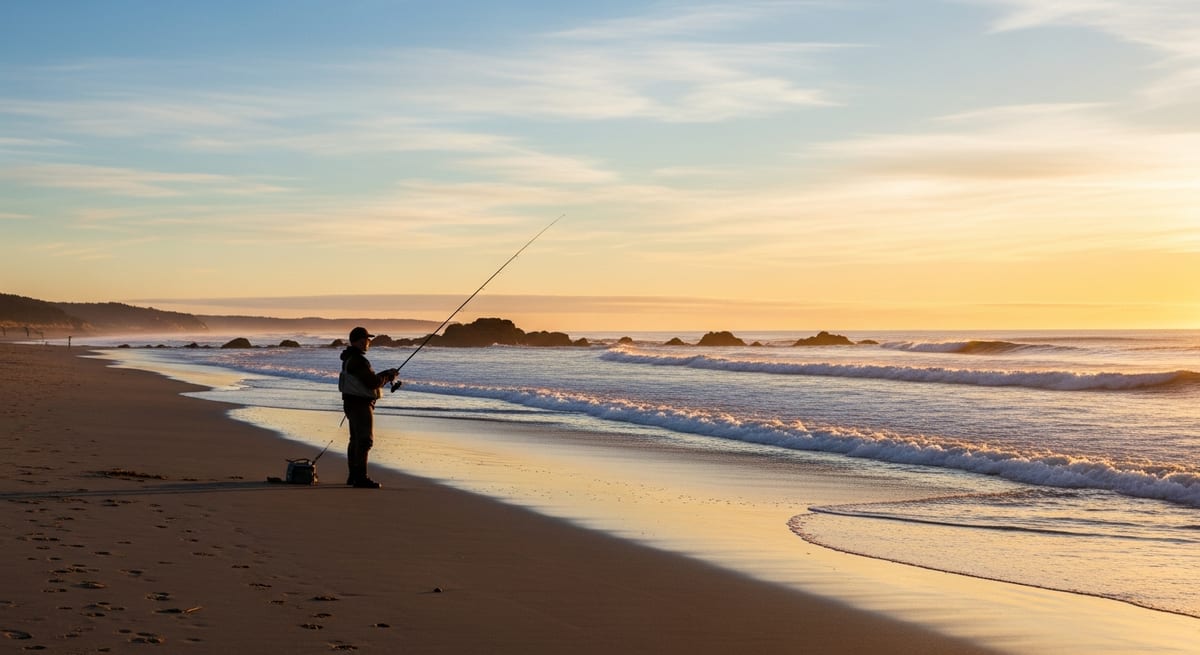
Surf Fishing Connecticut: What You Need to Know
Surf fishing Connecticut is fundamentally different from surf fishing in New Jersey or the Outer Banks. The shoreline is rocky, tidal flows are complex, and the fish are there, but you need to read the water. CT surf fishing is about finding the pockets: the rocky points that create eddies, the creek mouths that funnel baitfish, the sandy cuts between jetties where fluke and bass hold.
The good news: Connecticut has a lot of publicly accessible shoreline. State parks and beaches from Greenwich to Stonington give surf anglers room to spread out, and the fish move along all of it seasonally.
Best CT Surf Fishing Spots
Hammonasset Beach State Park (Madison): The longest publicly accessible beach in CT. Stripers and bluefish work the point and the creek mouth at the western end. Good fluke action along the sandy stretches in summer.
Harkness Memorial State Park (Waterford): Rocky shoreline with good bass and bluefish action, especially at dawn and dusk during the fall run. Parking can be limited.
Bluff Point State Park (Groton): Walk-in only (no cars on the beach), which keeps crowds down. The point produces stripers, bluefish, and scup. Worth the 1.5-mile hike.
Rocky Neck State Park (East Haddam area / Niantic): Sandy beach with a cove. Good for fluke in the channel along the jetty, stripers at dawn.
Seaside Park (Bridgeport): Urban surf fishing with surprisingly good access. The jetties hold bass and bluefish during fall runs.
CT Surf Fishing Species and Seasons
Striped Bass (April-November): The primary target. Spring arrivals start moving through in late April. Peak action is May-June and again September-October. Night fishing is often best during summer.
Bluefish (May-October): Travel with the bunker (menhaden) schools. When blues show up, the action is fast and furious. Watch for surface explosions and birds working the water.
Fluke/Summer Flounder (June-September): More common from sandy beaches and near inlet mouths. Drift a bucktail or Gulp bait along the bottom in the current.
Scup/Porgy (June-September): Great bycatch from rocky areas. Light tackle with a small hook and squid produces reliably.
False Albacore (September-October): Fast-moving schools hit the surf line during the fall run. Light spinning gear with small metals or Clousers is the play.
Surf Fishing Gear for Connecticut
Rod: 9-11 ft medium-heavy surf rod. Longer rods cast farther and handle the rocky shorelines better. Ugly Stik Bigwater or St. Croix Mojo Surf are solid mid-range options.
Reel: 4000-5000 size spinning reel with a smooth drag. Penn Battle III, Shimano Stradic, or Daiwa BG are all proven.
Line: 20-30 lb braided mainline with a 24-36 inch fluorocarbon leader (20-30 lb test). Braid gives sensitivity and casting distance; the fluoro leader reduces bite-offs.
Terminal Tackle:
- For bass/blues: 1-2 oz metal lures (Acme Kastmaster, Hopkins), soft plastic swimbaits, or chunk bait on a fish finder rig
- For fluke: 1-1.5 oz bucktail with Gulp Alive trailer
- For scup: 2-hook hi-lo rig with squid strips
Reading CT Surf Structure
In Connecticut, reading the surf means reading rocks and current, not just waves:
Rocky points: Current breaks around the point and creates an eddy on the downcurrent side. Stripers and bluefish hold in those eddies waiting for baitfish to be swept through.
Creek mouths: Where any freshwater source meets saltwater, baitfish concentrate. Hit these at high tide when stripers follow bait into the shallows.
Rocky flats with sandy channels: Look for sandy cuts running through rocky areas. Fluke lie in these channels; bass hunt the edges.
Jetties: Fish both sides. Bass hold in the current seam between the jetty wall and the main channel. Rocky jetty bases hold tautog and scup.
Dawn and dusk rule: CT surf fishing is most productive at first and last light, especially in summer when midday water temps push fish deeper.
CT Surf Fishing Regulations
Always check the current CT DEEP Marine Fisheries regulations before fishing:
- Striped Bass: Slot limit with one fish per day between 28-35 inches; one fish over 35 inches per day allowed in some seasons. Check current-year rules. These change.
- Bluefish: No minimum size; check current bag limit.
- Fluke/Summer Flounder: Minimum size (typically 18 inches), bag limit of 5 per day.
- Scup/Porgy: Minimum size 9 inches; liberal bag limits.
CT fishing licenses are required for saltwater species for anglers 16 and older. Purchase at DEEP.ct.gov or at authorized license agents statewide.
EVERY SATURDAY MORNING
Weekly fishing intelligence
Nationwide conditions, what's biting, and honest gear deals. One email, no noise.
No spam. Unsubscribe anytime.