
Most CT Boats Troll Too Fast, and the Big Stripers Know It
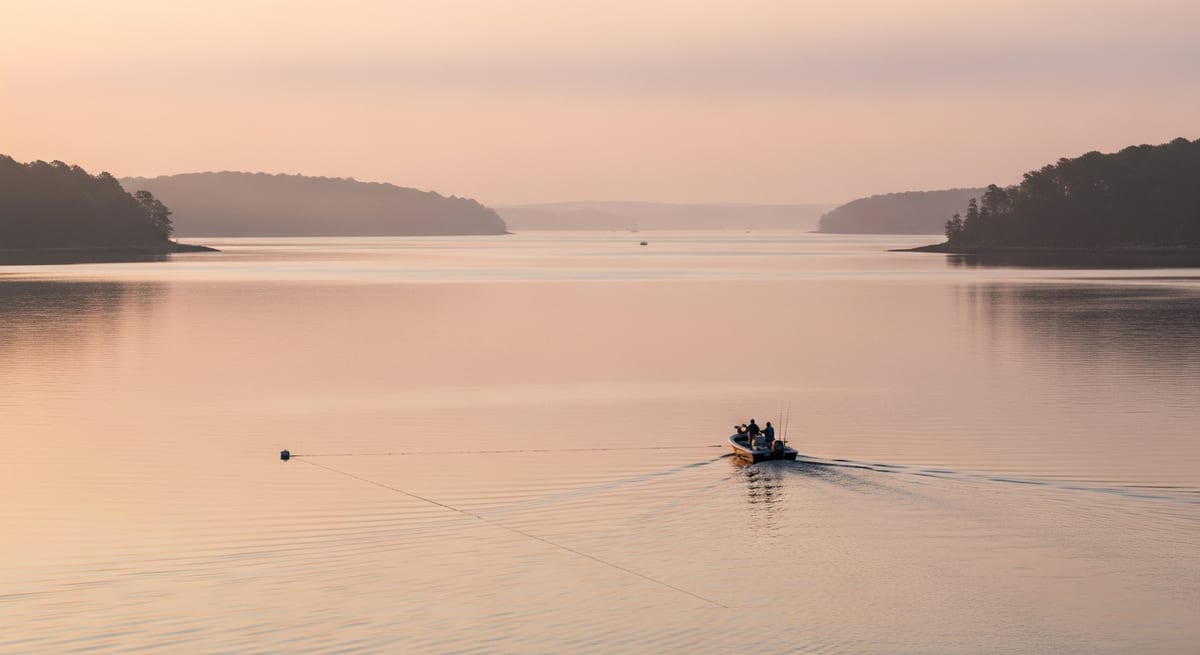
It's common to see boats running wire line through the Race at nearly 5 knots, convinced they're covering water efficiently, while a boat idling past with a bunker spoon barely wobbling does the catching. The reason is simple: CT stripers, especially the bigger ones, don't chase. They eat what drifts past them at a believable speed, and many boats on Long Island Sound are moving too fast to give them the chance. Trolling is still the most systematic way to cover the CT coast for striped bass. You work water methodically instead of picking apart a single spot, and the fish eventually come to you. The coastline from the Race to Bridgeport Harbor can produce big trolling catches, but the approach has real nuance that takes seasons to absorb. Speed matters more than most newcomers realize. So does depth, and so does knowing which window you're actually fishing.
The Two Windows Worth Clearing Your Calendar For
The CT trolling season stretches May through November, but two distinct runs are when fish genuinely concentrate and the action can be exceptional.
Spring run (May-June): These are fish moving northeast along the coast, and they typically show up in eastern CT first. The Race fires up earliest, typically mid-to-late May, when large bass stage in the turbulent current at the eastern end of Long Island Sound. Niantic Bay, New London Harbor, and the Mystic area come online shortly after and stay productive through June. If you can only fish one week in spring, target the middle two weeks of May in eastern CT, then follow the fish west as water temperatures climb.
Fall run (September-November): This is when the bigger bass show up, and it's often the best trolling of the year. Fish moving southwest pile into western CT structure. The Housatonic River mouth off Milford and Stratford, the Norwalk Islands channel systems, and the deeper harbor approaches. October is the month to prioritize. The entire coast can fire simultaneously with a northwest blow and dropping temperatures, which is as good as this fishery gets.
Nighttime trolling often outperforms daytime during summer, especially July and August when fish push deeper. Post-sunset through midnight is peak activity in warm-water months. A stretch of water that goes blank during the day can produce multiple fish in the first 45 minutes after dark.
A Proven Four-Rod Spread, and Why the Fourth Rod Is the Money Rod
Most trolling setups on CT charter boats run a four-rod spread, and it's a solid framework to build from. Two rods go on the outriggers, running 80-100 feet back with spoons or umbrella rigs. A flat-line rod trails about 50 feet back with a soft-plastic shad or swimmer. The fourth rod, the one many anglers underfish, runs a planer or downrigger to target depth.
That fourth rod matters because stripers in CT often suspend well below the surface. In comfortable water temperatures you might find them in the top 15-25 feet. Once summer heat sets in, fish push to 20-40 feet or deeper, and if you're only running surface gear, you're fishing over them all day.
Wire line: CT has a long tradition of running single-strand stainless wire, and it earns its reputation. The depth you achieve depends on how much you let out. Many local captains run anywhere from 100 to 300 feet depending on target depth and current strength, though you'll dial in the right amount through experience and feel. It takes some getting used to, but the depth control is real.
Speed: The most common mistake among anglers new to trolling CT waters is running too fast. Bunker spoons and umbrella rigs typically perform best in the 2.5-3.5 knot range. Swimbaits and soft plastics can handle a little more, often 3.5-5 knots, but err toward the slower end until you're marking fish or getting strikes. When in doubt, slow down.
What to Tie On and What to Leave in the Bag
Bunker spoons: This is the lure to reach for first on any CT trolling trip. Large wobbling spoons, drone and Tony Maja are the names you'll hear on every dock from Stonington to Westport, imitate menhaden at a speed stripers find convincing. Run them 100 feet or more back on wire line. Many CT trollers count them among the most productive lures for bigger fish.
Umbrella rigs: Multiple-arm rigs loaded with 4-9 soft-plastic shads can be absolutely deadly on schooling bass. They're bulky and tedious to store, but on the right day nothing else comes close. Check current CT regulations on arm limits before rigging them for tournament use. The rules have changed before.
Soft-plastic shads (9-12 inch): Rigged on a 2-3 oz jig head and trolled on light wire or monofilament. Keitech, Hogy, and Tsunami all make versions that work. Chartreuse/white and bunker/olive are solid starting colors. They're a good choice when an umbrella rig is too much hardware for a tighter spread.
Parachute jigs: An old New England standby that still catches fish. A heavy lead head with a tube or bucktail skirt, white or yellow are the standards, trolled on wire holds depth and pulses with real vibration. If someone tells you parachute jigs are old-fashioned, they haven't fished the Race in May.
Plugs and swimmers: Bomber Long A, Yo-Zuri Mag Darter, and similar hard-bodies catch fish trolled at slightly higher speeds. They need more attention to depth management than spoons or jigs, but they're worth having in the box when fish are busting on or near the surface.
Where to Find Fish Along the CT Coast
CT has no shortage of trolling water, but some spots consistently produce more than others, and a few only reveal their pattern after enough blank days.
The Race: This one is genuinely world-class. The rips at the eastern end of Long Island Sound concentrate bait and bass in a way few other spots on the coast match. Work the edges of the rips, where fast water meets the slower margin, rather than blasting through the center. Bass stage in the transition zone, not in the full turbulence. It's a lesson that can take seasons to internalize.
Fishers Island Sound: The western end near New London and Groton has excellent rocky structure, deep channel breaks, and current lines that hold fish well into early summer. Less boat traffic than the Race most mornings, which is a real advantage.
Housatonic River mouth (Milford/Stratford): Fall fishing here can be exceptional. As water temperatures drop through October, fish stack at the river mouth and along the main channel edges. Boulder fields west of the mouth are worth working multiple angles before moving on.
Norwalk Islands: A maze of channels, rock piles, and current rips. Trolling runs here can be productive from late May through October, and the area fishes differently on every tide. It rewards patience and repeated visits more than most spots on the Sound.
Connecticut River mouth: Worth targeting in spring as a staging area. Work the current seams off Old Lyme and the deeper approach channels as fish arrive on their northeast migration.
What Your Fishfinder Is Actually Showing You
Modern fishfinders can tell you a lot, if you know what you're looking at. A common early mistake is staring at the screen waiting for arches in open water instead of reading the broader picture.
Bait first, fish second: Stripers follow menhaden. When you see a dense bait cloud at 20 feet with marks below or around it, make passes through and under that school rather than hunting arches in featureless water. The bait is the indicator. A unit showing dense bait with no arches underneath is still worth trolling; the fish may simply be spread out beneath the school.
Temperature breaks: Even a degree or two of temperature difference across a short stretch of water can be enough to concentrate fish. Stripers often hold on the cooler side of a thermal transition. You don't need to obsess over exact numbers, but pay attention to where your surface temp reading is shifting and troll along that transition line rather than across it randomly.
Bottom reading: In spring and fall, bass frequently relate to bottom structure in 20-40 feet of water. Rocky ledges and submerged boulder fields show up clearly on a quality unit, and those are features worth trolling along the edge of, not directly over.
Mark your waypoints: Give every fish you catch a waypoint. Every promising bait mark gets a waypoint. By the end of a season, those saved points tell you more about where fish consistently stage than anything else. They're the real map.
EVERY SATURDAY MORNING
Weekly fishing intelligence
Nationwide conditions, what's biting, and honest gear deals. One email, no noise.
No spam. Unsubscribe anytime.