
How to Catch Stocked Trout: A Complete Guide for New England Anglers
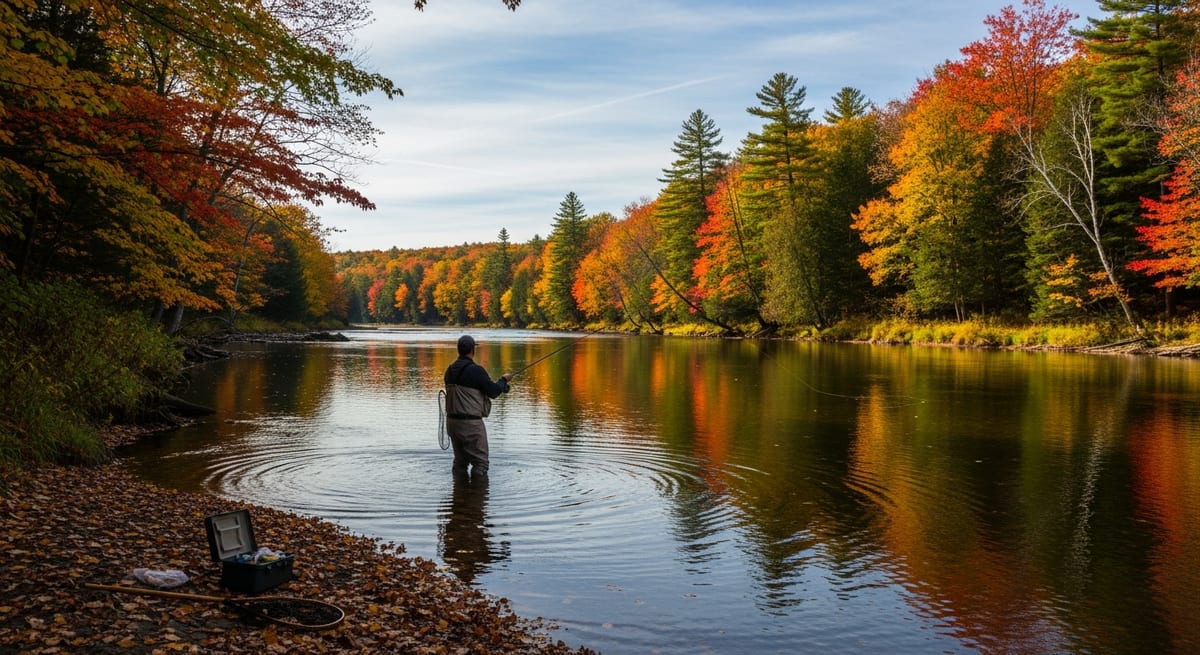
Trout stocking is one of the most accessible forms of fishing in Connecticut. The CT DEEP stocks hundreds of thousands of rainbow, brown, and brook trout each spring into rivers, streams, and lakes across the state. Opening day of trout season is a genuine cultural event in CT, thousands of anglers hit the water. But stocked trout fishing has a learning curve, and most beginners don't catch fish on opening weekend. This guide fixes that.
Understanding CT Trout Stocking
Connecticut's stocking program is extensive and publicly available. The CT DEEP publishes weekly stocking reports online showing exactly which waters were stocked, with what species, and in what quantities. This information is gold, use it. Stocked waters receive trout periodically from late March through May (spring stocking) and again October through November (fall stocking). Waters designated as year-round trout management areas may receive additional summer stocking. Rainbow trout are the most commonly stocked species, fast-growing, willing to bite, and widely adaptable. Brown trout are also stocked and tend to be more wary and harder to catch. Brook trout are stocked in smaller quantities in more remote streams. Fresh stocked fish are easier to catch. Within the first few days of a stocking, trout haven't been pressured and will hit almost any reasonable presentation. After a week of heavy fishing pressure, surviving fish become significantly more selective. Plan to fish within 2-3 days of a stocking report for the easiest action.
Essential Gear for Stocked Trout
Trout fishing gear doesn't need to be complicated or expensive. A light spinning rod (6-7 feet, ultra-light to light power) with a matching 2500-size spinning reel is the standard setup. Load it with 4-6 lb monofilament or light fluorocarbon. Why light line? Trout in clear water can see heavy line and will refuse lures or bait attached to it. 4-6 lb test is strong enough for any stocked trout you'll encounter in CT while remaining invisible enough not to spook fish. Hooks: For bait fishing, use small hooks (size 8-12) tied on a small egg sinker rig or a simple hook-and-bobber setup. Circle hooks work beautifully with PowerBait, let the fish take the bait and the circle hook sets itself. Terminal tackle: A small snap swivel allows quick lure changes. A selection of tiny split shot sinkers for adding weight when needed. Bobbers (floats) for suspending bait at the right depth.
Best Baits for Stocked Trout
Stocked trout are raised in hatcheries on pelleted food, which creates a distinct feeding imprint. Several baits and lures capitalize on this. PowerBait: Berkley's PowerBait Trout dough in chartreuse, rainbow, or garlic scent is the single most effective bait for newly stocked hatchery trout. The scent profile mimics hatchery pellets in ways that natural bait doesn't. Rig it on a size 10-12 treble hook with a small egg sinker upstream (fish-finder rig). Roll a small pea-sized ball on the hook and let it float off the bottom. Corn: Sweet corn is a sleeper trout bait. It's yellow (similar to pellets), has a sweet scent, and works on stocked fish. Thread a kernel or two on a small hook under a bobber. Plain corn from a can works fine. Nightcrawlers: Live or fresh nightcrawlers work on trout in all situations. Cut the worm into smaller pieces for small hooks and small-mouthed brook trout. Fish a small piece under a bobber or on a sliding egg sinker rig on the bottom. Rooster Tail spinners: A 1/16 or 1/8 oz inline spinner in gold, silver, or rainbow colors is the best lure for stocked trout. Cast across the current and retrieve steadily. The flash and vibration triggers feeding responses.
Finding Trout After Stocking
Freshly stocked trout often hold in predictable locations. Stocking trucks typically release fish at the same access points, road crossings, bridge pools, and developed public areas. Fish often hold near where they were released initially. Deep pools: Trout naturally seek the deepest part of a pool after release. They feel exposed in shallow water and orient toward depth. In rivers, fish the deeper holes rather than the shallow riffles immediately after stocking. Current edges: Trout that have been in the water a few days begin to behave more naturally, holding at current edges and seams. As the week progresses, shift from the deep holes to current seam fishing. Morning and evening: Trout are most active during cooler parts of the day, early morning and late afternoon are the highest-activity periods. Avoid fishing midday in summer when temperatures peak. Shade: In warm weather, trout seek cooler, shaded sections. Wooded stretches, north-facing banks, and spring seeps hold trout in summer temperatures.
Trout Regulations in Connecticut
Connecticut trout regulations have multiple complexity layers, know them before you fish. License requirement: All anglers 16 and older require a CT fishing license. Trout Fishing Stamp required (additional stamp included with most license packages). Statewide general regulations: 8-inch minimum size, 5 fish daily creel limit. But many waters have special regulations that override these. Special regulations waters: Numerous CT streams are designated as Catch and Release Only, Size Limit Only (12-inch minimum), or have Fly Fishing Only designations. Always check the specific water you're fishing at ct.gov/deep before you go. Trout Park program: CT has designated Trout Parks (Quinebaug Valley State Fish Hatchery Pond, etc.) with higher fees but heavily stocked, premium fishing. Season: Statewide opening day for inland trout typically falls in the second Saturday of April. Some waters open year-round. Always check the current-year regulation digest, regulations change annually.
CT Trout Fishing Access Points
Connecticut has excellent public trout fishing access statewide. Key rivers and streams: Farmington River (Canton/Hartland sections), heavily stocked, excellent trout river, multiple access points. Shetucket River (Windham/Norwich), less-pressured eastern CT fishing. Quinebaug River (Putnam area), excellent spring stocking, accessible. Salmon River (East Haddam), designated trout management area, special regulations apply. Lakes: Lake Lillinonah (Newtown/Bridgewater), large stocked lake. Quaddick Reservoir (Thompson), reliable spring trout fishing. Black Pond (Meriden), stocked, convenient central CT access. Trout Parks: Quinebaug Valley Trout Park (Plainfield) and other pay-to-fish state parks offer heavily stocked premium fishing for a day fee, ideal for families and beginners. Check CT DEEP's online stocking report weekly during the season, updated Wednesdays with the prior week's stocking activity.
EVERY SATURDAY MORNING
Weekly fishing intelligence
Nationwide conditions, what's biting, and honest gear deals. One email, no noise.
No spam. Unsubscribe anytime.