
Winter Fishing in Connecticut: What's Biting and Where When Nothing Else Is Open
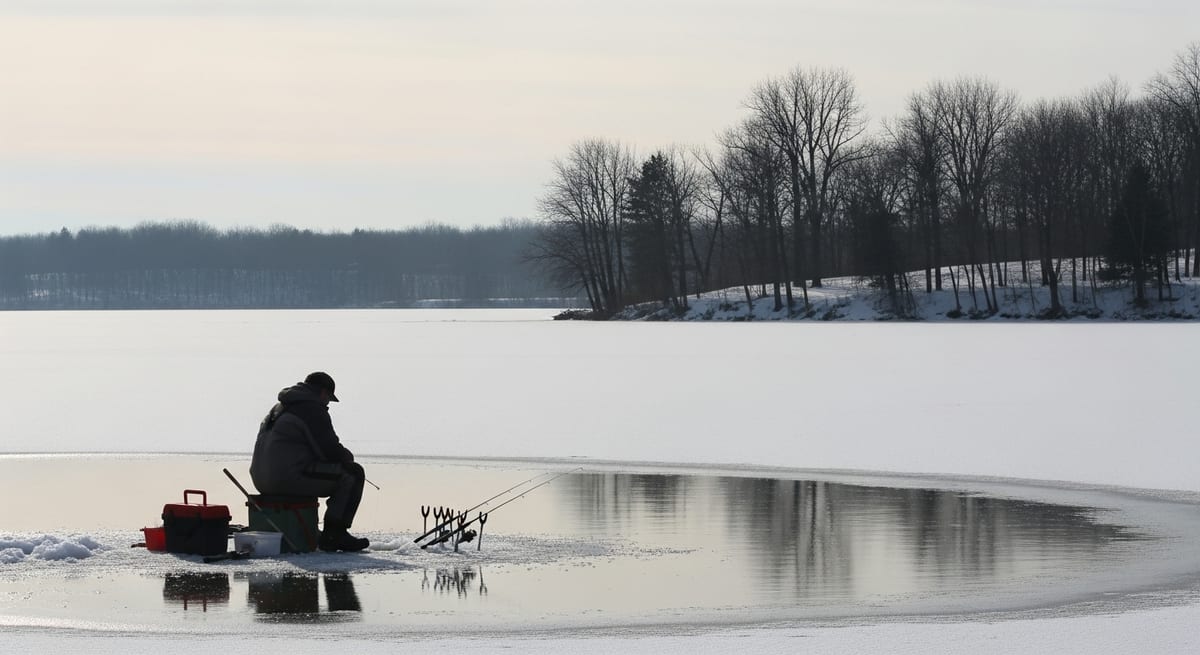
Connecticut's fishing doesn't hibernate in winter. It just concentrates. The angler who knows where to look in January finds accessible, willing fish that receive far less pressure than summer species. Tautog bite through December, trout streams fish well all winter, ice fishing peaks in February, and some of the best trout fishing of the year happens when everyone else stays home.
Tautog (Blackfish), november Through December
The fall tautog season in Connecticut runs into December in most years, giving dedicated anglers excellent late-season action. As water temperatures drop from 58°F to below 50°F, tautog move deeper (30-60 feet) but continue to feed if you find them. Best late season areas: offshore boulder fields and rocky structure in 35-55 feet across Long Island Sound. The Housatonic River mouth, the reefs off Branford, and the structure off New Haven continue to hold fish. Bait: green crabs continue to work in late season. As water cools further, cut Asian shore crab and clam strips sometimes outperform whole crabs. Gear: heavy conventional or spinning, 20-30 lb braid, wire leader, heavy dropper rig. Tautog in cold water are less active. They pick up bait gently rather than the aggressive strikes of fall's peak season. Wait longer before setting the hook.
Winter Trout on Connecticut Rivers
Wild brown trout and holdover rainbow trout in Connecticut rivers feed throughout the winter. The Farmington River and Housatonic TMA are the premier CT winter trout destinations. What changes in winter: fish concentrate in the slowest, deepest pools. They feed intermittently rather than actively rising or chasing. Sub-surface presentations work best. Blue-Winged Olive hatches occur on milder winter days (40°F+), small BWOs (size 18-22) will bring fish to the surface on surprisingly cold, overcast days. Best presentations: deep nymphing with weighted flies (bead-head Pheasant Tail, Copper John, midge larva patterns). Swing wet flies through runs. Slow swung streamer on a sink-tip line in pools. Leader: 5X or 6X tippet. Fish are leader-shy in clear winter water. Tactics require patience, winter trout fishing is not fast. But a 20-inch brown trout in February, when no one else is on the water, is worth the cold.
Ice Fishing, january and February
Connecticut gets sufficient ice for fishing in most winters, typically from mid-January through early March depending on temperatures. Primary ice fishing target in CT: yellow perch (most abundant and reliable), chain pickerel (aggressive and widespread), brown bullhead (slower in cold but present), and stocked trout in deeper lakes. Ice safety reminder: minimum 4 inches of clear ice for a single angler. Never trust ice uniformly, check thickness at multiple points. First check of the season should be done with a spud (ice chisel) before committing full body weight. CT ice fishing regulations allow 6 lines total per angler. Standard tip-up and jigging approach for perch and pickerel. See our full ice fishing guide for complete CT ice fishing information.
Saltwater: Late-Season Striper Fishing
The striper season officially runs into December in Connecticut. Late-season fish (November-December) are big fish on their way south. The last migrants of the season are often among the largest of the year. Small groups of dedicated surf casters target these fish at specific structural locations where staging fish concentrate. Prime late-season striper spots in CT: the Race and Plum Gut (tidal rip continues to hold fish), Niantic Bay area (staging fish before final push south), Black Point rocky shoreline. Effective presentations: large soft plastics on heavy jig heads (1.5-2 oz), large bucktail jigs, live eels fished very slowly in cold water. Water below 48°F: fish metabolize slowly and won't chase. Presentations need to be extremely slow and deliberate.
Planning and Safety for Winter Fishing
Cold-weather fishing requires preparation that summer fishing doesn't. Layering: base layer (moisture-wicking), mid layer (fleece or down), outer layer (waterproof and windproof). Hands and feet are the limiting factors, quality neoprene gloves or fingerless gloves with lobster claw mittens, and insulated waterproof boots. On ice: buddy system and ice picks (always). On river: waders and wading boots, never neoprene in swift current. Falling in cold water: if you're wading in winter, immersion is a serious emergency. A wading belt prevents immediate water flooding into waders. Hypothermia sets in faster than most anglers expect in 35-40°F water. Tell someone where you're going. Have dry clothes in the car.
Equipment and Gear for Winter Fishing
Standard spinning gear works for most winter applications. For winter trout: ultralight, 4-6 lb fluorocarbon, visibility matters in clear winter conditions. For tautog: same heavy saltwater setup as fall. For ice fishing: ice fishing specific gear (jigging rods, tip-ups). Monofilament in extreme cold (below 20°F) loses flexibility, quality fluorocarbon or braid handles cold better. Line guides ice up at sustained sub-30°F temperatures. Use a silicon spray or guide ice-off spray. Check your guides frequently and clear ice buildup before it prevents the line from moving freely. Rod guides: ceramic or silicon carbide guides ice less than others, relevant for dedicated winter anglers.
EVERY SATURDAY MORNING
Weekly fishing intelligence
Nationwide conditions, what's biting, and honest gear deals. One email, no noise.
No spam. Unsubscribe anytime.