
Beginner's Guide to Fishing in Connecticut: How to Start, What to Get, and Where to Go
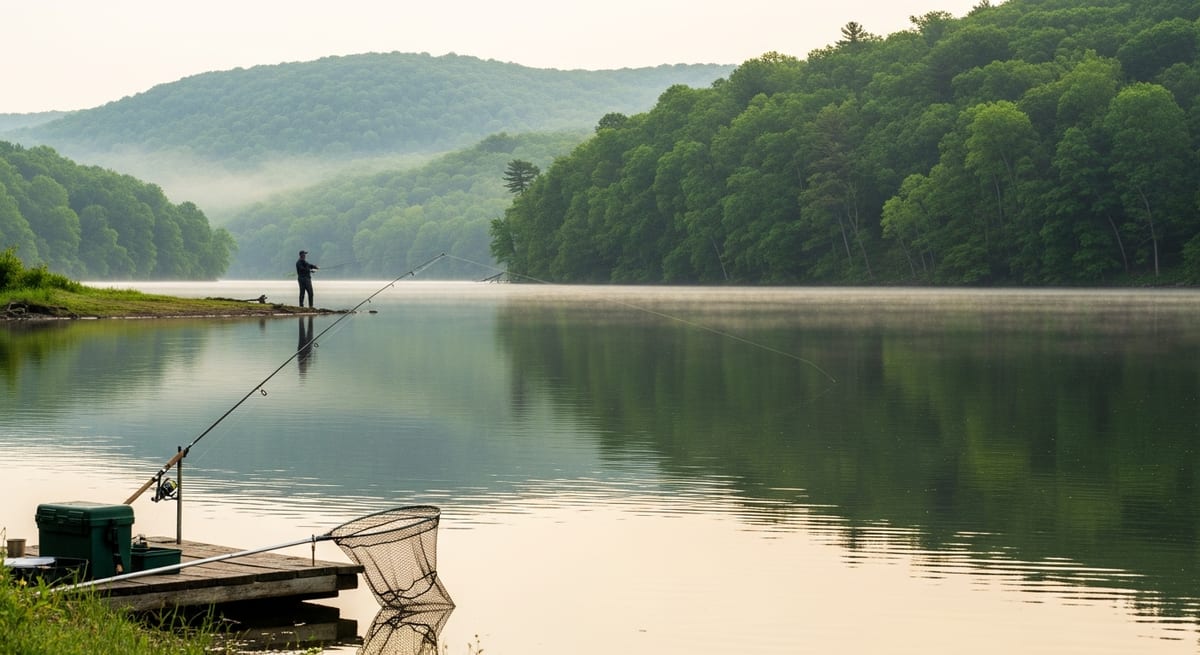
Fishing is one of the most accessible outdoor hobbies there is. The barrier to entry is genuinely low. You don't need expensive gear or expert knowledge to catch your first fish in Connecticut. You need a license, a basic spinning setup, some bait, and a local pond. Here's exactly how to get started.
Step 1: Get Your Connecticut Fishing License
A Connecticut fishing license is required for anyone 16 or older fishing in CT freshwater or saltwater. The fastest way to get one:
Online: ct.gov/deep or through the DEEP portal. You can purchase and print a license in minutes. Keep the digital receipt on your phone until the physical license arrives.
License vendors: Most sporting goods stores (Dick's, Cabela's, Bass Pro), bait shops, and many tackle stores are licensed CT DEEP license agents. You can walk in and purchase a license on the spot.
Cost (2026 approximate):
- Resident fishing license: ~$19/year
- 1-day resident license: ~$8
- Junior license (under 16): Free, but anglers 15 and under must have a free junior license
What the license covers: All freshwater fishing in CT. A separate free saltwater license registration is required for saltwater fishing, register at ct.gov/deep. Both are free for residents under 16 and seniors 65+.
Step 2: Basic Gear, what You Actually Need
You don't need much to start catching fish. The essential kit:
Rod and reel combo: Buy a combo (rod and reel sold together) rather than separately. A 6-foot medium-light spinning combo in the $30-$50 range is ideal for most CT beginner fishing. The Ugly Stik GX2 and Zebco Spinning Combo are both reliable entry points. Avoid the very cheapest combos ($15 and under). They feel terrible and often malfunction.
Line: The combo will likely come with line already on the reel. If not, or to replace old line, spool with 8 lb monofilament (clear or yellow). Monofilament is forgiving and easy for beginners to manage.
Terminal tackle starter kit:
- Size 8 and 10 bait hooks (Eagle Claw or Owner)
- Assorted split shot sinkers (small bb-sized weights)
- Small bobbers (red/white plastic floats)
- One small tackle box to keep everything organized
Bait: For Connecticut beginners, nightcrawlers (earthworms) are the simplest and most effective all-purpose bait. Available at any bait shop, sporting goods store, or even Walmart. A container of nightcrawlers costs $4-6 and will last an afternoon of fishing.
Total starter budget: $40-$60 gets you everything you need to catch fish on your first trip.
Best Beginner Species in Connecticut
Beginners should target species that are abundant, forgiving, and fun to catch before moving to more challenging targets:
Bluegill and sunfish (panfish): The perfect beginner fish. Present in virtually every CT lake, pond, and slow-moving river. Catch them under a bobber with a tiny piece of nightcrawler. They bite readily, fight nicely for their size, and are great for kids. There's no size or bag limit in most CT waters.
Yellow perch: School fish that bite aggressively. Common in most CT lakes. Yellow perch are excellent table fare and will hit small jigs, worms under a bobber, and small spinners. They're a great year-round target including ice fishing.
Chain pickerel: A toothy, aggressive fish in most CT ponds and slow rivers. Pickerel chase spinners, small swimbaits, and live minnows. They're not as difficult to catch as bass but provide more of a fight than panfish. Excellent eating. Minimum size 15 inches in CT.
Stocked rainbow trout: CT DEEP stocks trout in many rivers, streams, and designated ponds from spring through fall. Fresh-stocked trout are some of the easiest fish to catch, salmon eggs, PowerBait, and small spinners all produce. A list of stocking locations is on the CT DEEP website.
Best Beginner Locations in Connecticut
Ponds and lakes with good panfish and bass:
- Coventry Lake (Coventry): Accessible, stocked, good panfish and bass
- Black Pond (Meriden): Good perch and panfish population, accessible shore fishing
- Lake Zoar (Monroe/Oxford): Largemouth bass and panfish, multiple access points
- Bantam Lake (Litchfield): Largest natural lake in CT, good variety
Trout streams (spring stocking):
- Farmington River: Stocked multiple times per season; walk-in access throughout the valley
- Salmon River (Colchester): Beautiful stream, well-stocked, multiple access points
- Jeremy River (Colchester area): Quieter alternative, good for beginners
All of these locations have public access. CT DEEP maintains a list of public boat launches and fishing access areas at ct.gov/deep. The CT Fishing app (free) shows stocking records and access points for every water body in the state.
Simple Setup for Your First Trip
Thread a small piece of nightcrawler (1 inch) onto a size 8 hook. Clip a small bobber 2-3 feet above the hook. Attach a small split-shot sinker about 6 inches above the hook to keep the bait down. Cast to the edge of aquatic vegetation (lily pads, reeds), near dock pilings, or over rocky bottom in 4-8 feet of water. Wait. When the bobber dips or moves sideways, lift the rod tip firmly to set the hook.
That's it. That rig catches panfish, perch, and trout all day long. Once you're comfortable with that, you can graduate to artificial lures, which require more skill but expand what you can catch.
One more thing: Keep expectations realistic on your first trip. Some days the fish bite readily; other days are slow. Experienced anglers have slow days too. The pace and the setting are worth the trip regardless of catch.
EVERY SATURDAY MORNING
Weekly fishing intelligence
Nationwide conditions, what's biting, and honest gear deals. One email, no noise.
No spam. Unsubscribe anytime.