
Fishing with Kids: How to Make the First Trip a Success
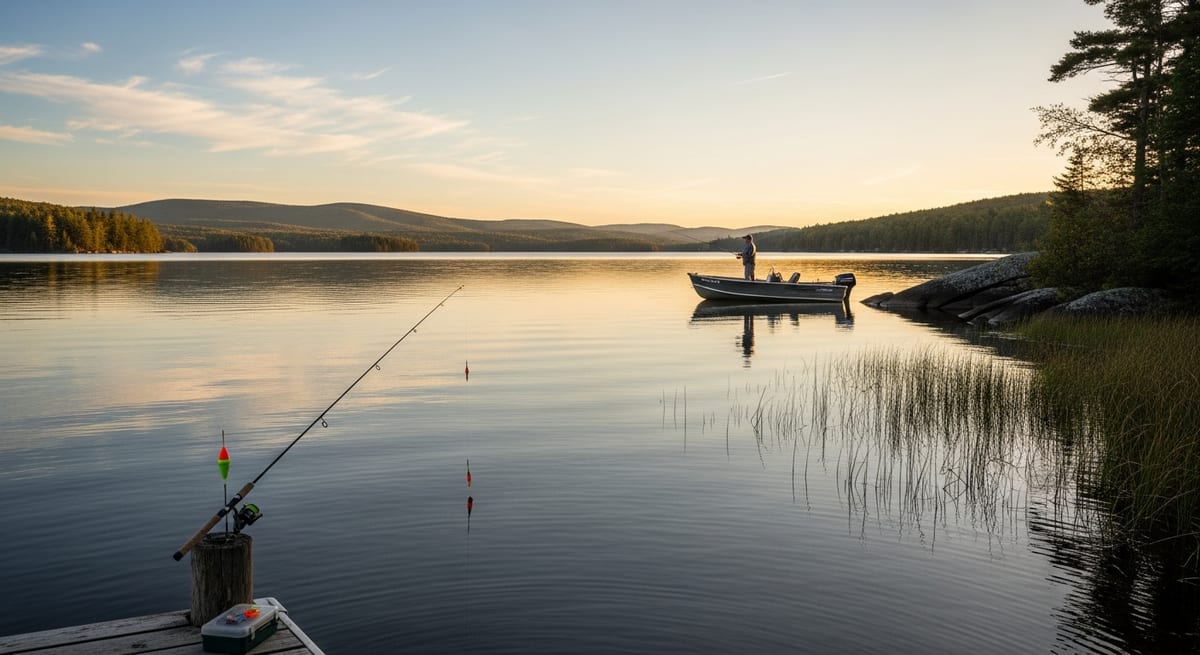
The first fishing experience determines whether a child becomes a lifelong angler or someone who 'tried fishing once.' The pressure to get it right is real, but the formula is simple: go somewhere with lots of biting fish, keep it fun over keeping it serious, and celebrate every catch no matter how small. This guide is for parents, grandparents, and anyone taking a child fishing for the first time.
Choosing the Right Location
Location is the most important variable in kids' fishing success. The target: panfish-dense water with easy shore access. Bluegill, pumpkinseed sunfish, and perch bite aggressively and frequently. A child who catches fish every 5 minutes will want to come back. A child who gets one bite in 3 hours probably won't. Best CT kids' fishing locations: CT State Parks with stocked ponds: Many CT state parks have accessible fishing ponds within easy walking distance of parking. Osbornedale State Park (Derby) has a small, productive pond. American Legion State Forest (Barkhamsted) has a beautiful trout stream section. Chatfield Hollow State Park (Killingworth) has excellent shore access. Town-accessible ponds: Most CT towns have at least one public access pond with panfish populations. These are often underutilized and surprisingly productive. CT Trout Parks: For slightly older kids (7+), a CT Trout Park offers heavily stocked water with guaranteed catch opportunities. A daily fee applies but the high-density fish population means nearly constant action. Key requirements: Easy shoreline access (no steep banks or thick brush), clean bottom to cast without constant snagging, presence of panfish (ask local bait shops if they know the species in the water before going).
Gear for Kids
Kid-specific fishing gear matters, adult tackle is too heavy, complicated, and frustrating for small hands. Spincast combo: For ages 5-10, a spincast (Zebco 33-style) combo is better than a spinning reel. The push-button operation is simple, backlashes are minimal, and the closed-face design is durable. Spinning combo: For ages 10+ or more coordinated younger kids, a light spinning combo is appropriate and teaches proper fishing technique. Open-face spinning reels have more learning curve but much better performance. Zebco 33 Kids' Combo: The standard recommendation, inexpensive, reliable, and sized for small hands. Available at Walmart and Dick's for $20-30. Line: Pre-spooled with 6 lb mono from the factory is fine. No need to change. Hook size: Smaller hooks (size 8-10) are appropriate for small-mouthed sunfish. Larger hooks that look impressive to adults will be too big for the majority of fish biting. Bobbers: Bright red-and-white spring-snap bobbers are clear and easy to see, critical for kids who need immediate visual feedback on bites. Extra supplies: Hooks, bobbers, and sinkers get lost constantly. Bring 3x what you think you'll need. Kids lose gear; that's part of the learning.
Rigging and Baiting for Kids
Adults should handle the initial rigging, kids get frustrated with knot-tying, especially in the excitement of getting to the water. Your job: have the rig ready when you arrive. Basic kids' rig: Bobber on the line 2-3 feet above the hook. Split shot sinker 6 inches above the hook. Size 8 hook. Nightcrawler (small piece: 1 inch) threaded on the hook. Set up a complete spare rod so you can hand a child a ready rig when they inevitably lose a hook. Baiting the hook: Let kids bait their own hook as they get comfortable (ages 7-8+). Younger kids may need help. Have the worm container accessible. Teach them to pinch off a small piece of worm rather than threading the entire worm. This teaches them that less is more with bait, and reduces bait consumption. Casting: Kids' first casts will be short and often sideways. That's fine. Focus on safe casting (rod behind, not swinging at anyone), and any distance is a success. Encourage, don't correct repeatedly. They'll improve quickly once they get their first fish on.
Managing Expectations and Attention
Managing the adult's expectations is as important as managing the child's. A 6-year-old has a 20-30 minute attention window for any activity that doesn't produce constant stimulation. Plan accordingly. Bringing non-fishing activities: Snacks, drinks, a small net to catch crawdads in the shallows, secondary activities extend the trip beyond the fishing window. A child who caught 3 sunfish and then spent 20 minutes catching crawdads has had a full, positive outdoor experience. Celebrating everything: A 4-inch sunfish on a kids' combo is an INCREDIBLE fish that deserves genuine enthusiasm. If you're bored by small fish, don't show it. The child is experiencing something magical for the first time. Common frustration points: First cast hits a branch (happened to everyone, fix it calmly). Hook comes out of the fish mouth during landing (normal, explain it and recast). Worm falls off the hook (rebait calmly). Bobber gets tangled in a lily pad (recast to open water). Duration: Plan for 1-2 hours maximum for under-8. Plan your exit before the child is bored, not after, ending on a high note is everything for wanting to come back.
What to Do After the First Trip
The trip is the beginning of a relationship, not a one-time event. Following up correctly cements the positive experience. Talk about it: Ask specific questions about what they liked. 'What was your favorite fish?' 'Did you like putting the worm on the hook?' Understanding what engaged them helps you plan the next trip. Plan the next trip quickly: Strike while the excitement is fresh. A second trip within 2 weeks reinforces the positive experience before the novelty fades. Consider equipment investment: If a child shows genuine interest, age-appropriate gear (a decent spinning combo vs. a toy-quality setup) is a reasonable investment. Zebco Kid Kits and entry Ugly Stik Combos are appropriate upgrades after initial success. Conservation messaging: Age-appropriate conservation discussion should come naturally, 'We're going to let this one go so it can grow bigger.' No lectures, just modeling. Fish handling: Let kids touch and handle fish they catch, even if it's slightly scary at first. The tactile experience of holding a living fish is part of what creates lasting memories. Take photos of kids with their catches. These become cherished family artifacts.
EVERY SATURDAY MORNING
Weekly fishing intelligence
Nationwide conditions, what's biting, and honest gear deals. One email, no noise.
No spam. Unsubscribe anytime.