
CT Panfish Anglers at Hopeville Pond, East Twin Lake, and the Connecticut River Tidal Zone Report Yellow Perch Schools and White Perch Runs Fill a Gap the Bass Calendar Leaves Behind, what DEEP 2025-2026 Freshwater Regulations, Creel Survey Data, and the CT Light-Tackle Community Reveal About Perch, Bluegill, and Sunfish on Ultralight Gear
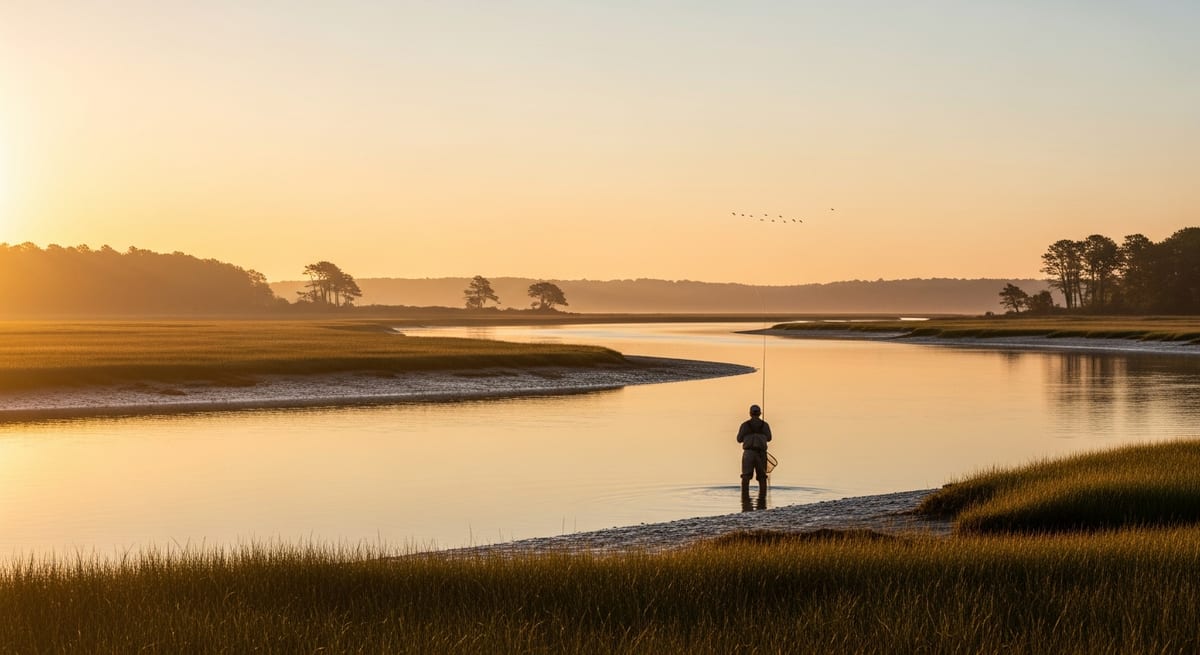
Yellow perch out of Hopeville Pond and East Twin Lake regularly run 8 to 10 inches. A size class that consistently surprises anglers who associate CT panfishing with hand-sized scraps. CT DEEP electrofishing surveys of major warmwater lakes document high densities of bluegill, yellow perch, and pumpkinseed across most public-access ponds and reservoirs statewide. Anglers working the Connecticut River tidal zone between Old Saybrook and Middletown report April and May white perch runs strong enough to draw dedicated light-tackle crowds who plan their calendar around them specifically. Panfish, bluegill, yellow perch, pumpkinseed, white perch, and rock bass, represent a different kind of CT fishery than bass or striper. The 2025-2026 DEEP freshwater fishing regulations (available at ct.gov/deep) set daily bag and possession limits for sunfish and perch separately; anglers intending to harvest should review those numbers before the first outing of the season. On ultralight gear rated 2-6 lb, a bull bluegill over half a pound or a 10-inch yellow perch produces the kind of sustained fight that resets expectations about small fish on light tackle.
The CT Panfish Roster, and Which Species DEEP Surveys Actually Document
Bluegill (Lepomis macrochirus): The most widespread sunfish in CT warmwater lakes and ponds. CT DEEP electrofishing surveys find bluegill in virtually every public-access warmwater body in the state. Deep-bodied, with a distinctive dark earflap and faint vertical bars. Concentrates at weed edges and dock structures from late spring through early fall.
Pumpkinseed (Lepomis gibbosus): A native CT sunfish, slightly smaller and more colorful than bluegill, with an orange-red spot at the tip of the earflap. DEEP survey data shows pumpkinseed tending toward shallower, weedier conditions than bluegill. Often found mixed with bluegill on the same structure, fishing approach is nearly identical.
Yellow perch (Perca flavescens): More torpedo-shaped than sunfish, with distinctive vertical stripes and yellow-green coloration. Found in most CT lakes and many rivers. Schools throughout the water column, near surface in early morning, suspending near the thermocline in summer, and dropping toward bottom in fall. Community reports from CT fishing forums consistently identify yellow perch as the best-tasting freshwater fish in the state.
Rock bass: Mottled brown with distinctive red eyes. Associates strongly with rocky substrate and submerged wood. Common in CT rivers and along rocky lake shores. Often caught alongside bass on the same blowdown or rock-pile structure.
White perch: A semi-anadromous species found in CT coastal rivers and tidal areas, biologically closer to striped bass than to yellow perch. Schools in tidal rivers, particularly the Connecticut River and Housatonic River, provide outstanding light-tackle fishing in April and May. Not a true perch despite the name.
Note on redear sunfish: occasionally documented in isolated CT waters, but redear are primarily a southeastern US species and do not appear as a commonly established species in CT DEEP freshwater surveys of public lakes. Anglers targeting CT panfish should not expect to encounter them.
Where Perch Schools Stack Up, Bluegill Bed, and White Perch Run: CT Seasonal Location Breakdown
Panfish location in CT follows habitat features anglers can identify visually, but the timing of each pattern matters as much as the structure.
Bluegill and pumpkinseed spawning flats (late May through July): Anglers at Lake Saltonstall (Branford/East Haven) and Coventry Lake (Lake Wangumbaug, Coventry) report that bluegill move to 1-4 foot sandy or gravel flats for spawning in late May, peaking around Memorial Day in most years. Circular nest depressions become visible on calm days from the bank. Multiple fish are often visible per bed. This is the most concentrated shallow panfish pattern of the year.
Weed edges through summer: The outside edge of aquatic vegetation, lily pads, milfoil, pondweed, holds bluegill and pumpkinseed throughout summer. Community reports from CT shore anglers consistently point to the transition between firm and soft bottom near weed edges as more productive than the open-water side during midday heat. Shade under docks concentrates sunfish at mid-depth from July through August.
Yellow perch schools (spring and fall): Perch are more nomadic than sunfish. At Hopeville Pond (Griswold) and East Twin Lake (Winchester), anglers report perch schools moving shallower in fall than most general guides suggest, often found in 8-15 feet in September and October, particularly over sandy transitions adjacent to rock. In spring, perch commonly feed near bottom in 10-20 feet. The pattern CT perch anglers consistently describe: once you catch one, drop back to the exact same depth immediately. The school is right there.
Tidal river white perch (April through May): The Connecticut River tidal zone and the Housatonic River's tidal sections hold white perch runs in spring. Anglers launching from the DEEP-maintained access at Haddam Meadows State Park (Connecticut River) and the Shelton area ramp (lower Housatonic) report white perch concentrations in April and May that produce consistent action on small jigs and spinners in the brackish transition zone.
The Ultralight Setup CT Shore Anglers Use for Panfish
Light tackle is not optional for CT panfish. It is the difference between a fish that produces a genuine fight and one that simply gets reeled in. Community-reported setups from CT panfish anglers converge on a narrow range of gear.
Rod: A 5-6 foot ultralight spinning rod rated 2-6 lb, with a soft tip that telegraphs the take from small fish. Mid-range ultralight rods from Ugly Stik, St. Croix, and similar manufacturers in the $40-80 range perform as well as premium alternatives for panfish, per consistent community reports from CT pier and shore anglers.
Reel: Ultralight spinning reel, size 1000-2500, spooled with 4-6 lb monofilament or fluorocarbon. Mono is often preferred for float rigs. It holds a knot cleanly and the thicker diameter is easier to manage at the float. Fluorocarbon works well for jig presentations where low visibility matters more.
Hooks: Size 8-12 wire hooks for bait. Aberdeen-style light wire hooks hold worms and waxworms well and are easier to back out of small fish, important when fishing with kids or releasing fish quickly.
Float rigs: A small spring-loaded or slip bobber set 18-24 inches above a baited size 10 hook remains the most widely used panfish rig in CT, per tackle forums and CT fishing community reports. Slip bobbers allow depth adjustment without re-rigging, cT anglers targeting perch at variable fall depths often prefer them for that flexibility.
What the CT Panfish Community Puts on the Hook
Both natural bait and small artificials work reliably on CT panfish. Community reports from CT light-tackle anglers point to a few proven options that consistently outperform the alternatives.
Nightcrawlers: The standard bait across CT waters. Most experienced CT panfish anglers cut a nightcrawler into thirds, one piece per hook, rather than threading a whole worm, which produces more missed strikes as fish take the free end without hitting the point. Size 10 hook, piece threaded with the point exposed.
Waxworms: Effective for ultralight presentations, particularly in cooler water. Available at most CT bait shops. Two to three waxworms on a size 10-12 hook is the common CT setup, especially for fall perch fishing.
Crickets: Live crickets are a productive panfish bait that CT anglers note is often underused relative to their effectiveness. Harder to source than nightcrawlers but available at some bait shops during summer. Particularly effective for bluegill fished under a float near the surface.
Small inline spinners: A size 0 or 1 Mepps Aglia or Blue Fox Vibrax retrieved slowly through weed edges and along docks is a consistently productive CT panfish lure. Community reports rate spinners as especially reliable for yellow perch and rock bass, retrieve speed matters, and slower than most anglers naturally go is the consensus correction.
Small jigs under a float: A 1/32 to 1/16 oz ball jig tipped with a small grub or Gulp Minnow body and fished under a bobber is the preferred cold-water panfish rig among CT anglers who fish fall and early winter. When surface temperature drops and panfish slow their response to moving baits, a dead-drifted jig at depth outperforms.
Fly fishing: Panfish on a 3-weight fly rod with a small foam popper or nymph is, per CT fly fishing community reports, among the most accessible entry points to fly fishing in the state. Bluegill at CT ponds aggressively take surface poppers from late May through August. The near-guaranteed strikes and light gear make it a practical teaching platform for new fly anglers.
Shore-Access CT Panfish Spots and What the 2025-2026 Regulations Allow on Harvest
CT offers public shore access to panfish water in every county. The following spots have produced consistent community-sourced reports and provide accessible starting points.
Hopeville Pond (Griswold): One of the more frequently cited yellow perch spots in eastern CT. DEEP maintains a boat ramp and shore fishing access. Anglers report perch schooling in 8-15 feet in fall, with consistent shore action from the ramp area. Also holds bluegill and pumpkinseed along vegetated shorelines in summer.
Lake Saltonstall (Branford/East Haven): Shore-access panfish fishing with documented bluegill and pumpkinseed populations per DEEP survey data. Multiple shore fishing areas maintained by the MDC. Consistently cited in CT family fishing community discussions as one of the more approachable New Haven-area panfish spots.
Crystal Lake (Ellington): Community reports from CT panfish anglers describe reliable yellow perch and bluegill fishing from shore, particularly along the northern access. A frequently recommended eastern CT alternative when Hopeville Pond is crowded.
Patriot's Park pond (Glastonbury): A small, accessible pond suited for young anglers and first-trip outings. Shallow, clear water makes weed-edge structure visible and approachable from the bank.
Connecticut River tidal access (Haddam Meadows State Park): DEEP-maintained access for white perch fishing in April and May. Community reports from spring tidal-river anglers describe productive sessions in the brackish transition zone on small jigs and spinners during the run.
2025-2026 Regulations: The current DEEP 2025-2026 freshwater fishing regulations set daily bag limits for sunfish (bluegill, pumpkinseed, and related species) and yellow perch. There is no minimum size limit for most CT panfish, but daily bag and possession limits apply, check the DEEP regulation booklet at ct.gov/deep for current numbers before harvesting. White perch in tidal CT waters fall under separate saltwater regulation language; consult the DEEP 2025-2026 marine regulations for tidal-water rules. A valid CT fishing license is required for anglers 16 and older.
EVERY SATURDAY MORNING
Weekly fishing intelligence
Nationwide conditions, what's biting, and honest gear deals. One email, no noise.
No spam. Unsubscribe anytime.