
Striped Bass Migration and Spawning: Understanding the Biology to Catch More Fish
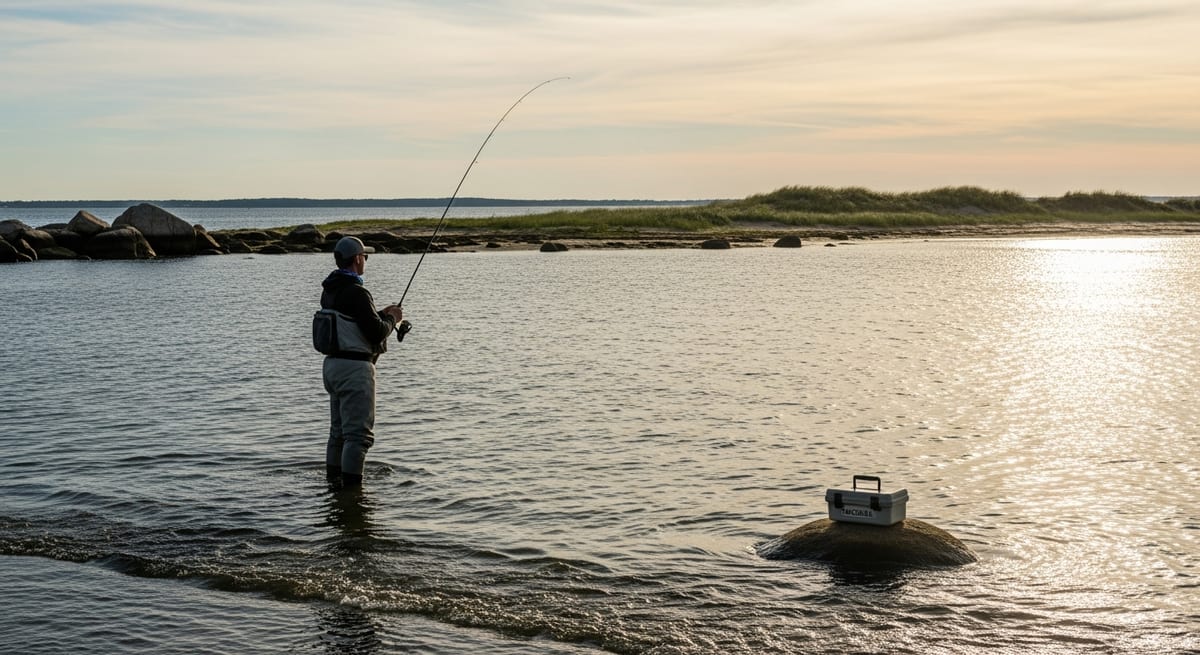
Striped bass are remarkable fish. They're born in freshwater rivers (primarily the Chesapeake Bay and Hudson River), grow to maturity in coastal estuaries, then spend their adult lives migrating along the East Coast, from the Chesapeake Bay north in spring to New England and Canada in summer, then back south in fall. Connecticut sits exactly in the middle of this migration corridor, and understanding the seasonal movements is the foundation of productive CT striper fishing.
The Life Cycle of a Striped Bass
Striped bass are anadromous fish. They live in saltwater but spawn in freshwater. Spawning occurs in large river systems, primarily the Chesapeake Bay tributaries (Susquehanna, Potomac rivers) and the Hudson River. The Connecticut River once supported a significant striper spawning run before dams blocked access in the 1800s; restoration efforts continue.
Eggs are broadcast into the current and drift downstream to estuaries where juveniles spend 2-4 years growing before migrating to coastal waters. Females grow larger than males. The trophy 40+ pound fish are nearly all females. Male stripers (called 'rock' in some regions) rarely exceed 15 pounds.
Most of the striped bass encountered by CT anglers were born in the Chesapeake Bay system. The largest striped bass spawning run on the East Coast.
Spring Migration to CT Waters
Striped bass begin moving north from their winter grounds (primarily the Chesapeake Bay and offshore areas south of Cape Hatteras) in early spring, driven by warming water temperatures and the approach of spawning season. They spawn in their natal rivers in April-May when water temperatures reach 60-68 degrees F.
Post-spawn fish begin arriving in Connecticut waters in late April and peak in May. These fish are post-spawn and hungry, after expending significant energy on spawning, they feed aggressively on spring baitfish (shad, herring, menhaden, sand eels) to rebuild condition.
The Connecticut River mouth at Old Saybrook is one of the first areas to receive significant spring striper concentrations. The River's spring outflow of fresh, slightly warmer water creates a temperature break that concentrates baitfish and stripers. May and early June represent the best 'numbers' fishing of the year for CT shore anglers. Fish are aggressive and present in large numbers.
Summer Distribution in Long Island Sound
Through summer, stripers distribute throughout Long Island Sound and offshore. Larger fish (25+ pounds) tend to push to cooler, deeper water or move further northeast, connecticut anglers in midsummer often encounter more 'schoolie' fish (under 28 inches) than the trophy-size fish of spring and fall.
Exceptions: Night fishing on tidal rips, the Race (the current between Fishers Island and the mainland), and cooler rocky shorelines holds larger fish through summer. Wading anglers who fish dawn and dusk during July and August can still encounter quality fish, particularly around river mouths and rocky structure that provides cool water and bait concentration.
Bait matters in summer: menhaden (bunker), sand eels, and juvenile bluefish are the primary forage. Match the dominant baitfish in your area, live bunker near the surface when bunker schools are visible, sand eel imitations when you see birds diving on small bait.
Fall Migration South. The Best Fishing of the Year
The fall migration is widely considered the best striper fishing of the year. As water temperatures drop below 60 degrees F in September and October, stripers begin moving south and feed aggressively to build energy reserves for the long migration and winter. Fish that were cautious and deep in summer move shallow and become aggressive in fall.
The fall run begins in Maine and New Hampshire in September, passes through Massachusetts and Rhode Island in September-October, peaks in Connecticut in October-November, and continues south through winter. On some years, the peak in western Long Island Sound occurs as late as November or even December before cold weather finally pushes fish south.
Fall fishing tactics: surf casting at night with large swimmers (Bomber, Yo-Zuri Crystal Minnow), chunking with fresh menhaden on bottom in channels and rips, and working the Race for trophy fish. The largest stripers of the year are typically caught during the fall run.
Conservation and Striped Bass Management
Striped bass populations have fluctuated dramatically through history. They were severely depleted in the 1970s-80s, recovered through a coastal moratorium and stock rebuilding program, peaked in the early 2000s, and have declined again since 2010. As of 2024, striped bass are considered overfished by NOAA with spawning stock biomass below target levels.
Current regulations: The federal striped bass management plan has enacted significant harvest reductions. Connecticut follows the Atlantic States Marine Fisheries Commission regulations. Current size and bag limits change periodically, verify current regulations through CT DEEP before fishing.
What you can do: Catch and release, particularly during spawning season (May-June) and for fish over 35 inches (the reproductive trophy-class fish). Use circle hooks with natural bait to reduce gut-hooking mortality. Handle fish carefully, wet hands, support the fish horizontally, minimize air exposure. Report regulatory violations to CT DEEP.
EVERY SATURDAY MORNING
Weekly fishing intelligence
Nationwide conditions, what's biting, and honest gear deals. One email, no noise.
No spam. Unsubscribe anytime.